Theory & Writing

Flows

Travel

Skills

Theory & Writing

The theory & writing programme is supervised by Anne Hoogewoning.
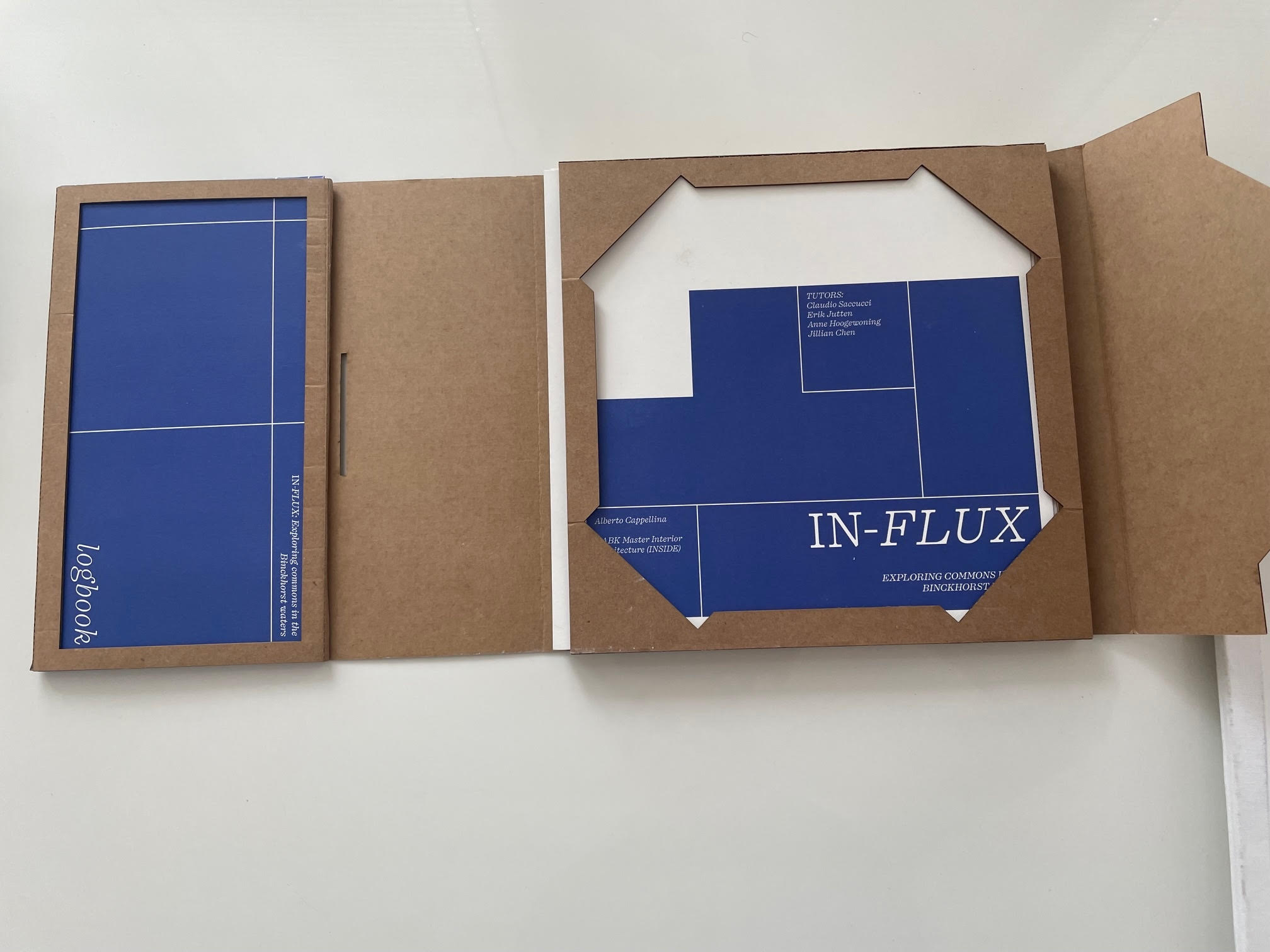
book_design_example_1
book_design_example_2
book_design_example_3
book_design_example_4
book_design_example_5
book_design_example_6

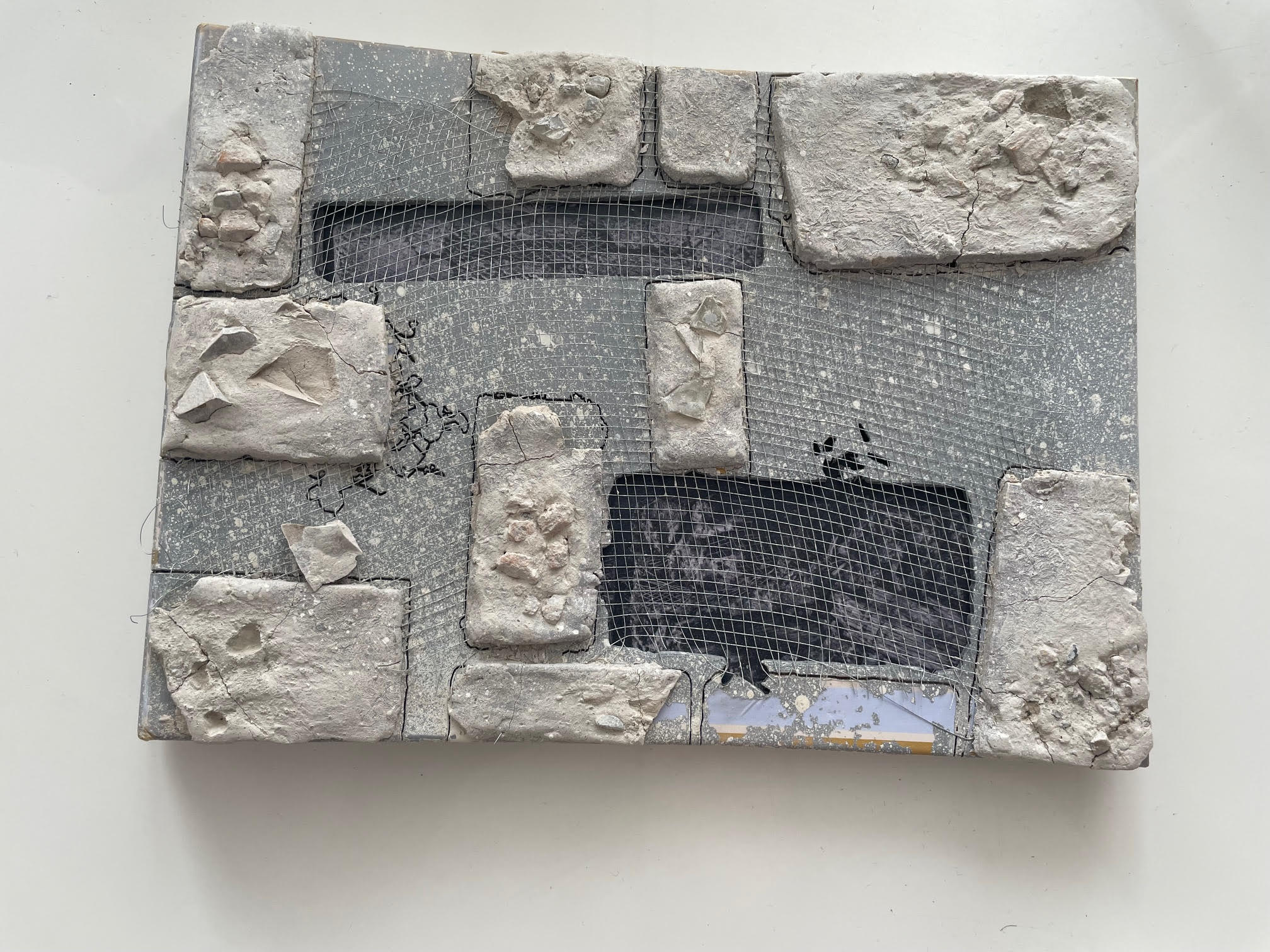
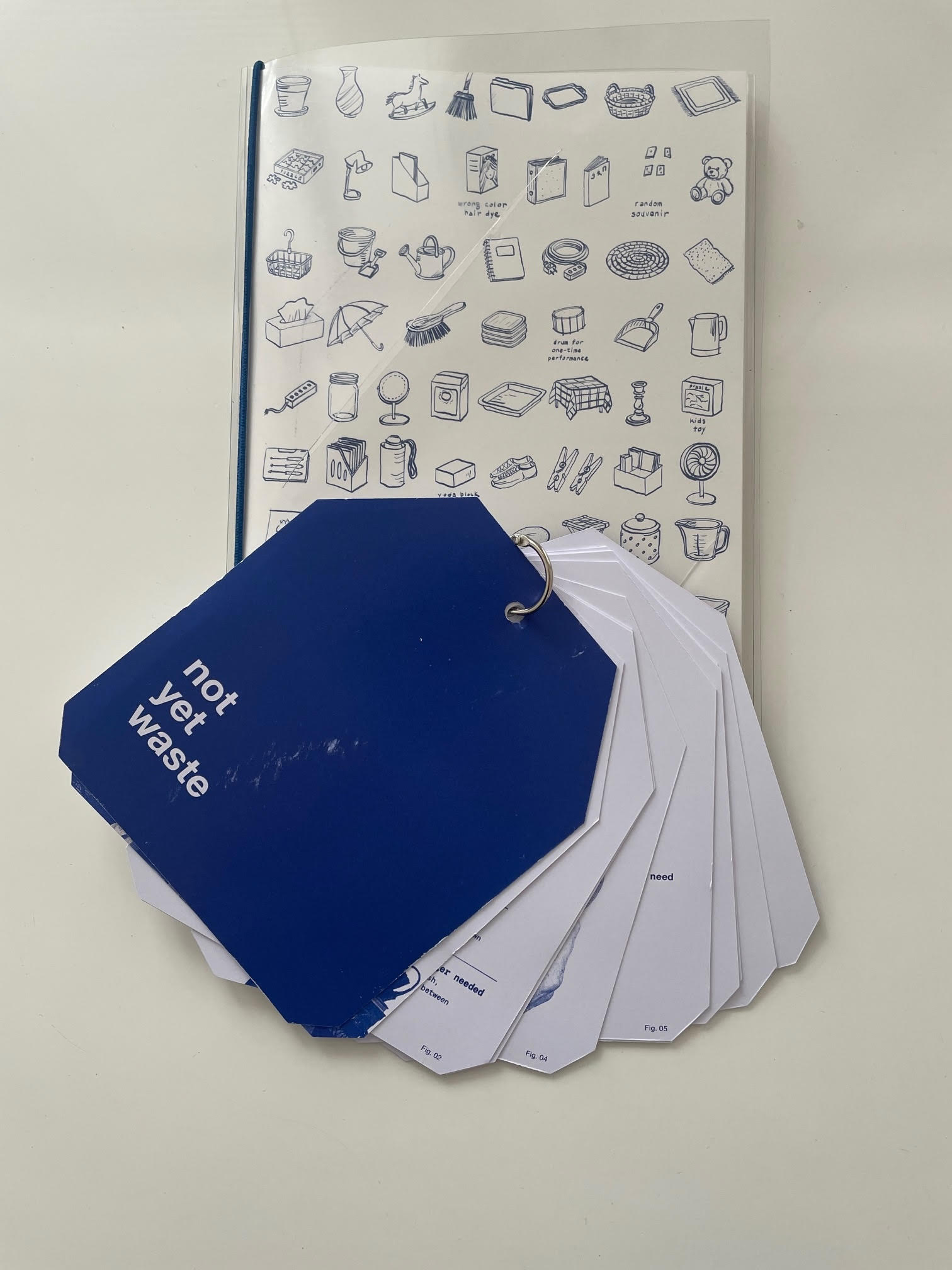
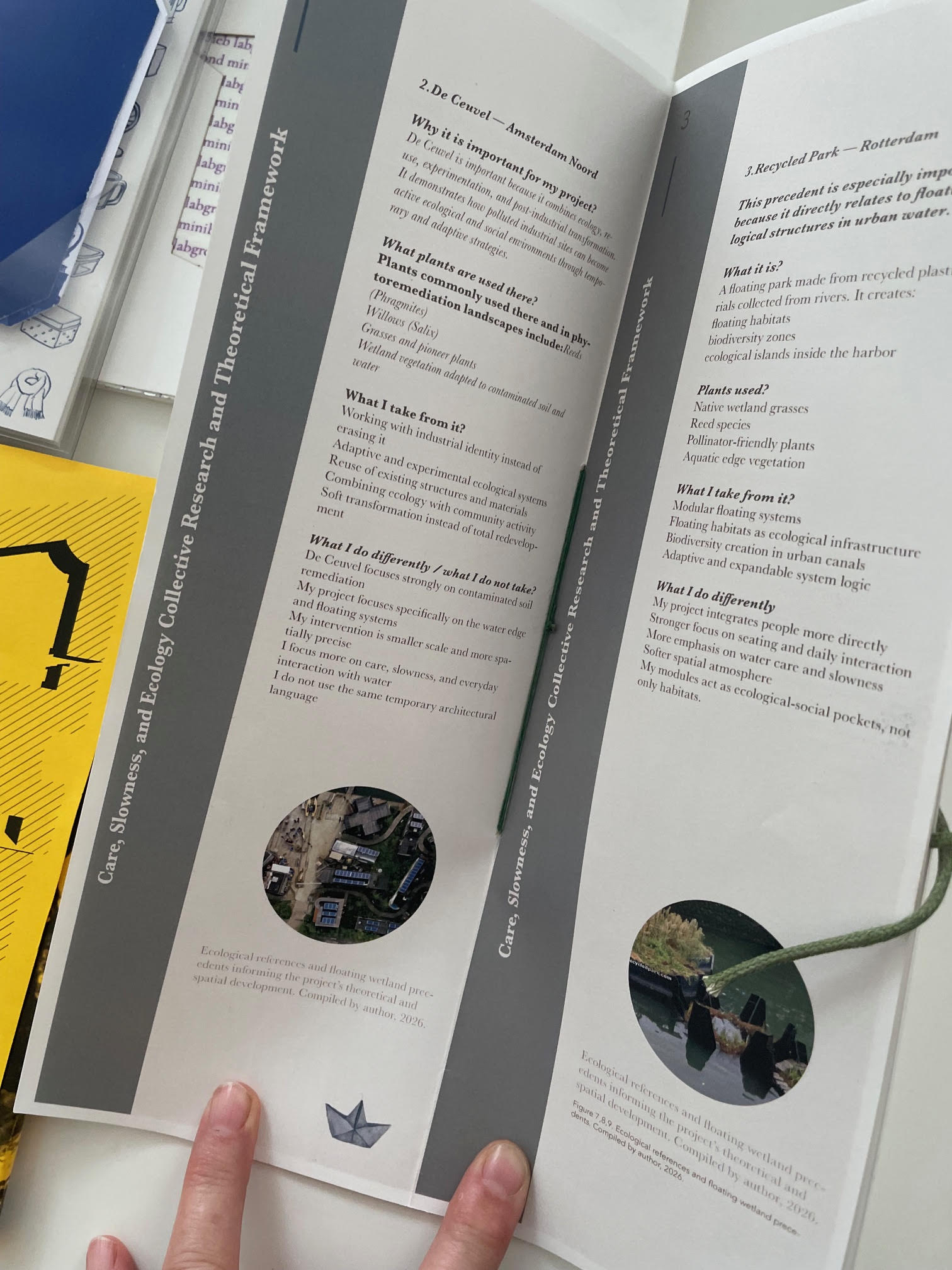
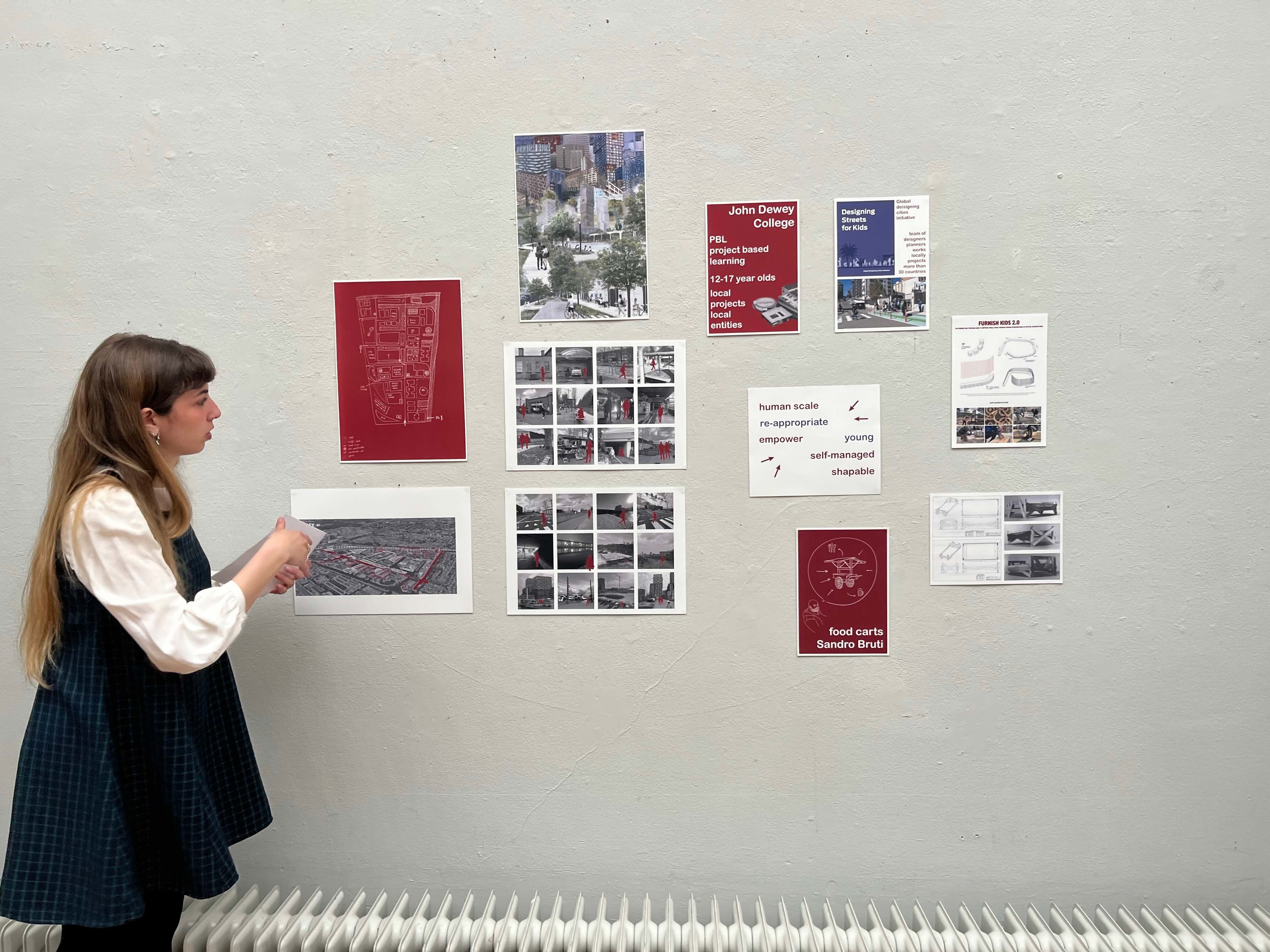
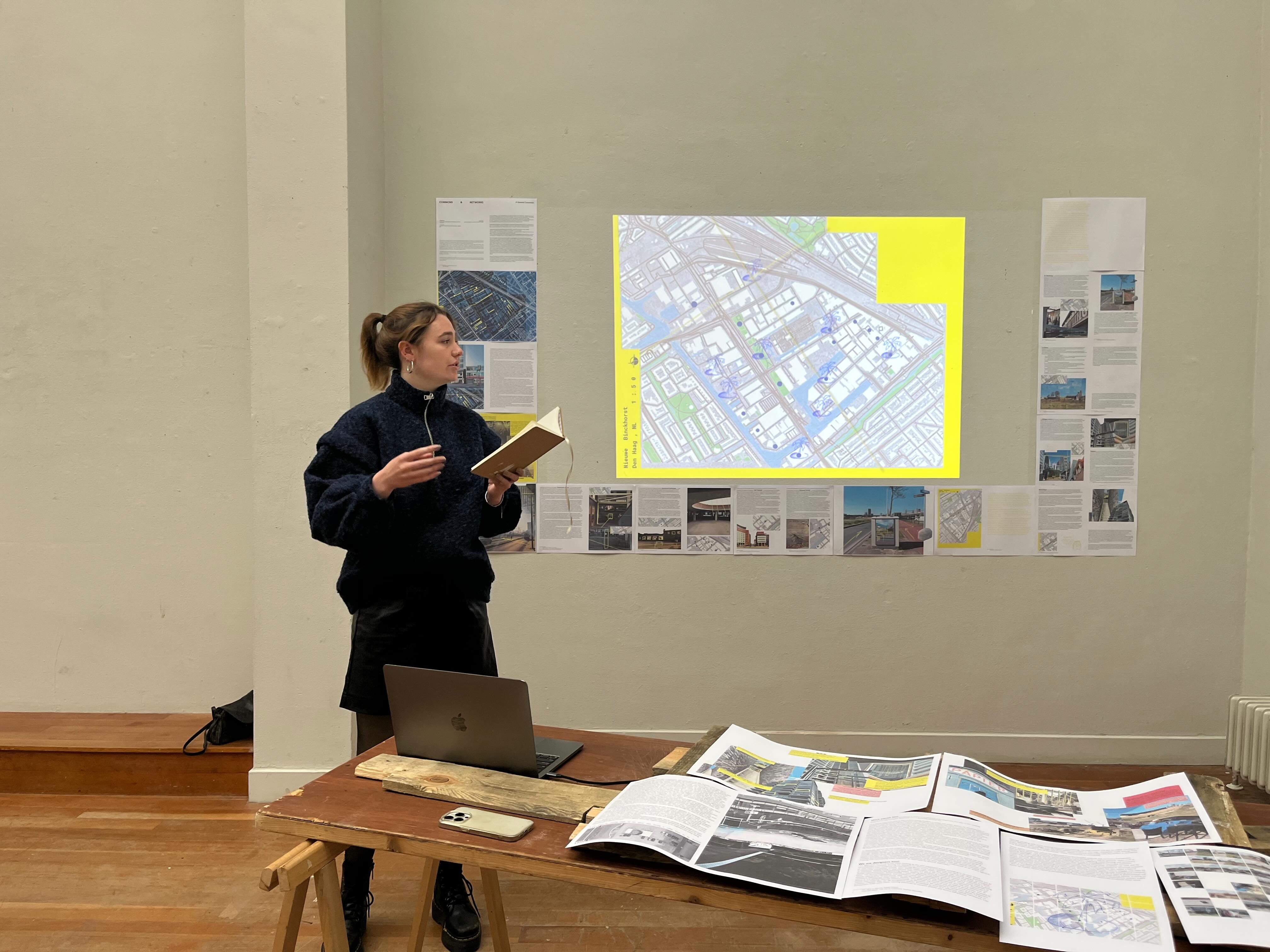
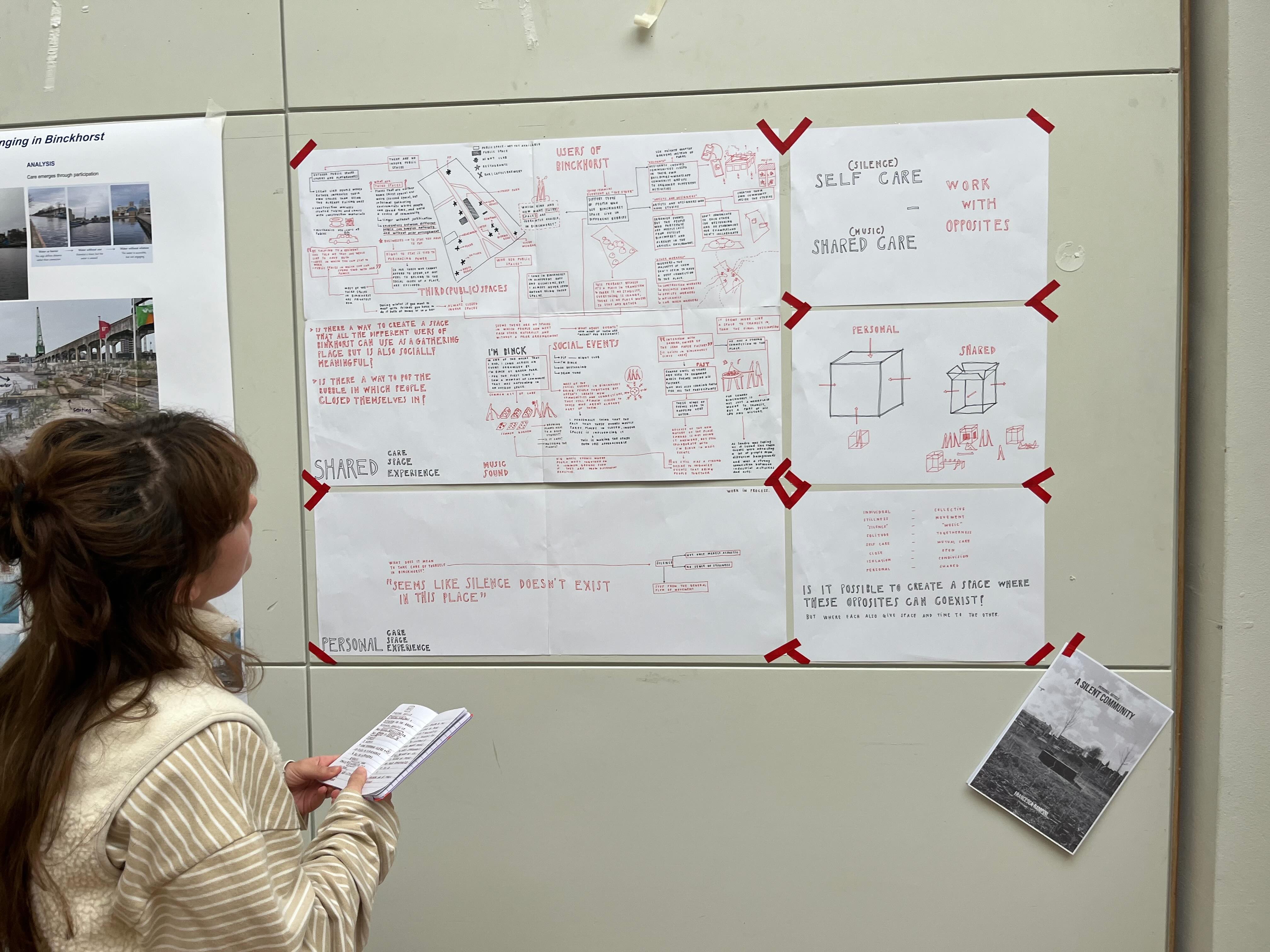
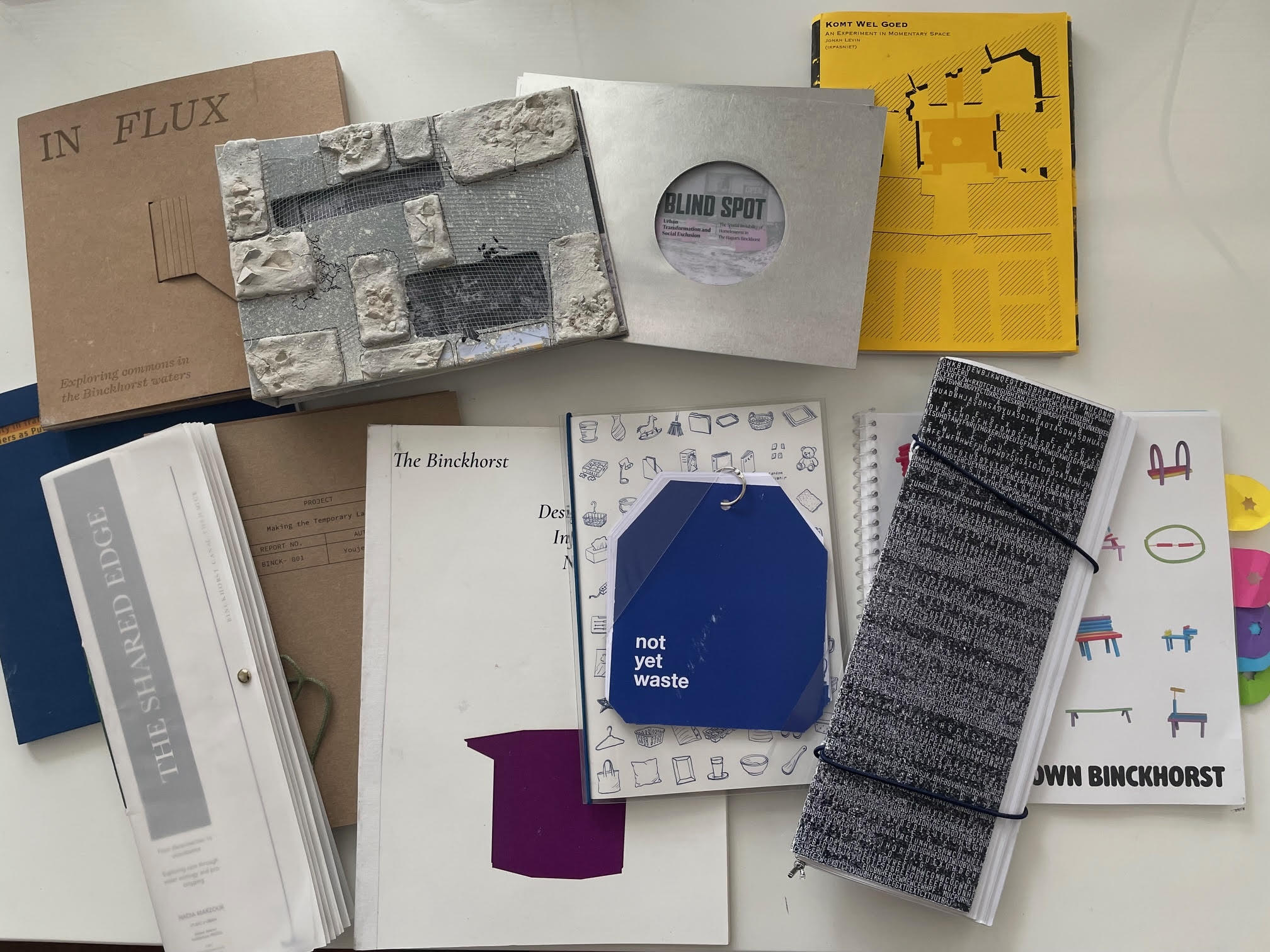
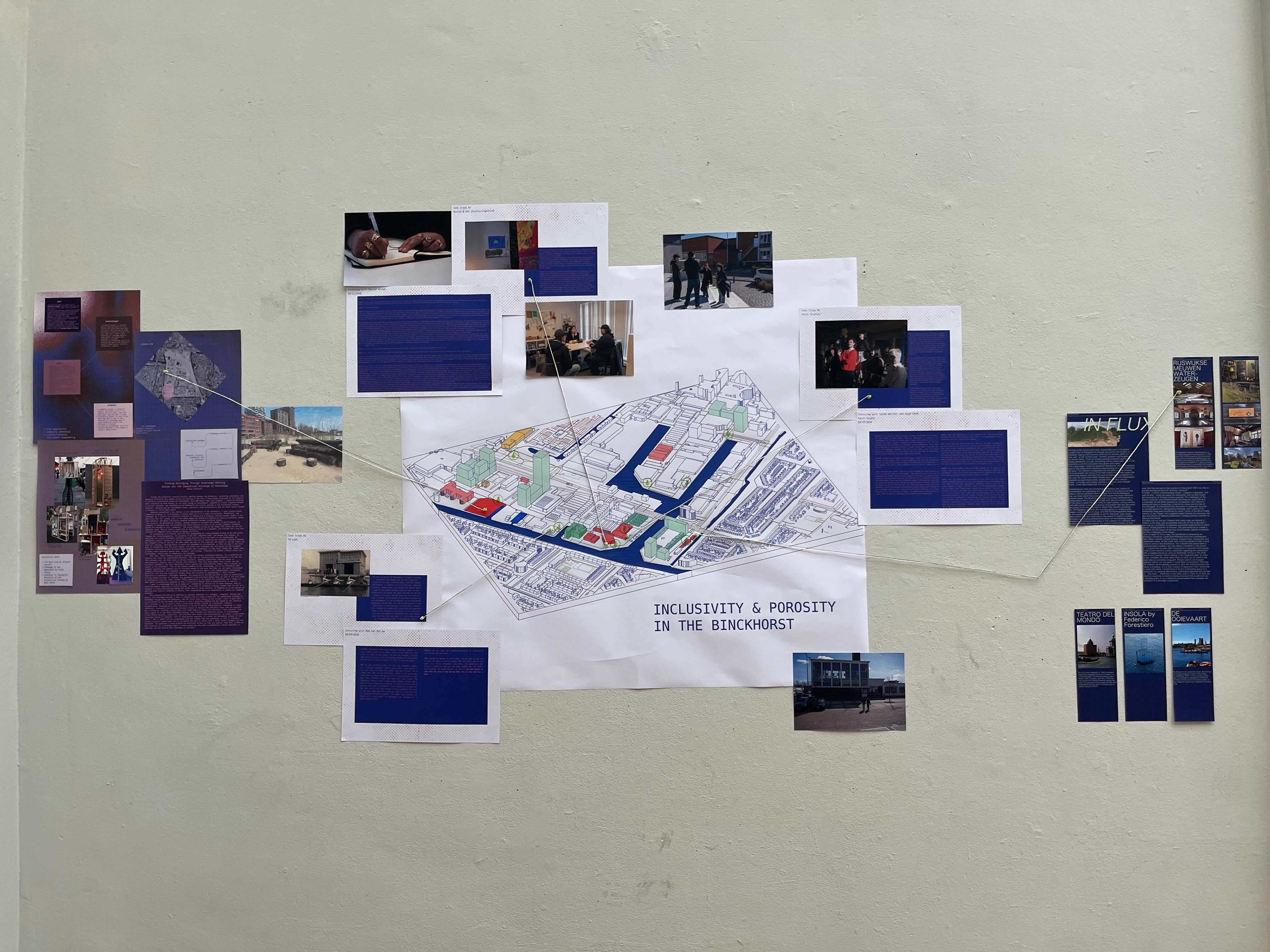
In this programme, writing is a vital tool for guiding the students through their research process. It serves not only as a record of this journey but also as a method for structuring knowledge, formulating arguments and bridging the gap between thinking and making.

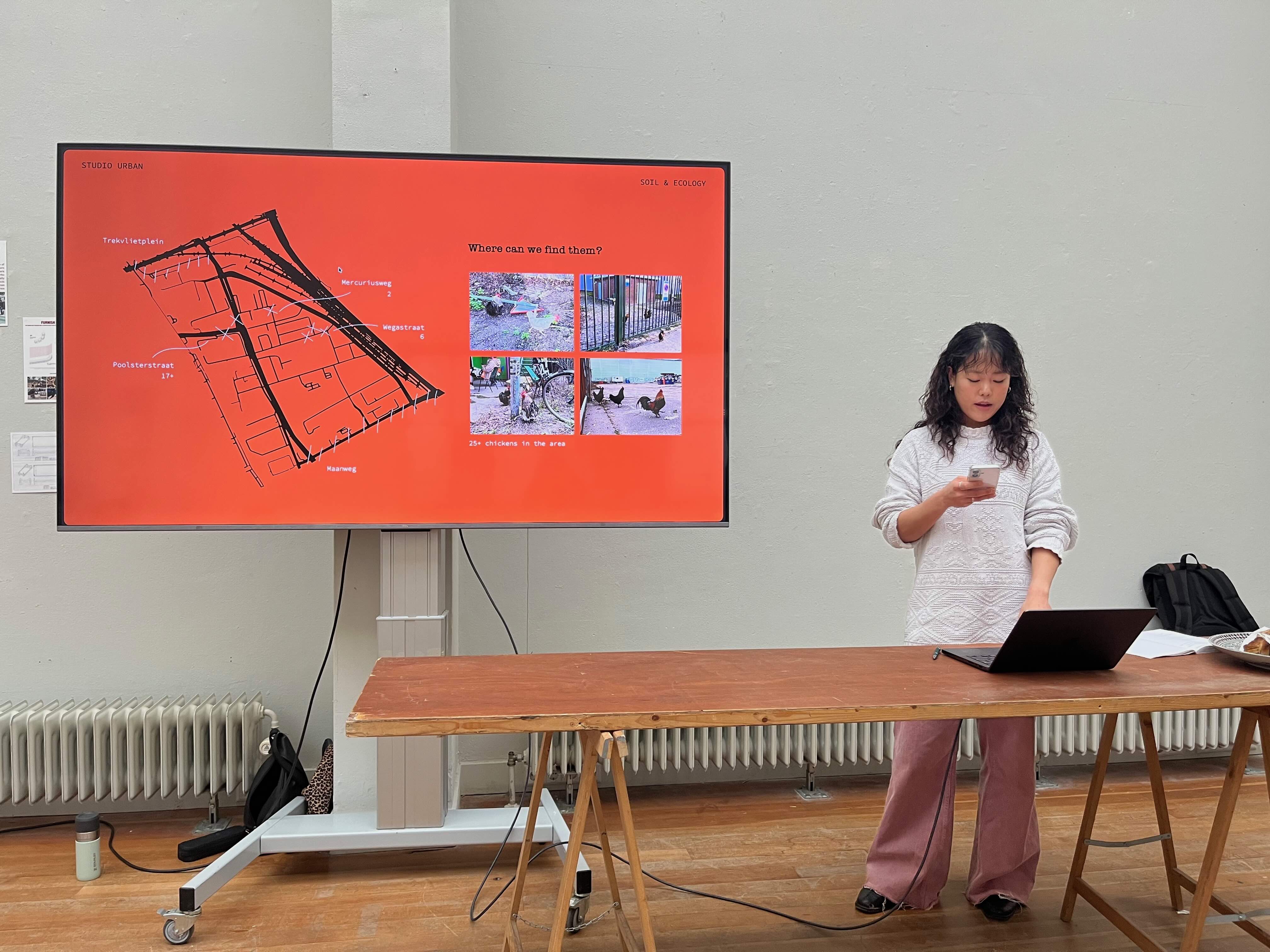
Through critical reflection, students are encouraged to postulate theories, analyze concepts and evaluate personal experiences. This process fosters personal growth by enhancing self-awareness, a sense of community and confidence in their own capacities. It involves observing, asking relevant questions and synthesizing facts, ideas and experiences to generate new insights and meaning to inform their design process. In the 1st year, the programme culminates in written deliverables that vary by studio: a manifesto (Studio INTER), an essay (Studio SPACE) and a research paper (Studio URBAN).

The graduation year centers on independently chosen research topics, investigated through diverse methodological approaches. This allows students to deepen their research and writing skills while gaining more clarity about their beliefs, opinions and values. In the first half of the year, they write a research paper to explore the potential of their research as a design tool and to define the design challenge for their graduation project.
Flows

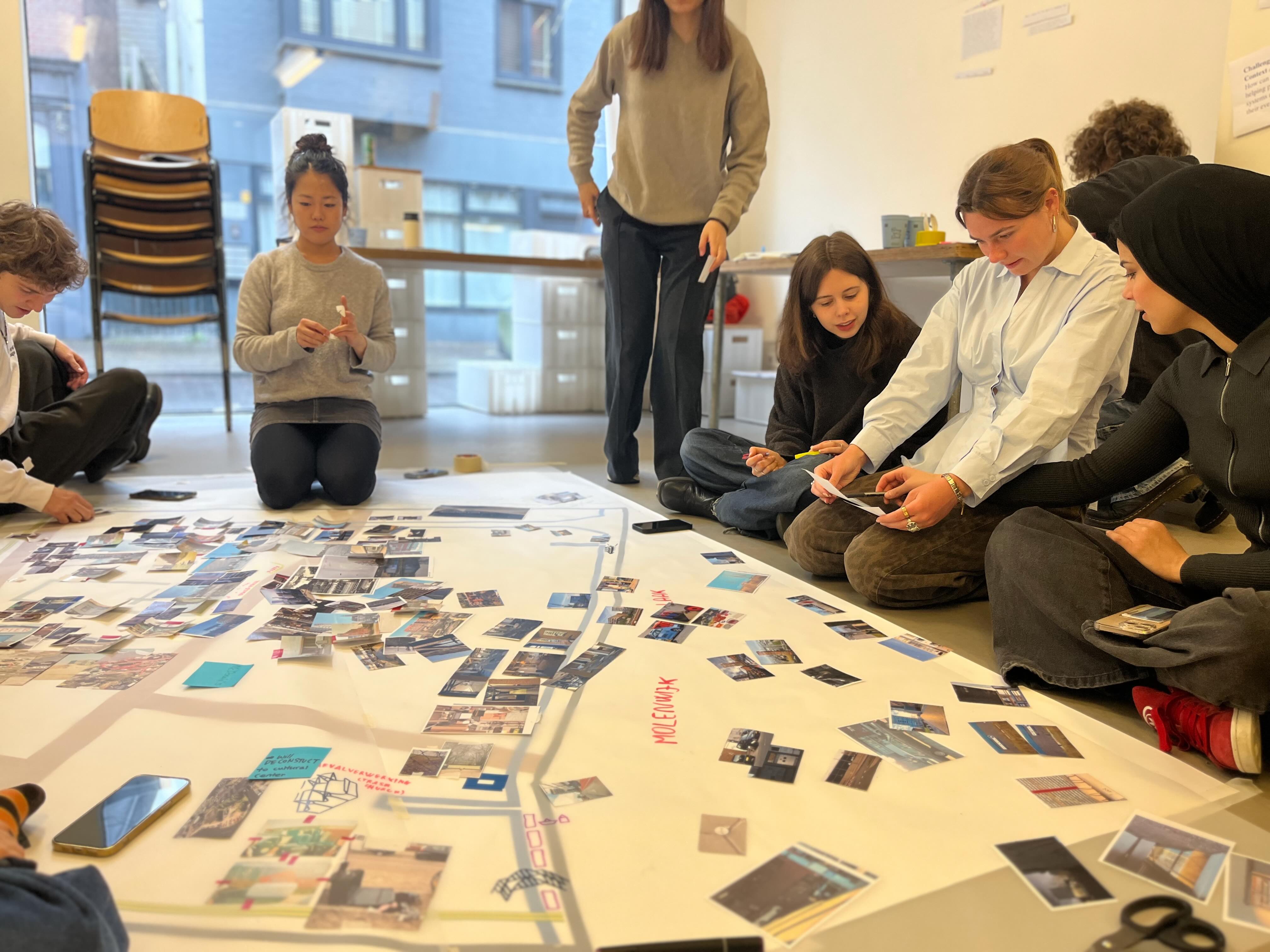
Flows is a spatial design methodology originally developed at INSIDE by Jan Jongert of Superuse Studios. Since 2022, the course has been taught by INSIDE alumna Junyuan (Jillian) Chen, founder of Superuse Studio China in Beijing.

flows1
flows2
flows3
flows4
flows5
flows6
flows7
flows8
flows9
flows10

The core objective of this course is to equip students with systems thinking as a foundational skill, enabling them to effectively understand and respond to complex environmental and social challenges. Throughout the course, the real world is approached as an inseparable socio-ecological system, where ecological and social systems interact closely, shaping the environment in which we live.

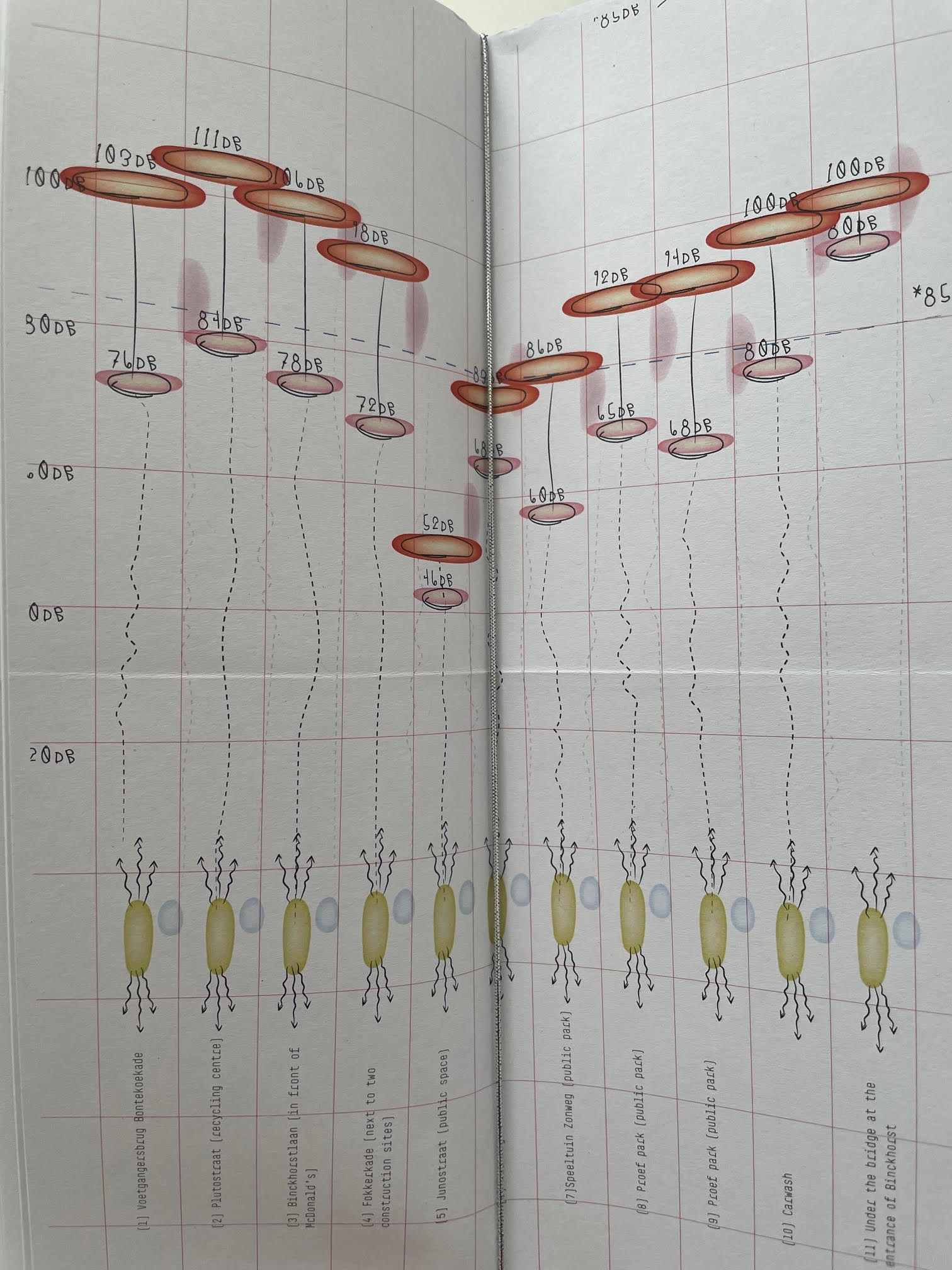
Flows analysis involves mapping and analyzing the movements of materials, energy, and other resources, highlighting the potential for resource circulation and transformation across different systems. For example, demolition waste from old buildings can be repurposed as resources for new construction, and industrial waste heat can be redirected as energy for residential areas, thereby achieving sustainable resource utilization.

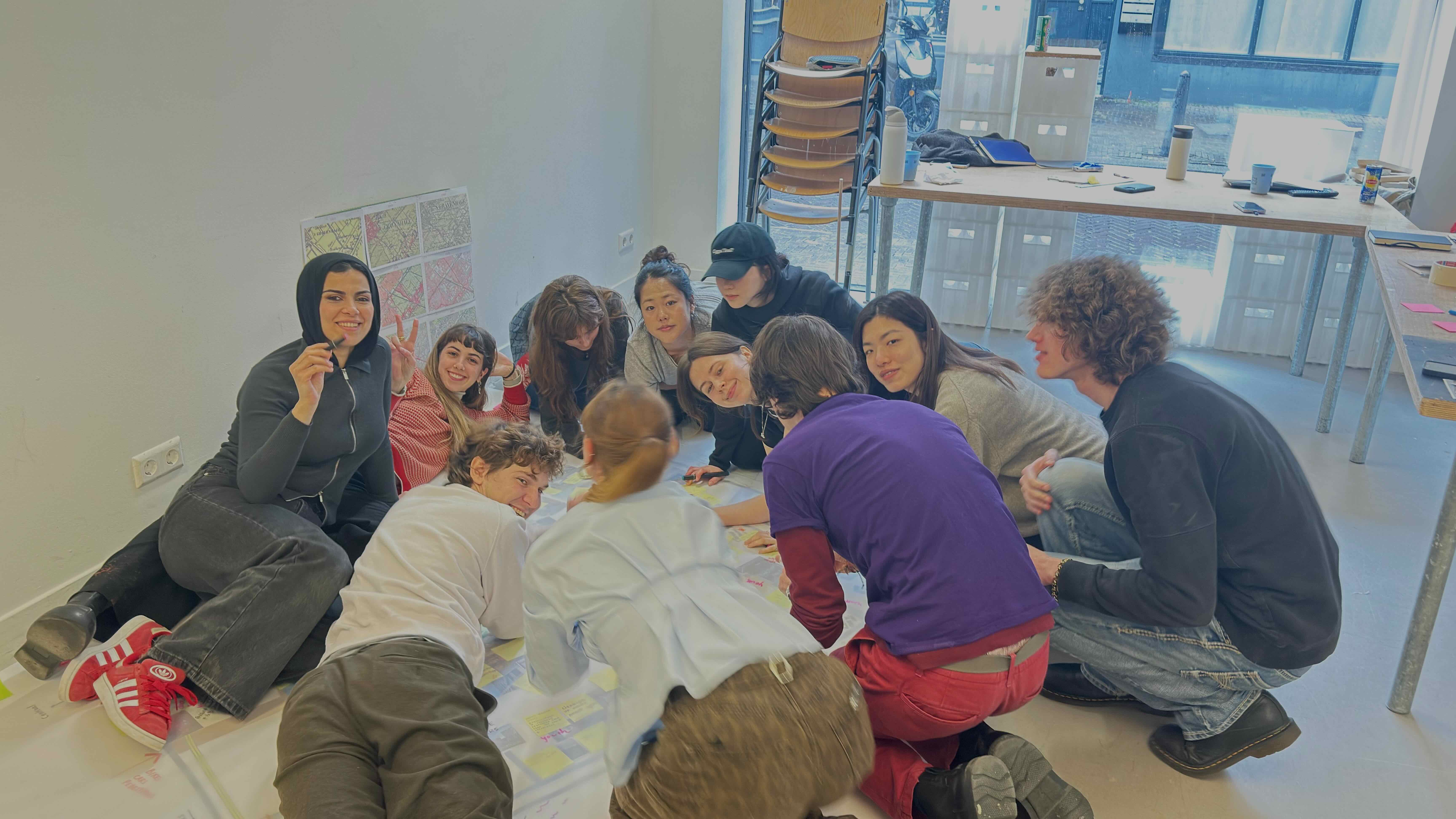
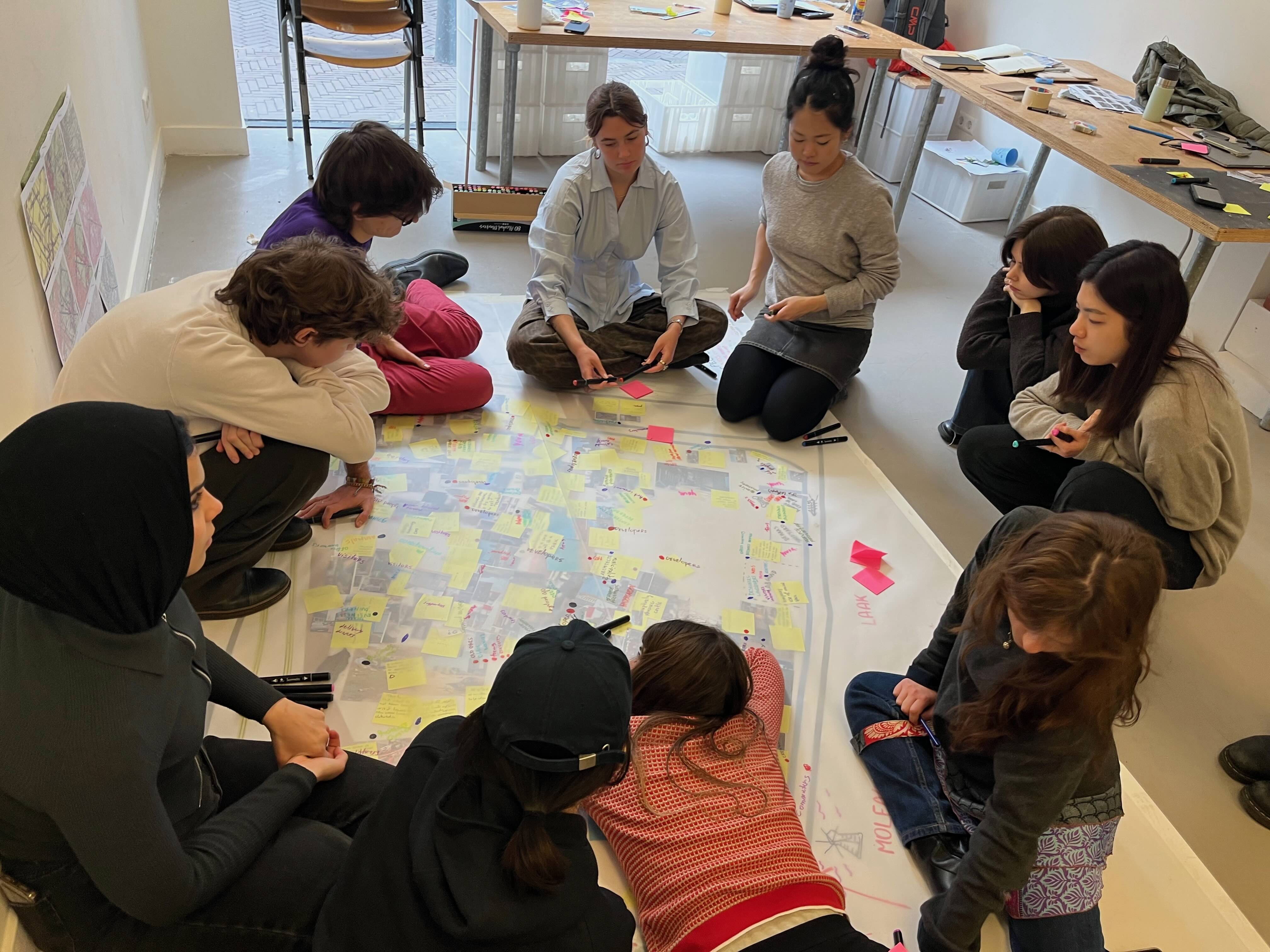
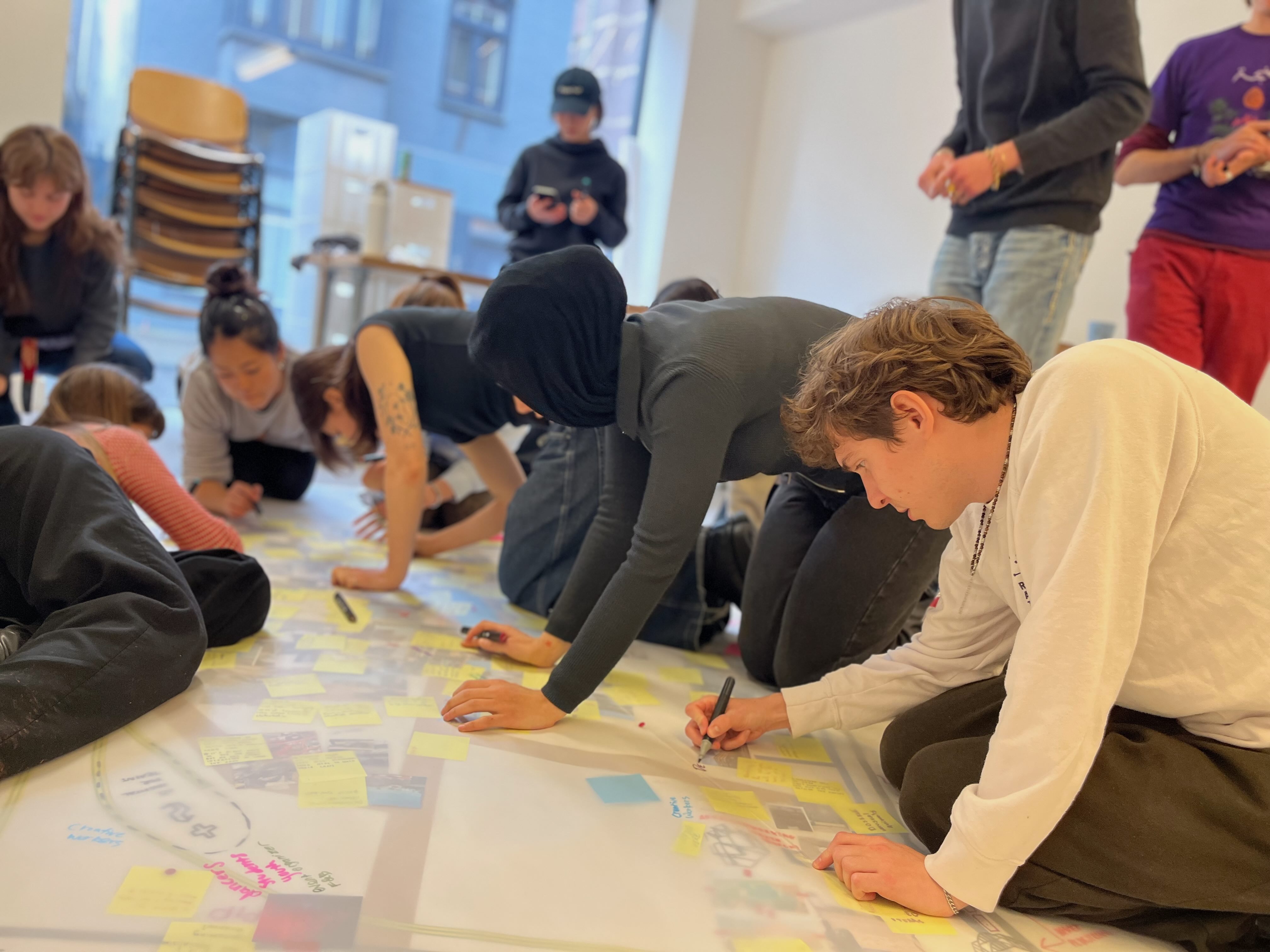
On the social system level, the course incorporates a variety of research methodologies, including participatory observation and network analysis within communities, and reflective research practices. Through design research activities, students engage directly with users or communities, providing design services and in return gaining valuable insights and knowledge. These methods enable students to deeply understand the needs, cultural characteristics, and social interactions within a user group, thus identifying opportunities for meaningful design interventions.

In the first two aspects, socio-ecological systems are primarily viewed as subjects of investigation. In the third aspect, however, systems thinking becomes the core methodological approach guiding the design itself. Students are encouraged to employ abductive reasoning rather than simple deductive reasoning. This approach helps them discover hidden relationships and underlying meanings within large volumes of complex, seemingly unrelated information, leading to innovative and targeted design strategies.

Travel

Travel is a programme, in which students of course travel. Far away, but certainly also close by.

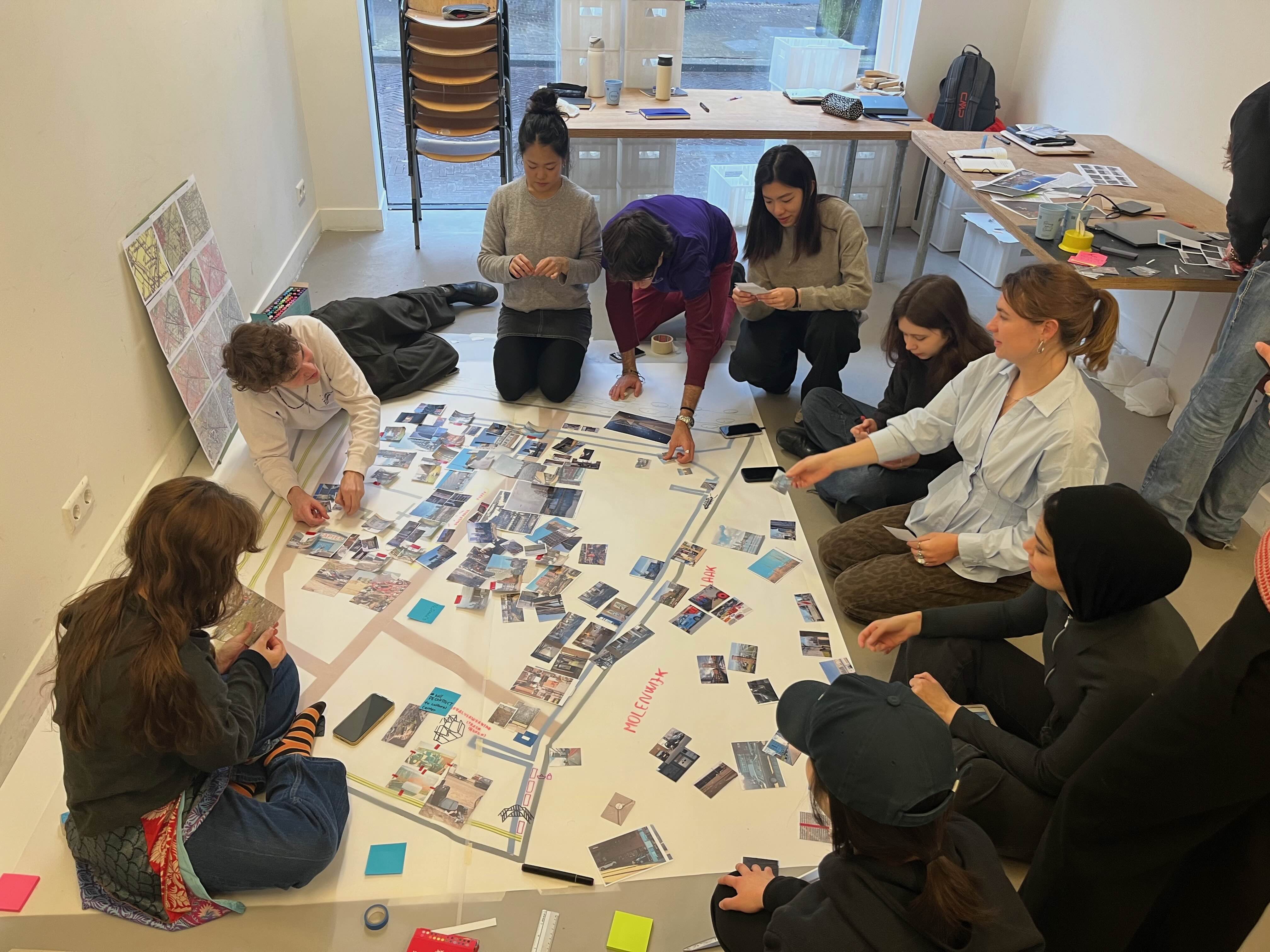
TRAVEL is about analysing the environment in a personal way based on observation, with the emphasis less on the highlights and more on the space in between. The programme was developed and is supervised by the Head of Department Hans Venhuizen. Spatial design is a complex matter by nature. At various scales from cities to interiors, there is always a context with many preconditions that the designer has to take into account. In developing the ability to deal with the specific context from their own perspective, to act with an autonomous mind in an applied context, it plays a key role where designers themselves are situated. TRAVEL is an educational programme that enables future spatial designers, by means of travel, to discover their own preconceptions, to critically examine them, and to get to know their own position from the way they perceive their environment. Subsequently, the programme also enables them to use their own observations as personal special features in their designs. Through encounters, explorations and experiments in four successive phases, TRAVEL gives future interior architects curiosity, confidence and skills in gathering and interpreting information and developing personal design strategies.

endem

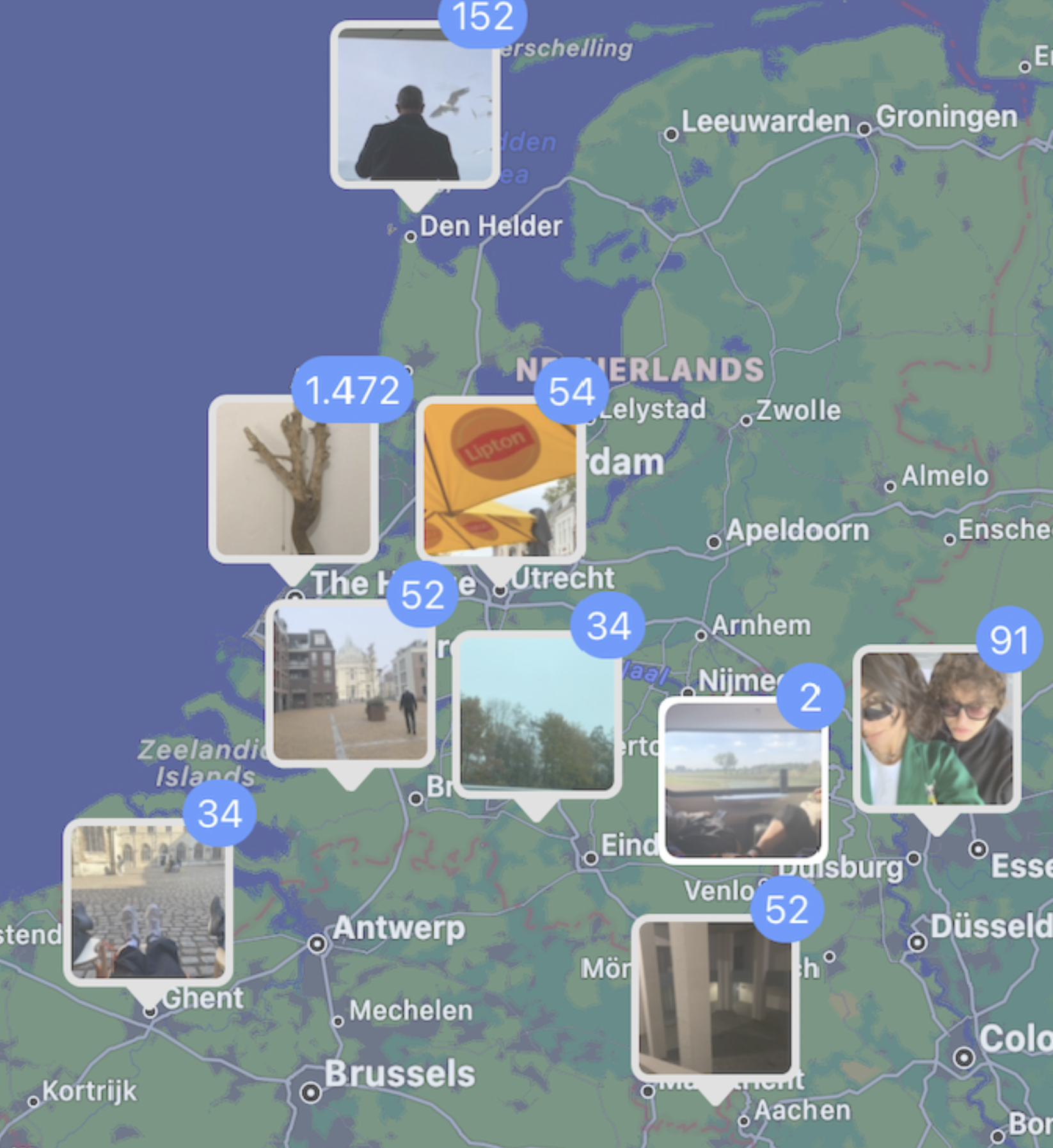
Phase 1–Endem

In which participants gather observations through spatial exploration.

Image: Nika Dundua

haoqi

Phase 2–Haoqi

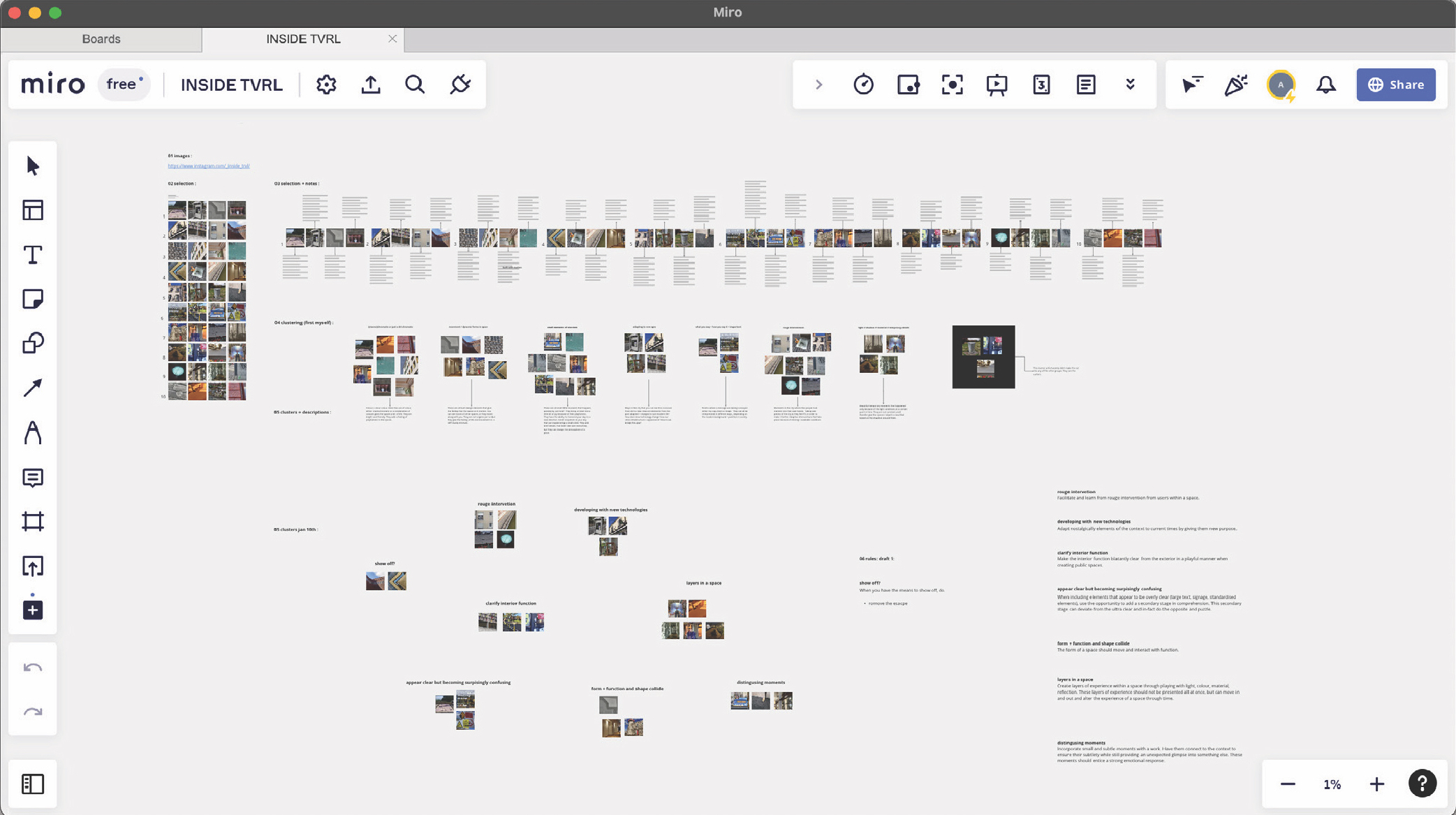
In which participants choose from among the many observations the ones they find most distinctive and/or most surprising and interpret and deepen those observations.

Image: Alicia Rottke Fitzpatrick

padideh

Phase 3–Padideh

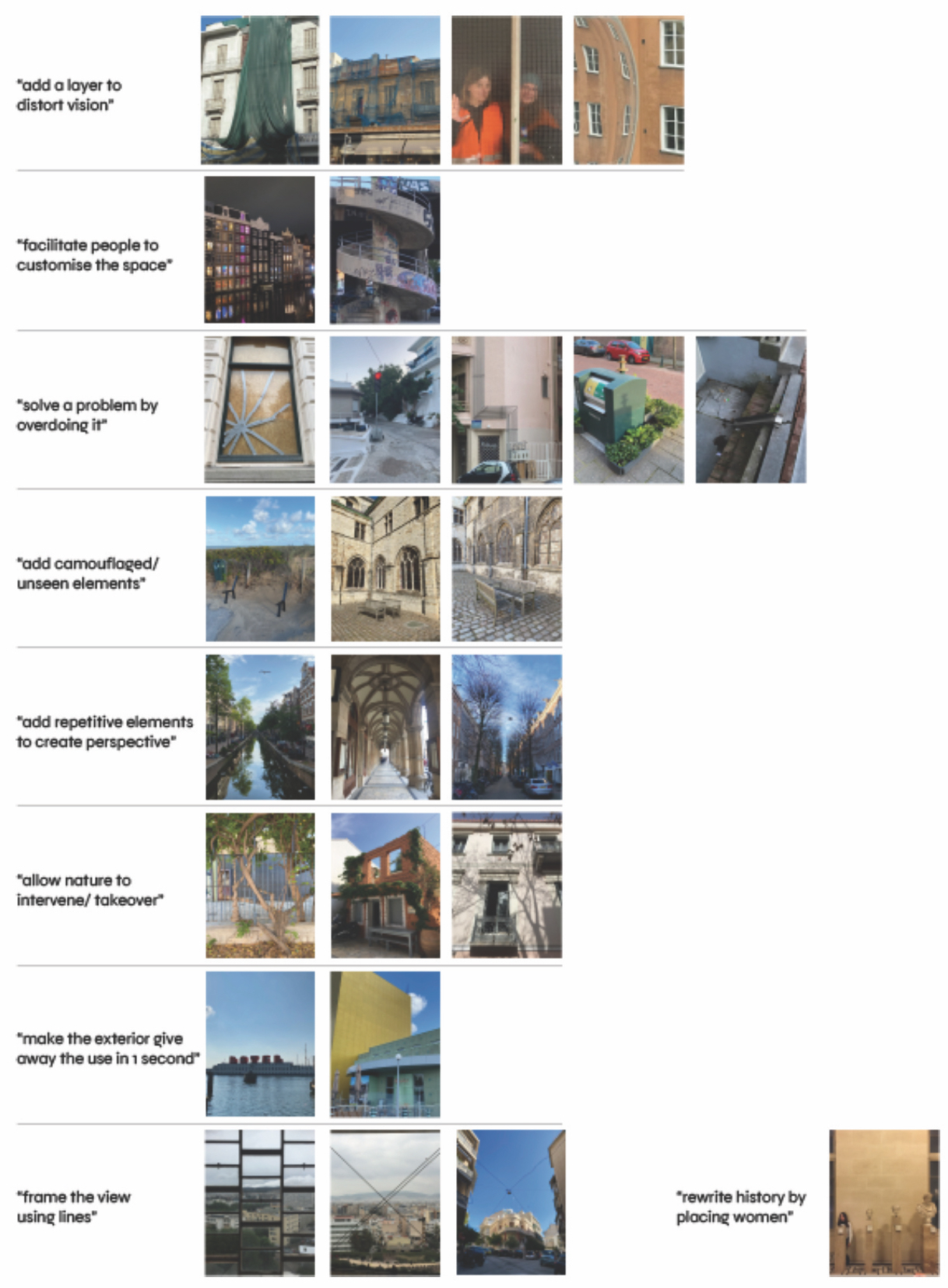
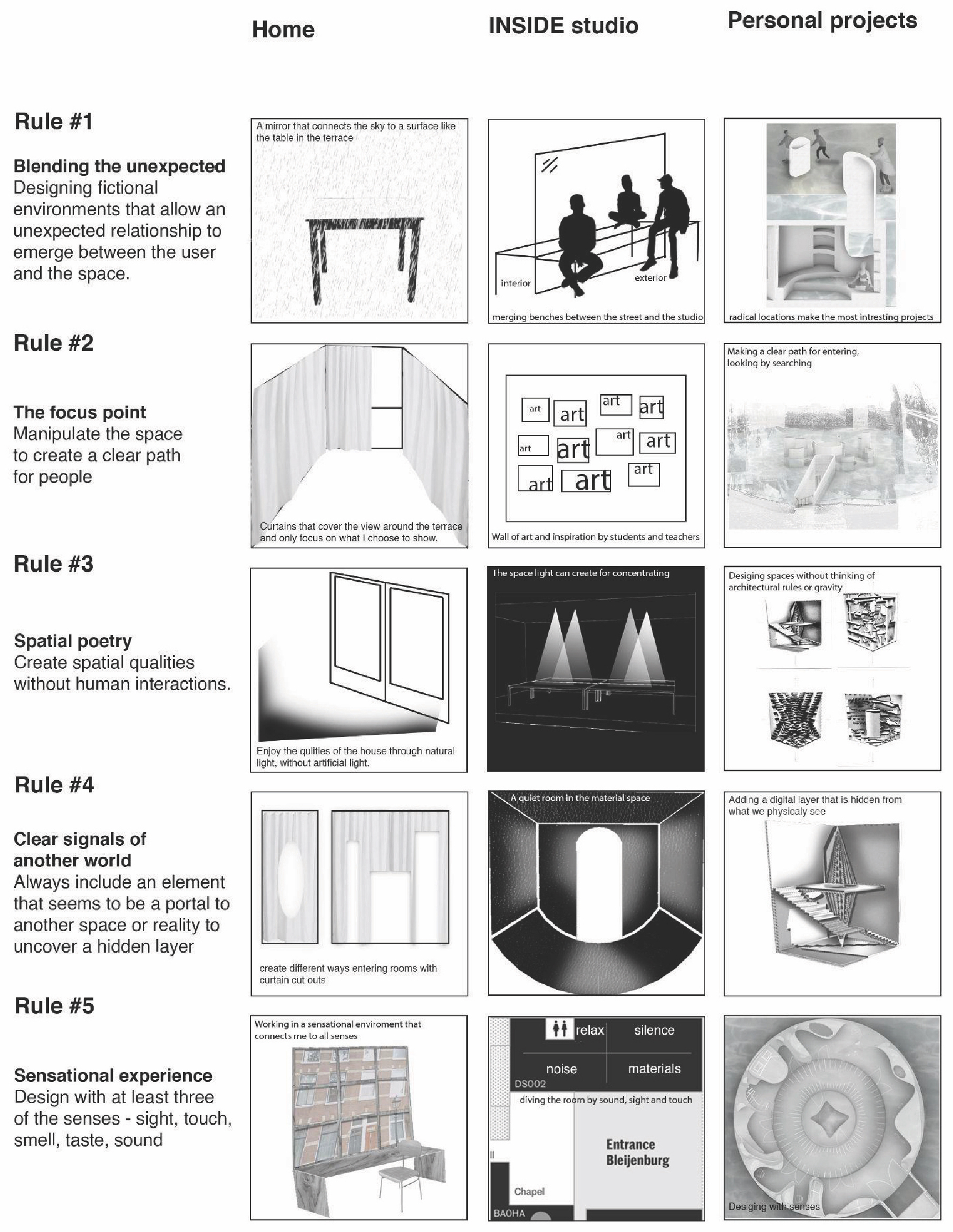
In which the selected observations are grouped and the connecting concepts within the grouped observations are identified and transformed into rules.

Image: Ina Patsali

stoffwechsel

Phase 4–Stoffwechsel

A concluding 'matrix' exercise in which the rules created by the participant, revealing their own preferences and preconceptions, are enabled to influence design tasks.

Image: Adar Cohen

Skills

Every year INSIDE organises a SKILLS programme consisting of workshops from 1 to maximum 3 days. The workshops are offered by guest tutors and do not initially focus on basic skills in handling architectural tools such as computer programmes that students have acquired during their bachelor education.

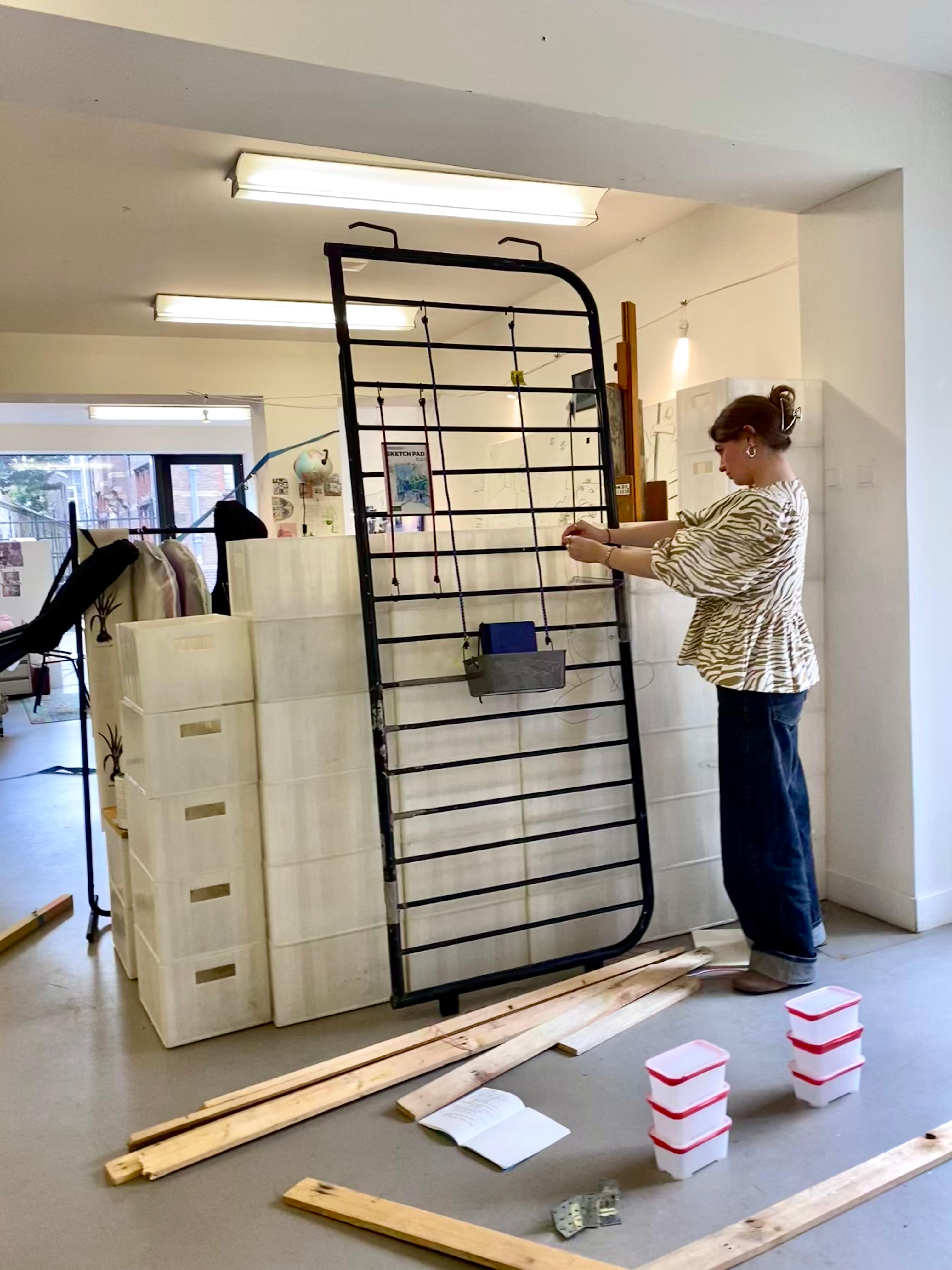
pressurecooker_workshop
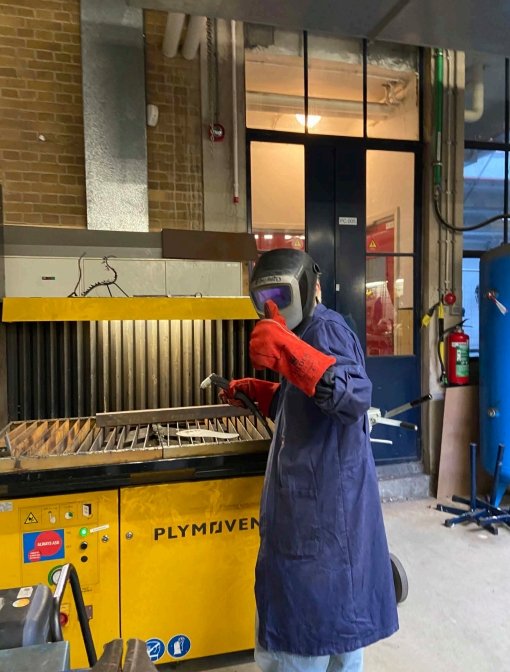
metal_workshop

The programme focuses on skills involved in developing personal research and design approaches and personal positioning in the professional field. Part of the programme includes workshops on presenting from one's own position, using modelling as a design research method, developing narrative short films, graphically design one's own research papers, getting acquainted with methods for transforming research results into design principles, participatory introduction to socratic organisational models and realising 1-on-1 presentations in try-outs. In addition, specific workshops proposed by the Studio tutors are part of the curriculum.

The first semester begins with a comprehensive introduction on the KABK workshops and includes participation in the workshops offered by second-year students as part of their 'learning by teaching' programme. Finally, it is possible for students to participate in the workshops offered extracurricularly as part of the Master Collaborative Programme.