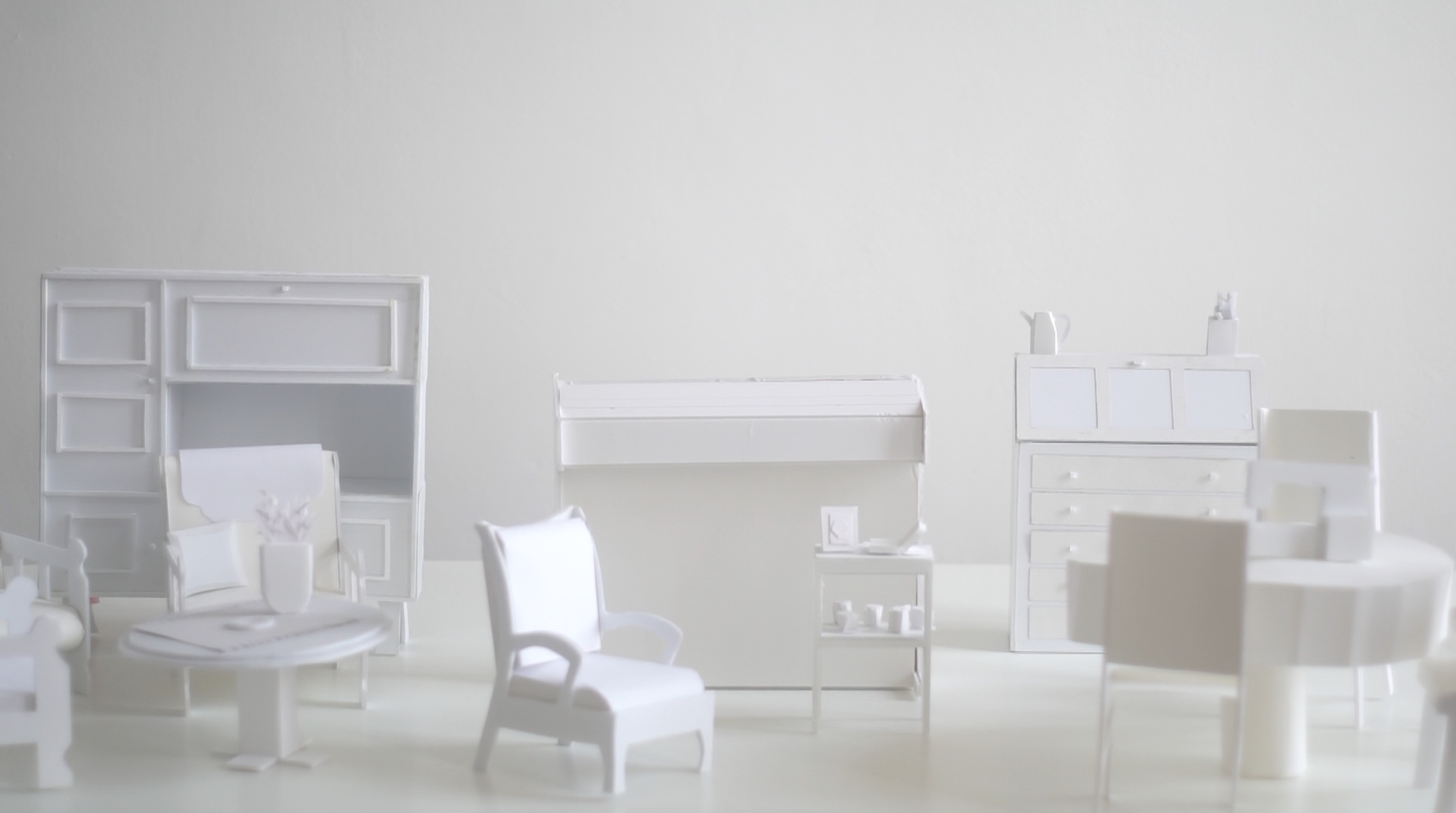
Contained Memories
by Pien Bruins Slot
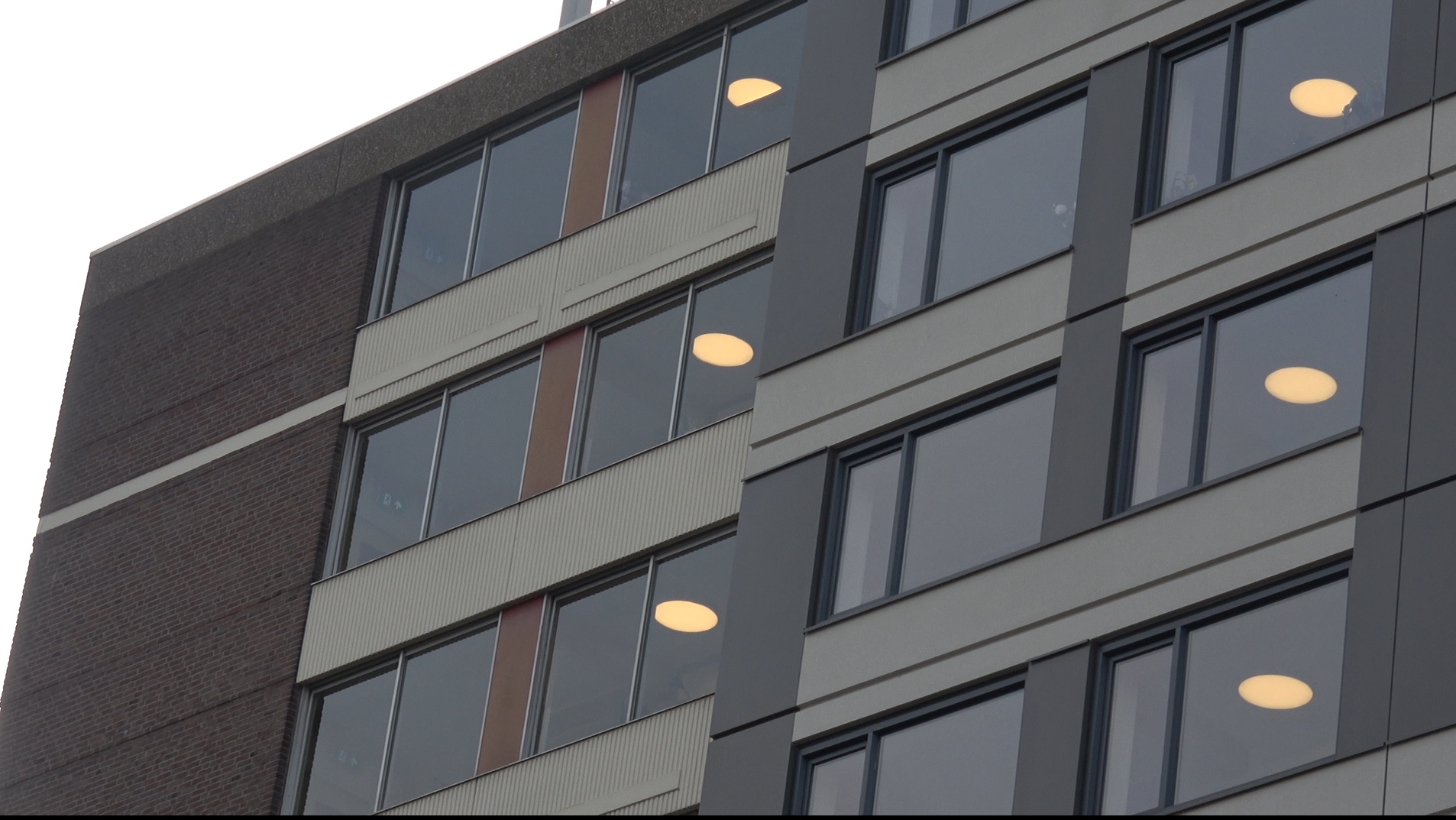
Moving into elderly housing means becoming part of a system of care while finding a sense of home.
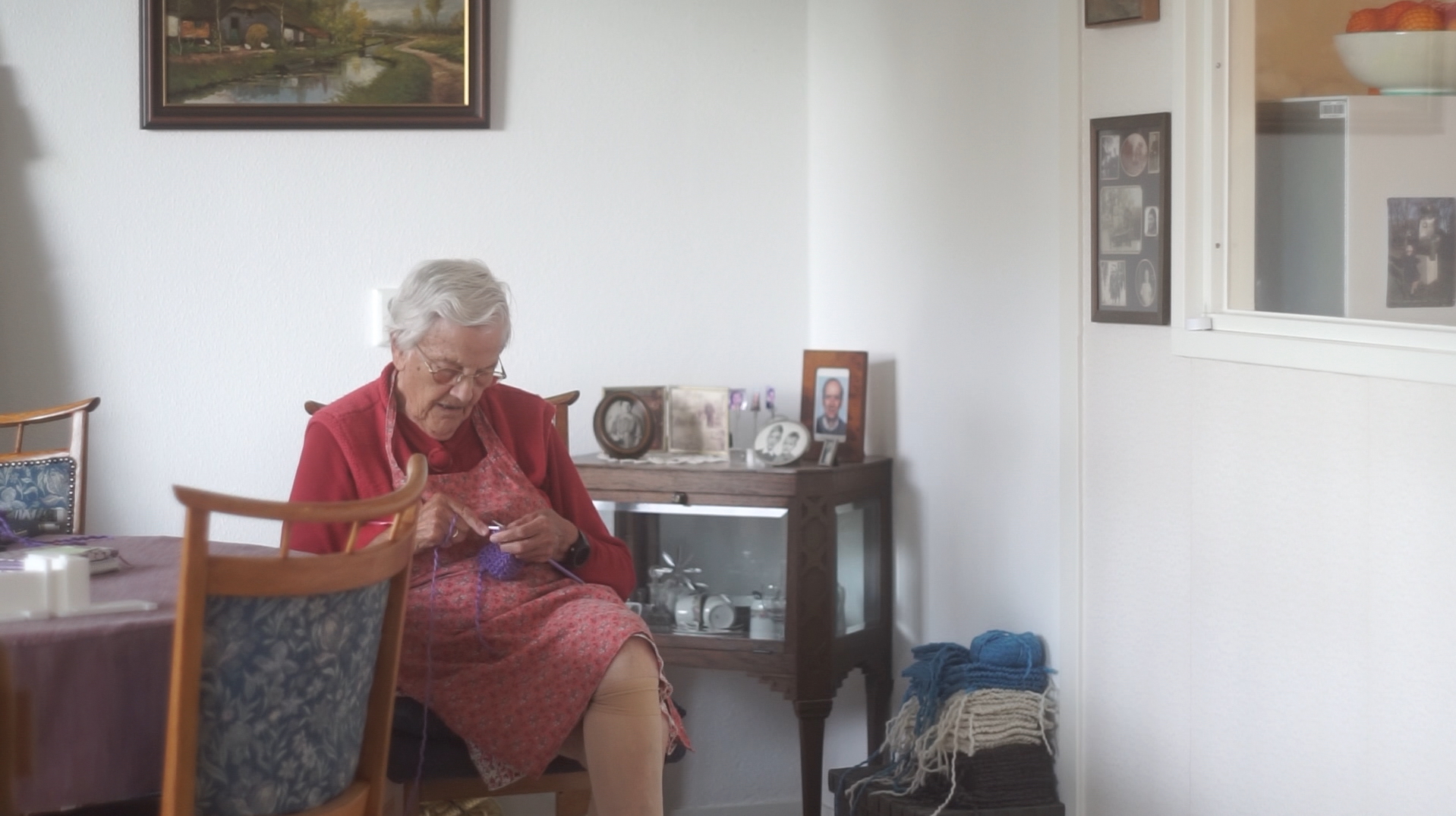
This project explores how my grandmother and three other women, living in identical apartments within an anonymous institution, navigate care, memory, and domesticity, and how these dynamics shape their experience of home. Through close engagement with these women, I found that home is continuously reactivated through embodied memory practices. Objects are no longer primarily functional; they create a scenography, sustaining fragments of former domestic lives within a standardized container.
These containers are part of a broader system in which care, efficiency, and expectations of social connection intersect. While independently living elderly residents often resist being defined through care, they remain embedded within it. Many residents spend most of their time within the apartment itself, where past and present collapse into a single domestic reality: both refuge and withdrawal.
A performative installation unfolds from the residents’ lived experiences. Translating memories of former homes, the absence of shared communal spaces, and the condition of being part of a larger institutional structure into scenography, the work reflects these spatial realities back into space. By making visible the dynamics between residents, family, and care systems, the installation opens a space for recognition and dialogue, drawing attention to the reality: these environments are, above all, someone’s home.