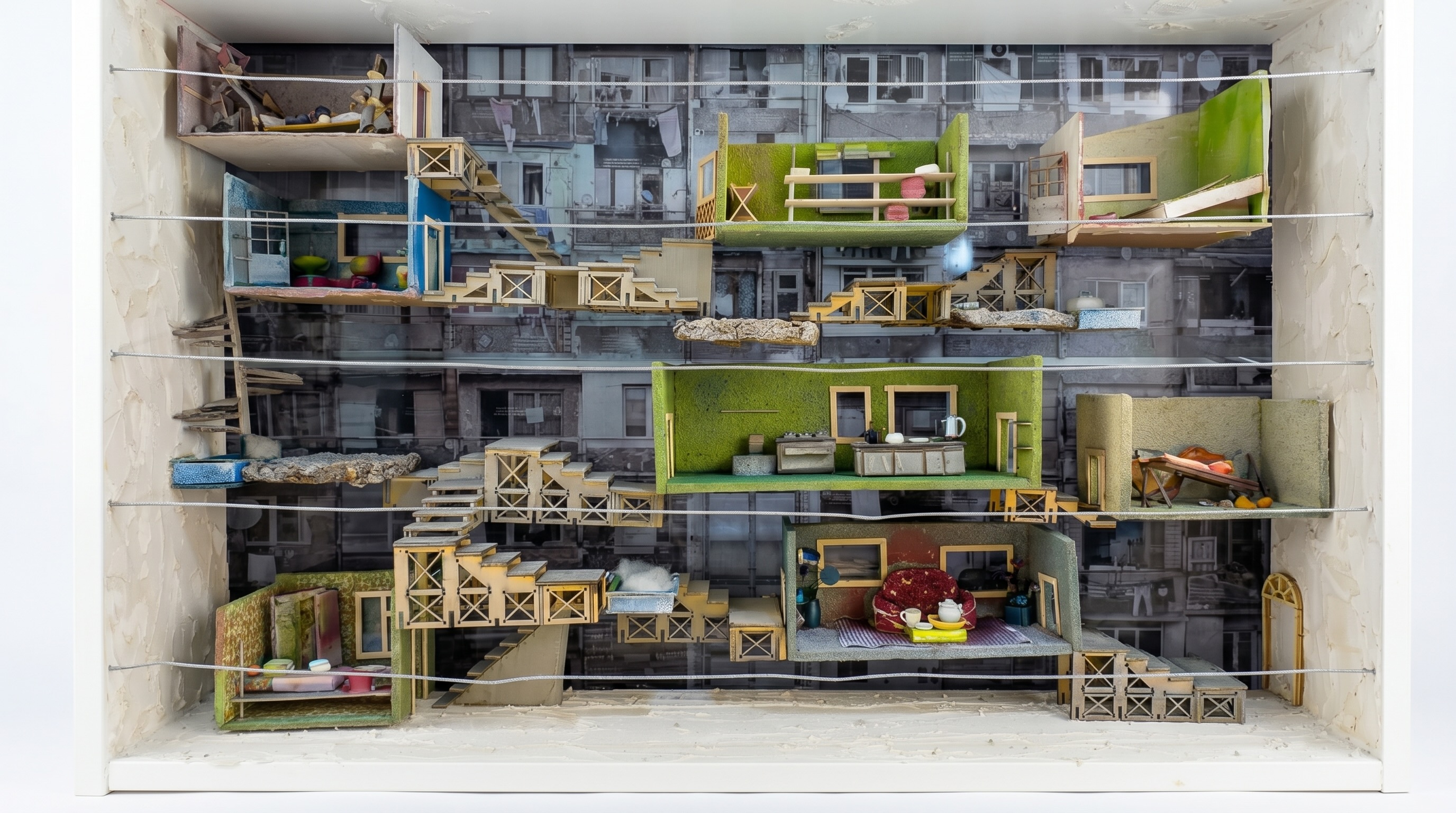
Silent Burn
by Daniels Rubins
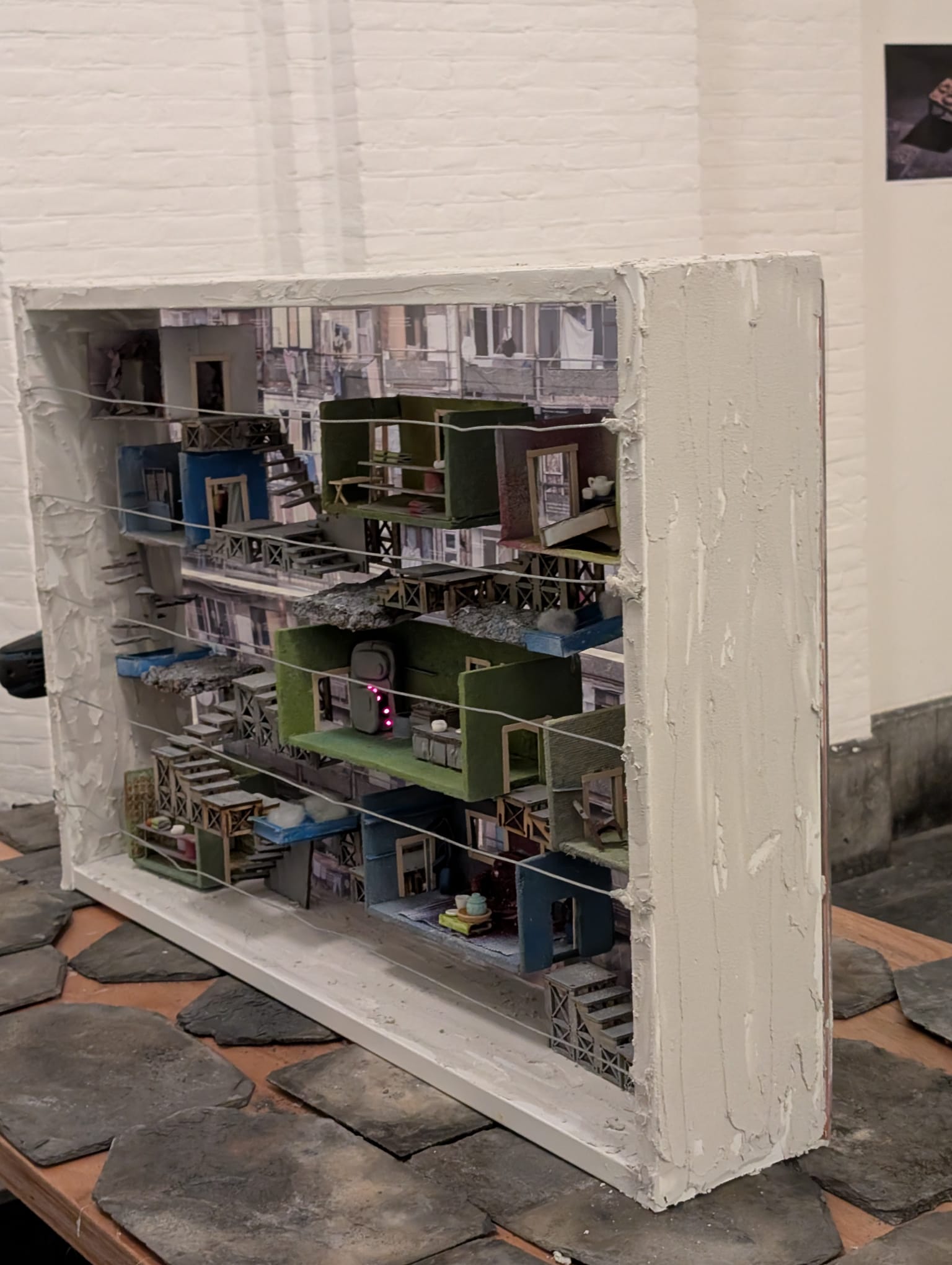
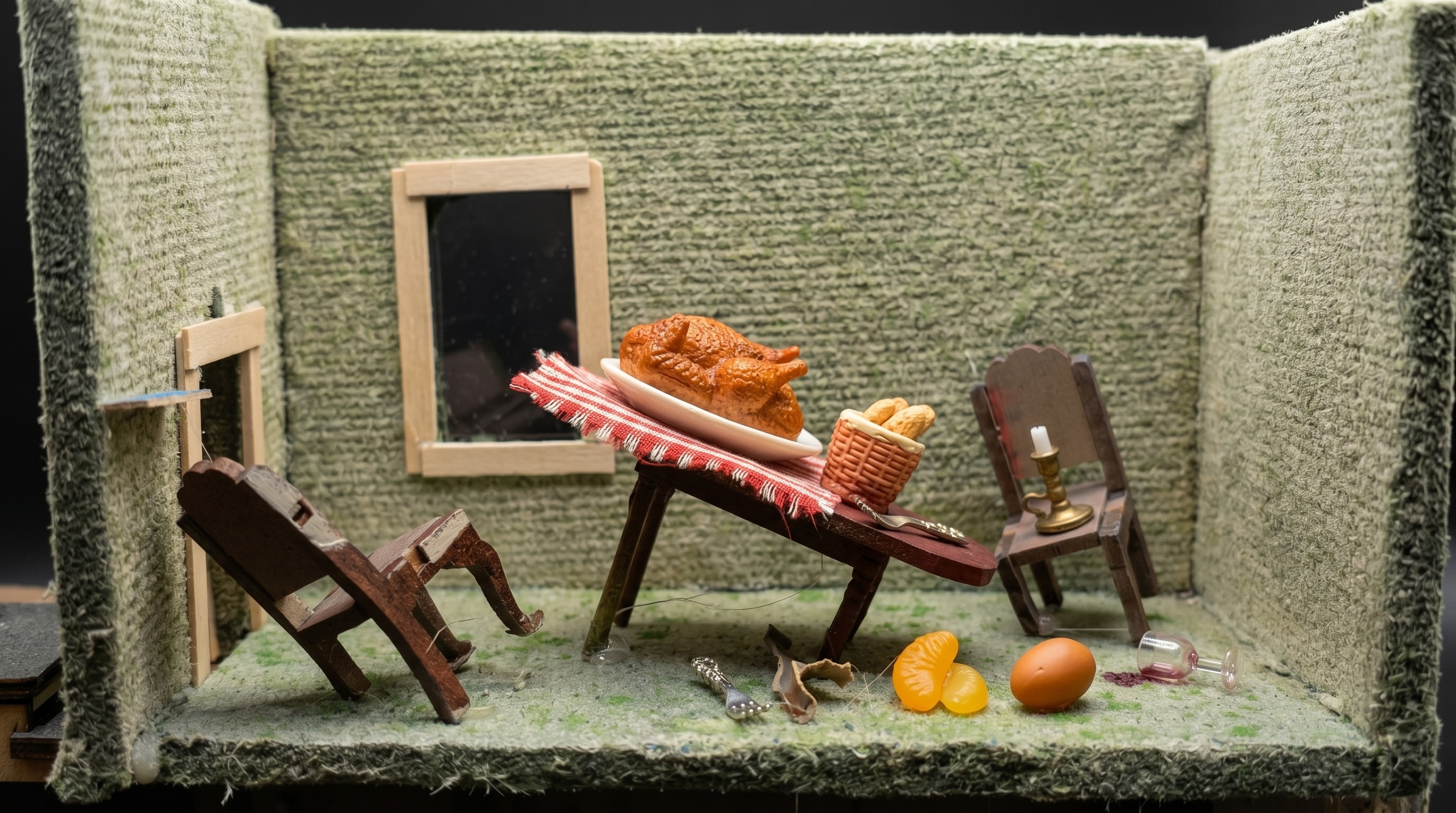
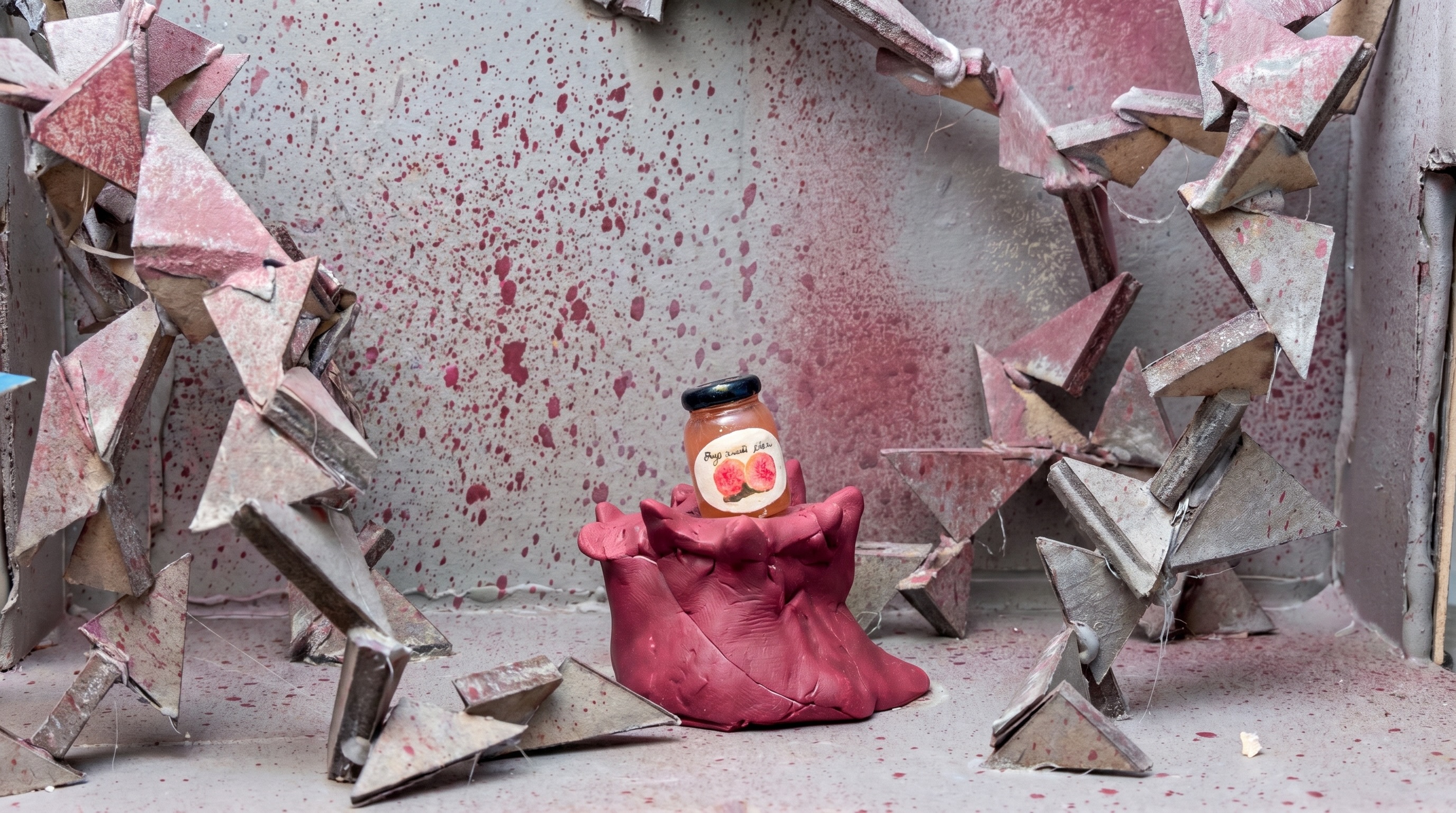
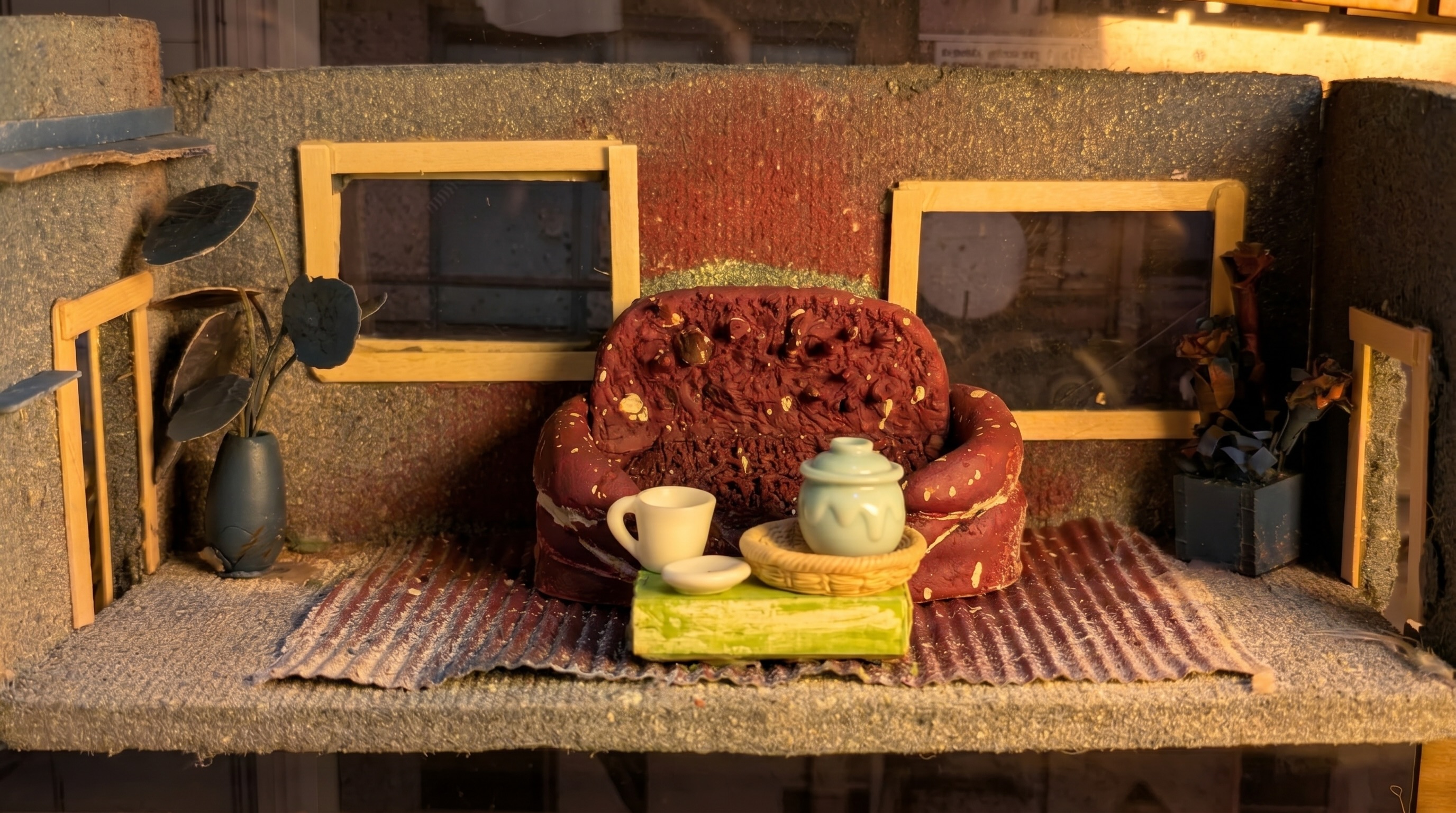
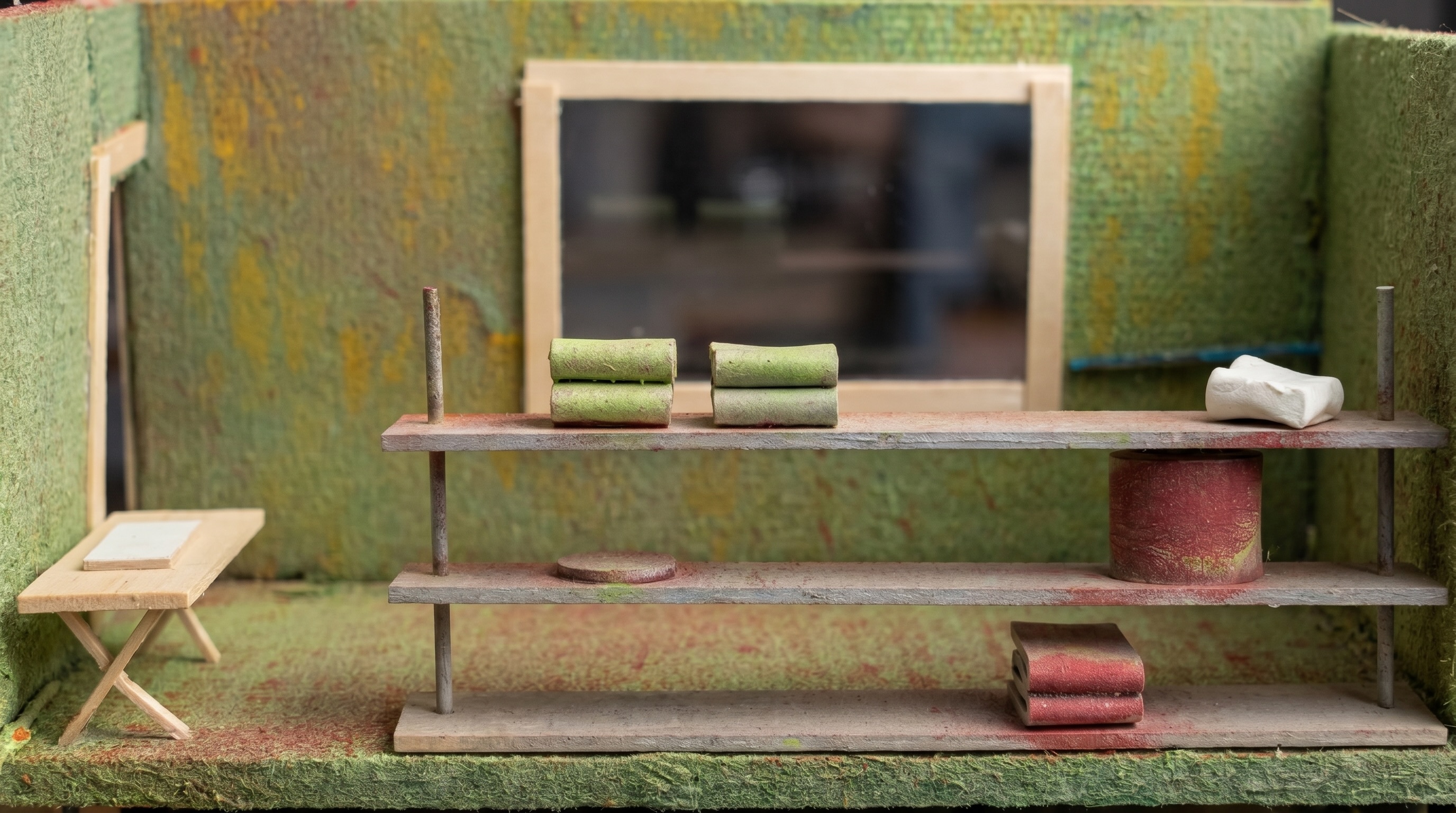
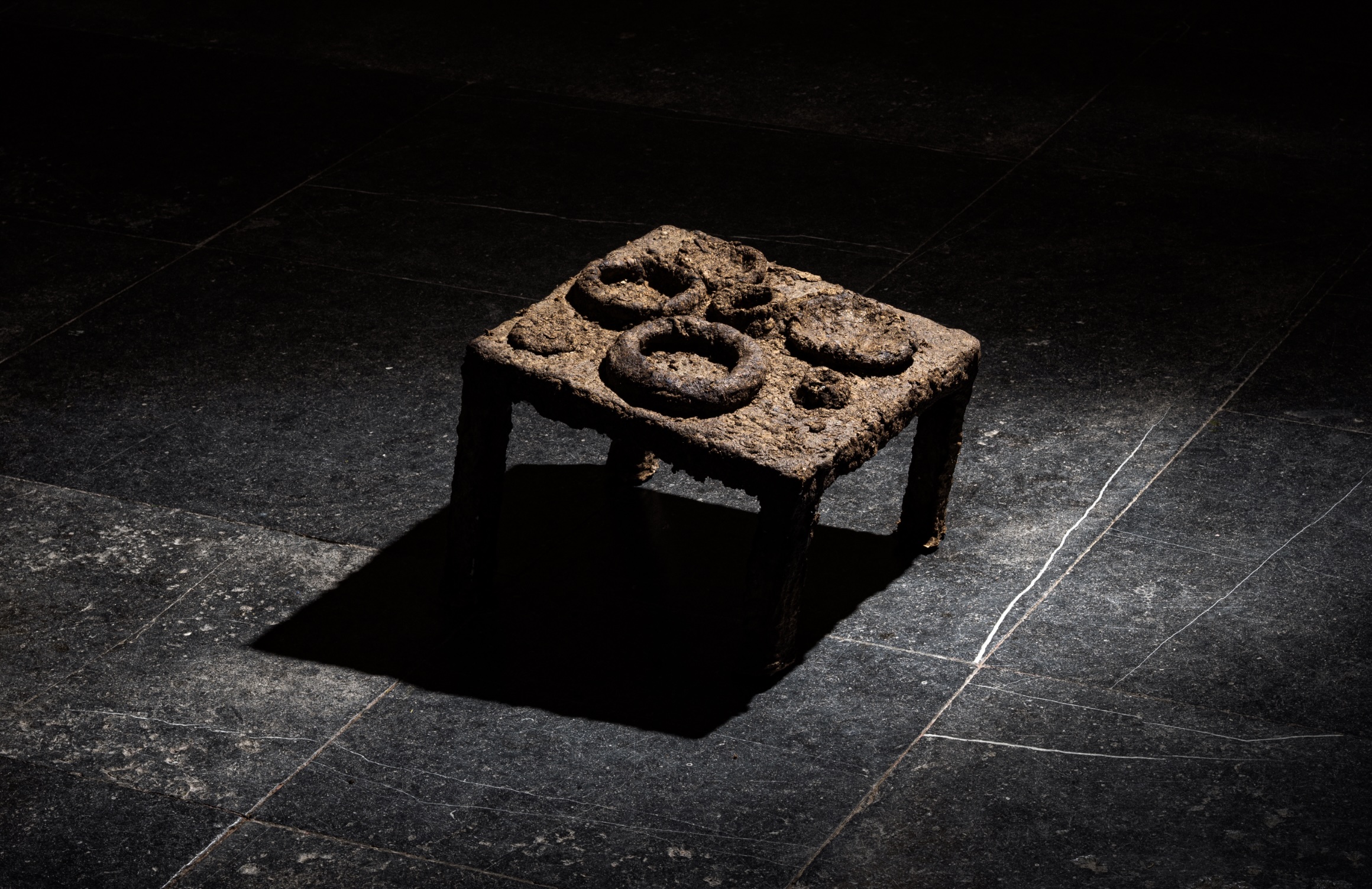
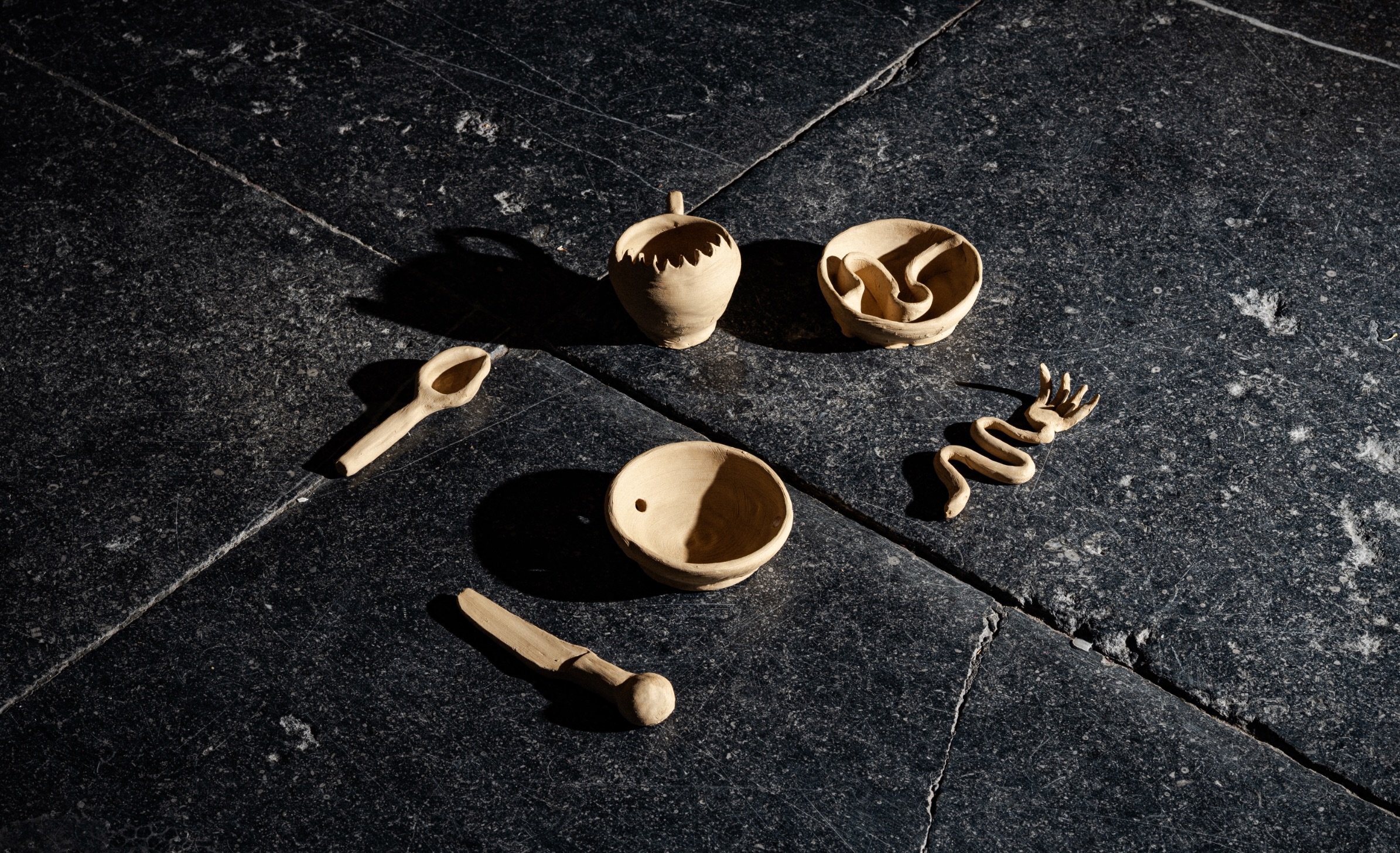
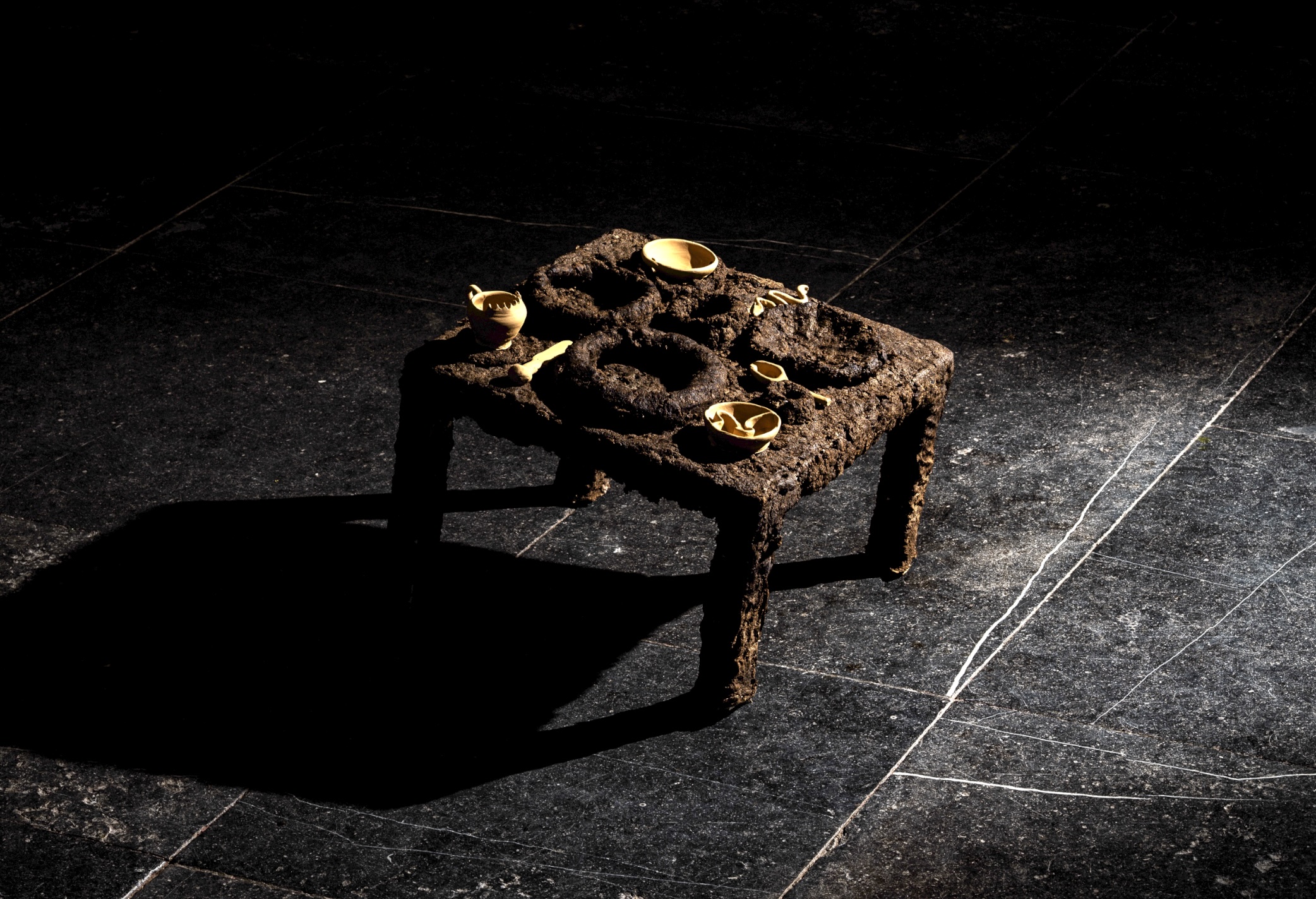
At 3 AM, when GERD strikes, the common advice (NHS, 2026) is very simple, elevate your head, drink water and wait. But this is only one pf the rules I encounter throughout the day. I eat my lunch carefully, chewing and rethinking every bite. I avoid the sofa after dinner. I prop myself up at awkward angles. My body has become a place of constant management, a never ending exercise of discipline and adaptation. The rules are mine to follow, alone, in the privacy of my own suffering. Yet the problem is not mine alone. Approximately 13.98% of adults worldwide (approximately 1 in 7 people) experience GERD, affecting an estimated 1.03 billion individuals globally (Agrawal, 2020).
Gastroesophageal reflux disease (GERD) is a chronic condition that creates high levels of stomach acid and fundamentally reshapes eating, sleeping, working and moving (Wikipedia 2026).
The medical establishments like UMass Memorial Health (2024) offers solutions through a set of rules I decided to call the "10 DONT’s": do not eat late, do not lie down after meals, do not eat fast, avoid acidic foods, manage stress. Research confirms that lifestyle interventions work: elevation reduces night pain symptoms; slow eating prevents from triggering reflux (Ness-Jensen, 2016; Gurges, 2022). However, having experienced it myself it’s clear to me that these rules are nearly impossible to follow at the same time in a world built for people who never have to think about acid climbing their throat. Another important thing to mention is the online misconception of the illness. The internet shopping platforms like MedCline (2026) sells solutions like special pillows, medications and supplements, as if the problem was only medical and individual. All of this raises a simple question: what if the real problem is not the body alone, but the spaces it is forced to inhabit?