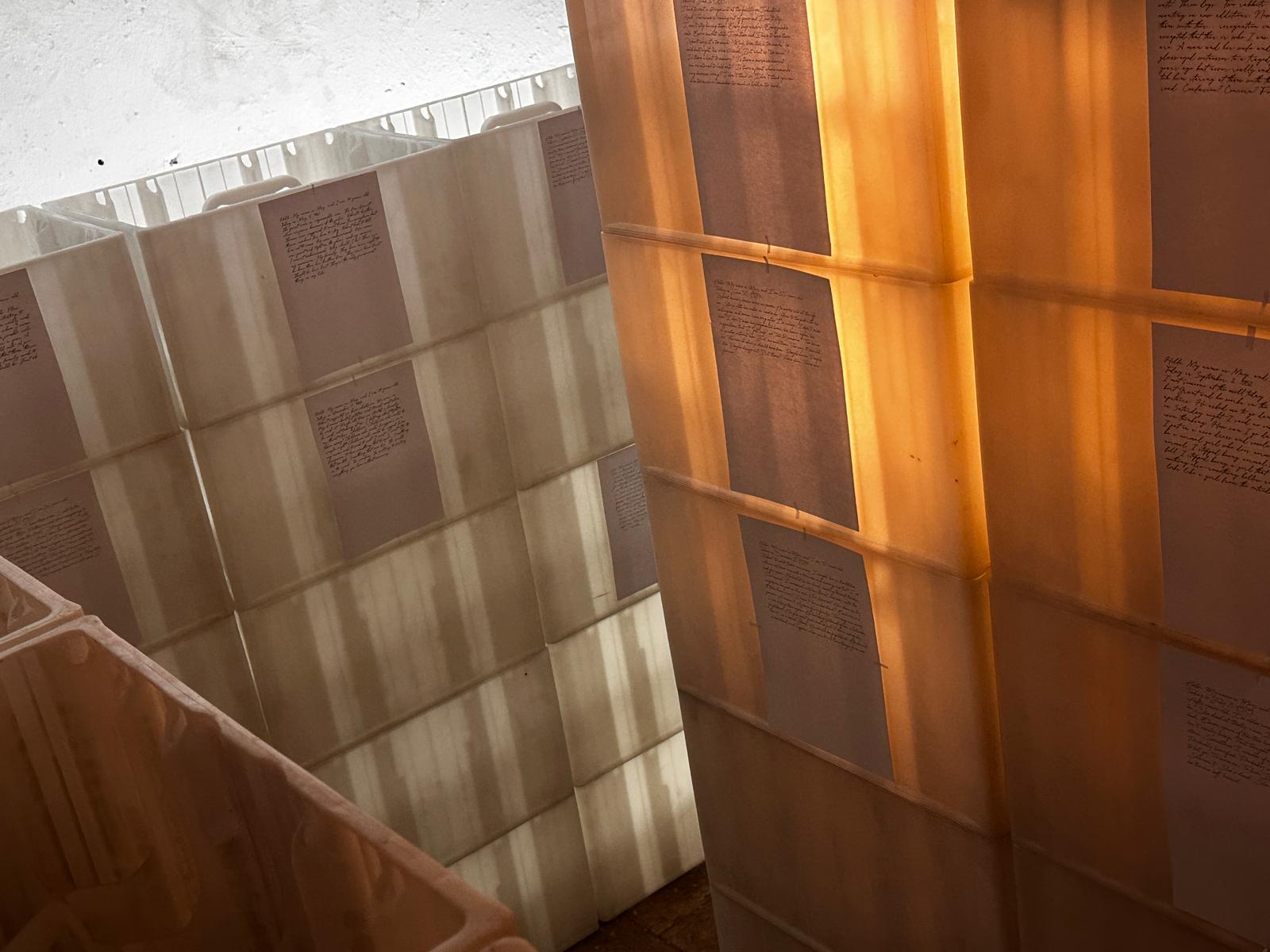
Memorabilia: The Second Wall
by Francesca Rampini
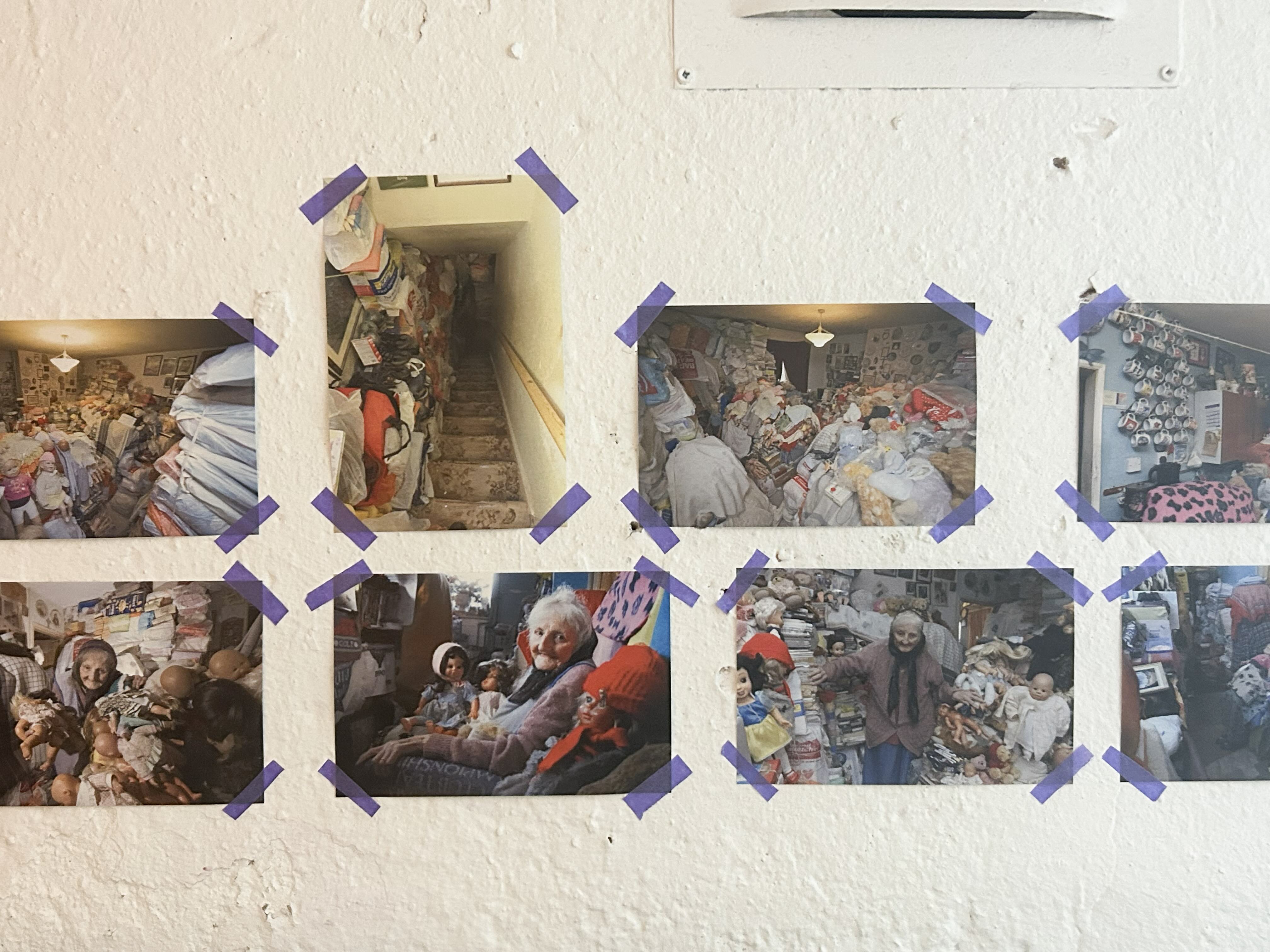
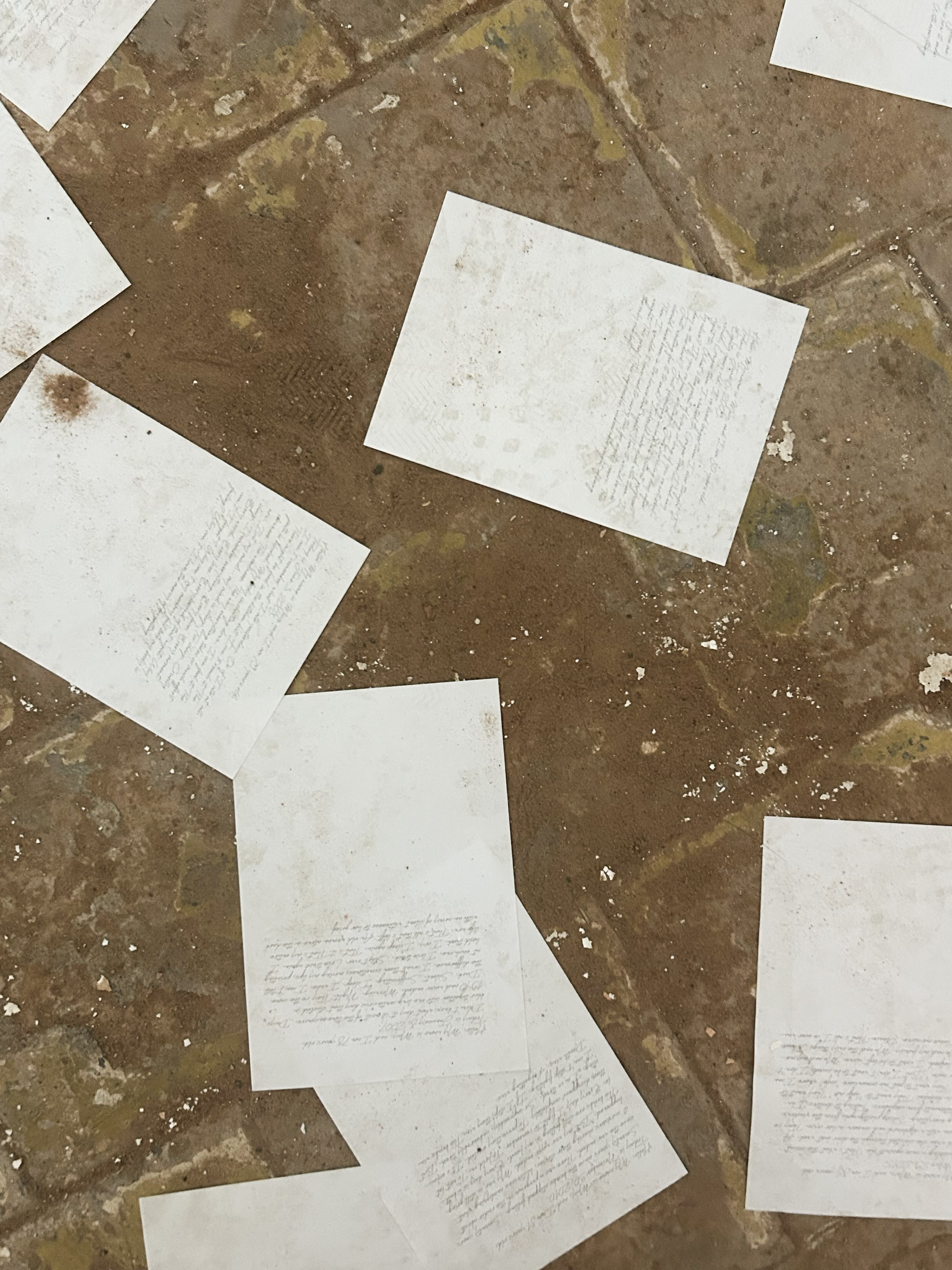
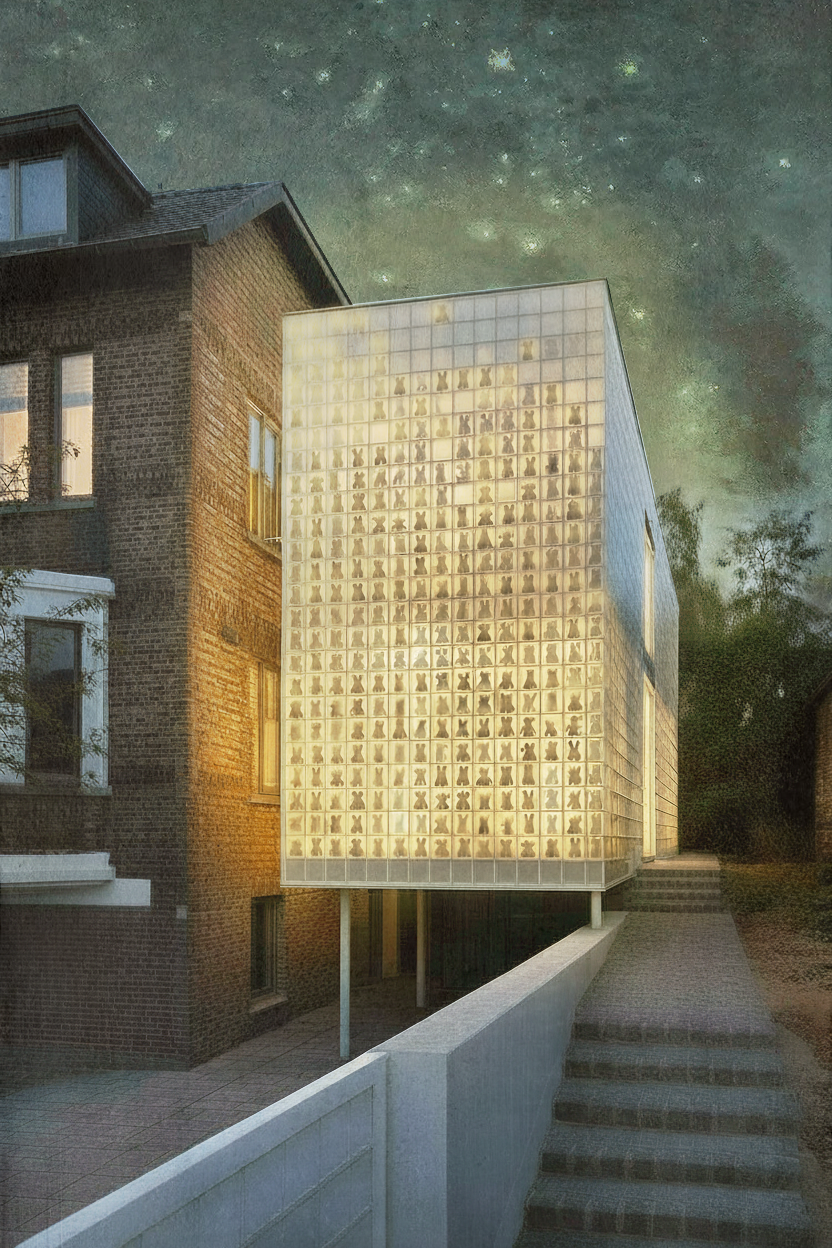
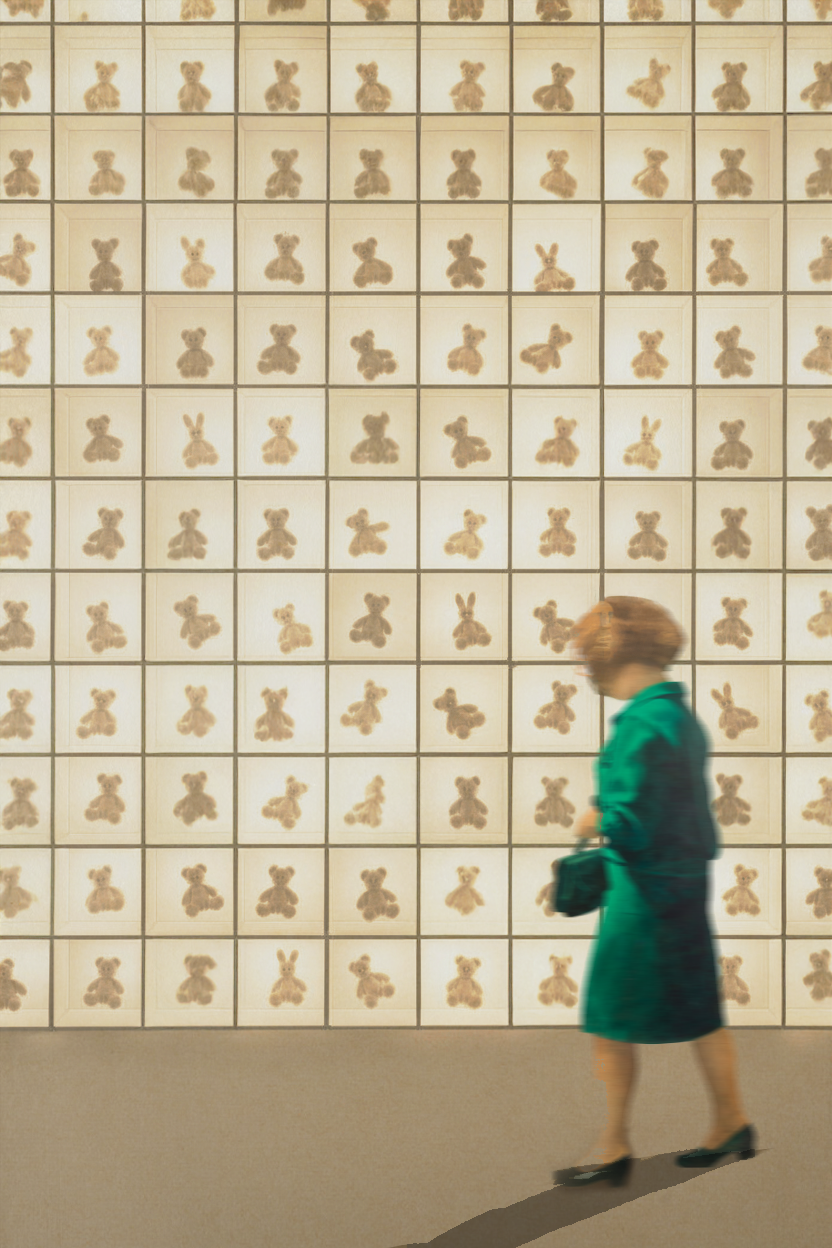
You walk into a house full of objects, layers upon layers covering every surface, every inch of the floor, every wall. What do you think? You judge. Right? Before asking, before listening, before understanding. You judge.
Now, let me tell you a story.
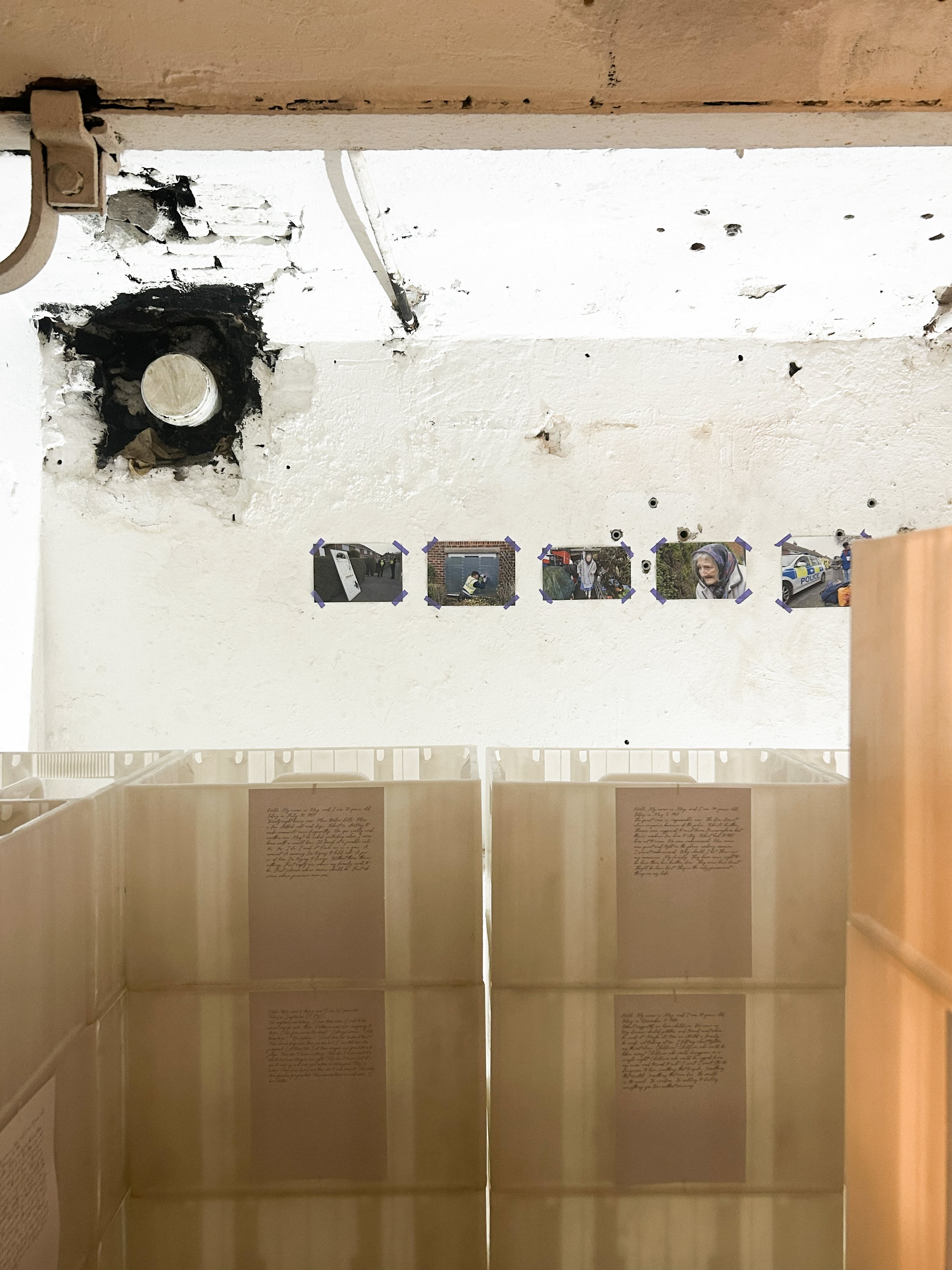
4th march 2016, May Appleton, at the age of 87, after living in her home for 61 years, is forcefully taken away by the authorities. The door is violently kicked down, the windows boarded up with metal sheets. May is forced to live far from home, far from her reassurances. May cannot survive like this. Three months later, May dies of sadness, hopelessness.
May was not seen as a woman with a story. May was judged. Labeled as a problem, as a hoarder, as someone who had lost control. But behind every object, every stuffed animal, every doll, there is a reason. A memory. A loss. An attempt to cling to something that once mattered, and still matters.
Memorabilia: The Second Wall stems from the desire to reveal what is hidden, what we refuse to see. Memorabilia, from the Latin memorabilis, -worthy of being remembered- refers to objects in which intangible memory becomes physical, tangible, something that can be held in one's hands.
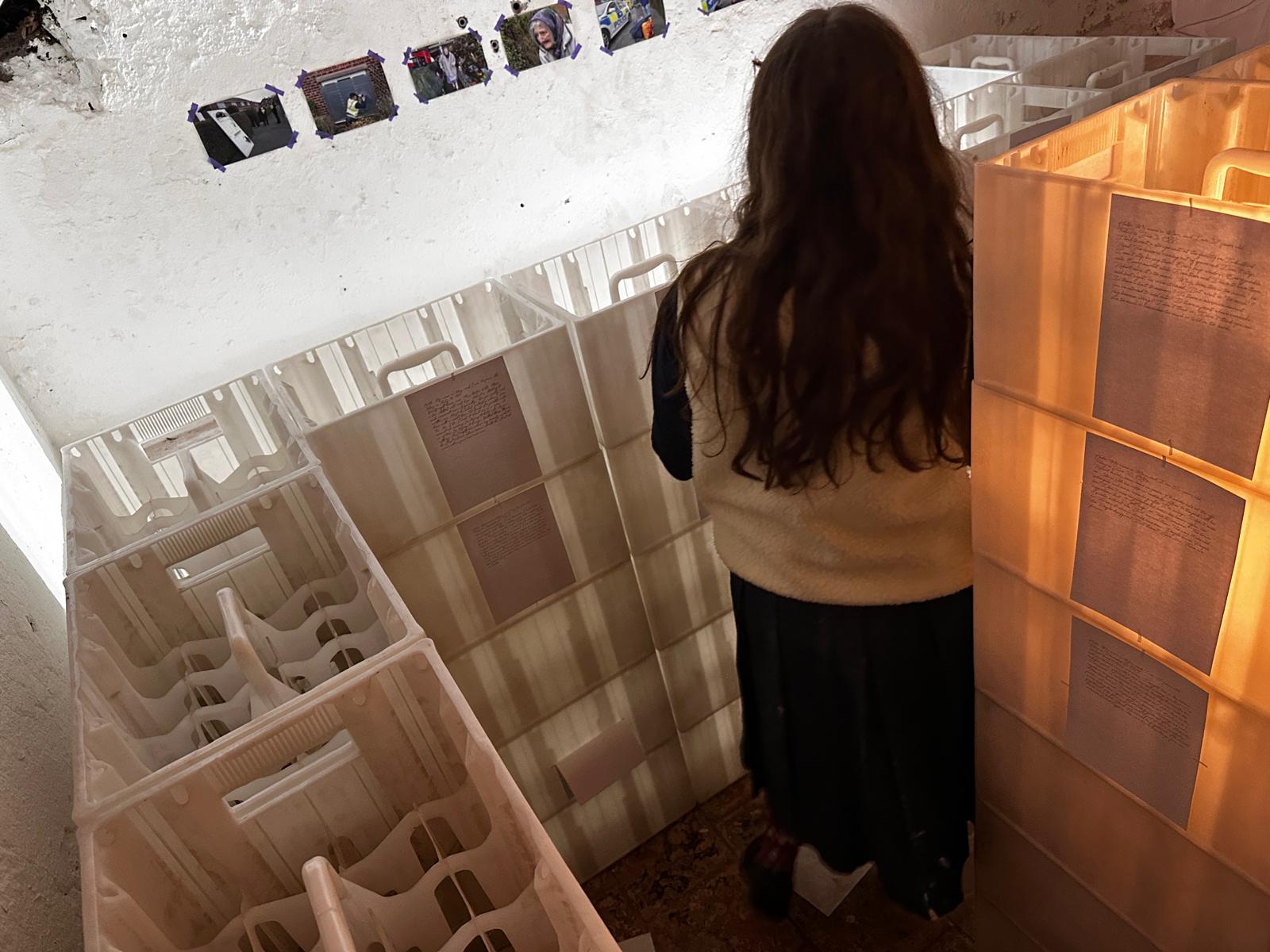
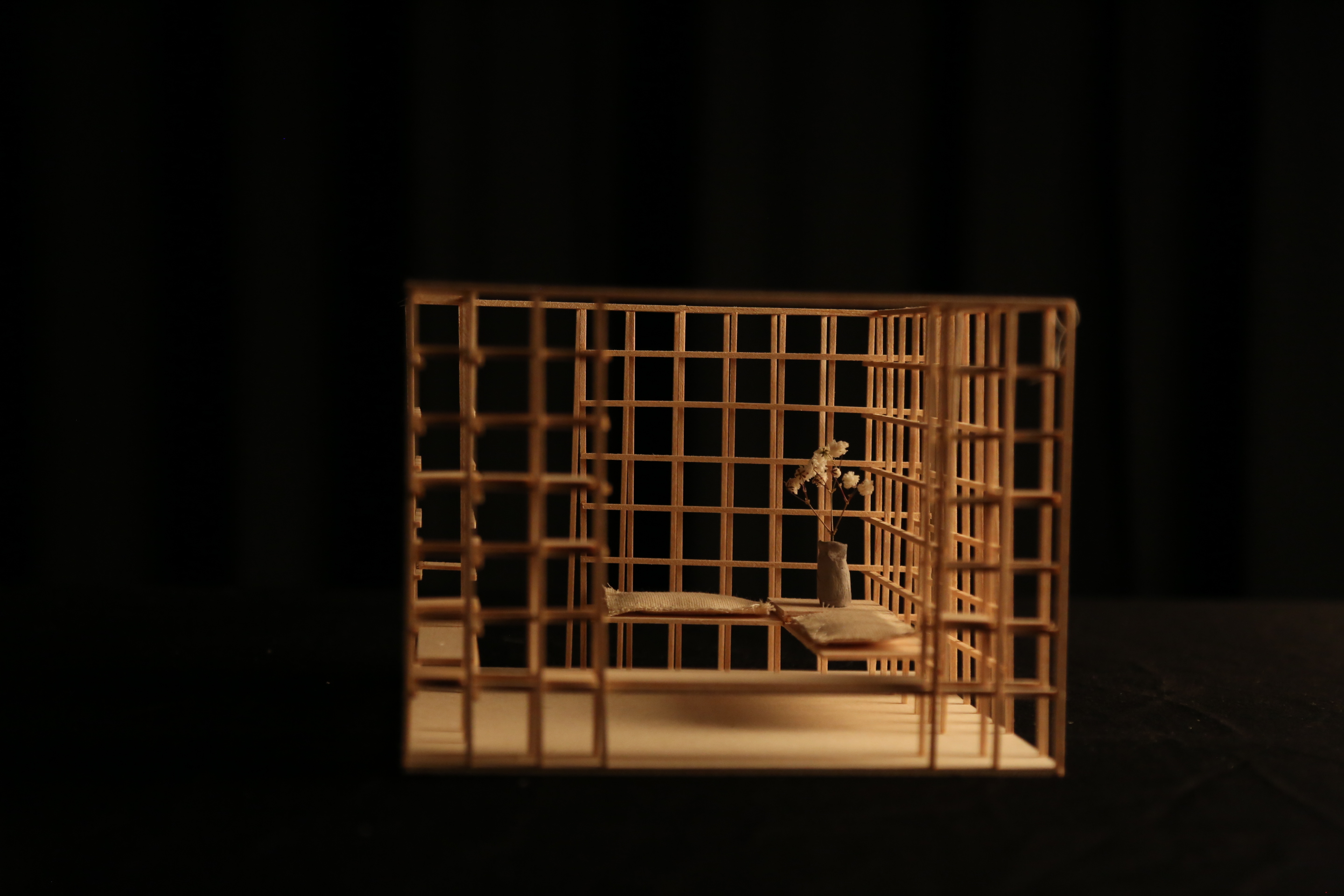
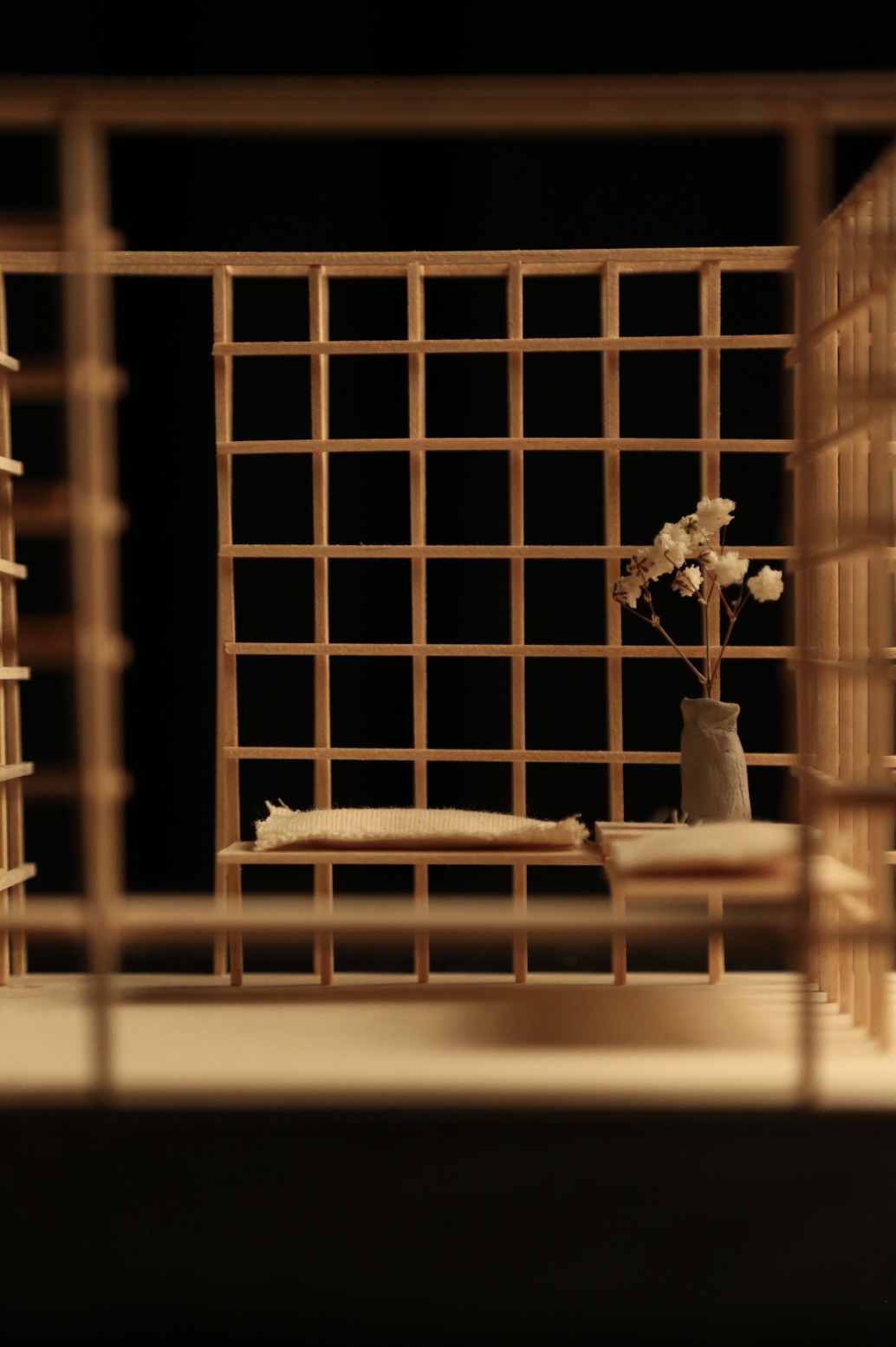
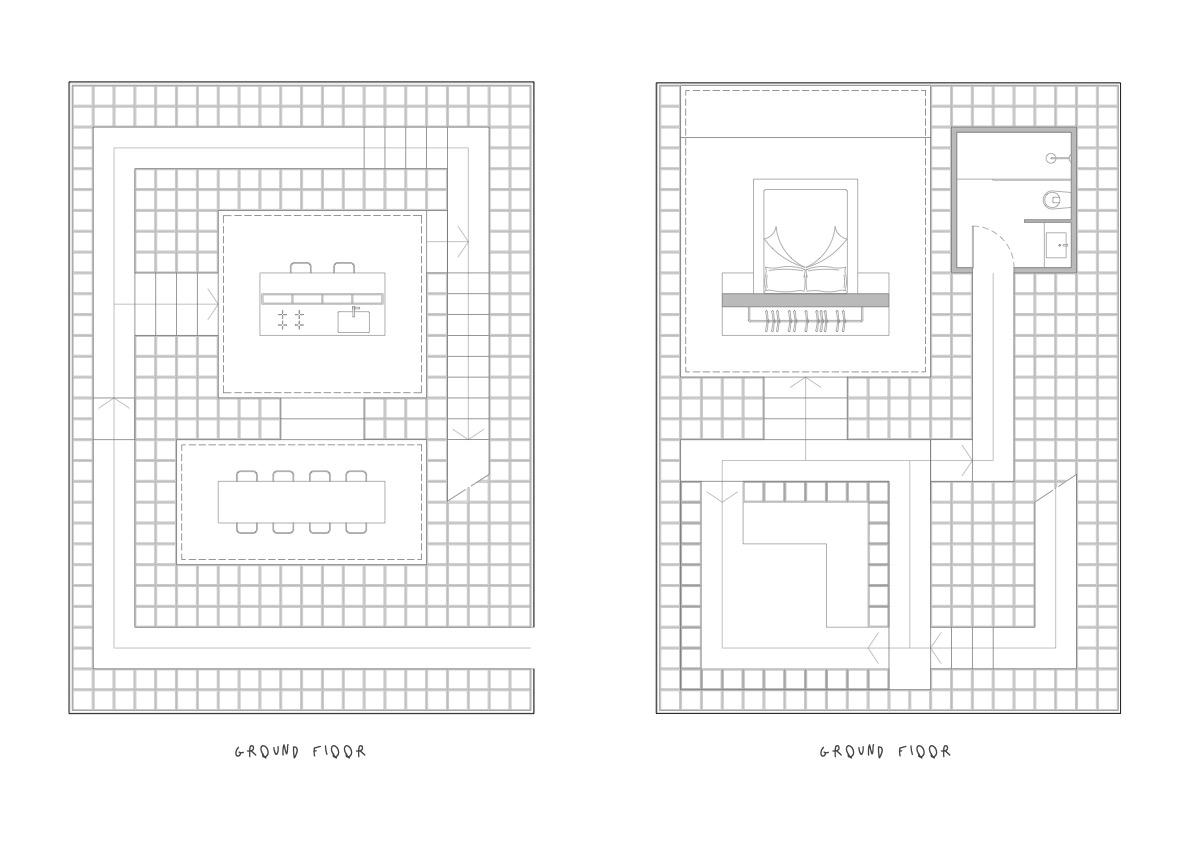
This project does not claim to cure hoarding disorder, but offers a spatial condition where memory, identity, and everyday life can coexist with dignity. From the analysis of May's house, it emerges how objects create boundaries, communicate, and relate to her. How memory builds a second wall of protection, of reassurance. In the project, the concrete walls are knocked down to make room for memory. There are no longer traditional walls: it is the objects themselves that build the walls and define the space. The house is spread over several levels, connected by stairs and corridors that wind their way through May's objects. The fundamental gesture is walking; walking around the house, traversing one's memories, inhabiting memory as a daily journey.
Every object, every memory has its place. Memory surrounds the house, protects it, builds it.