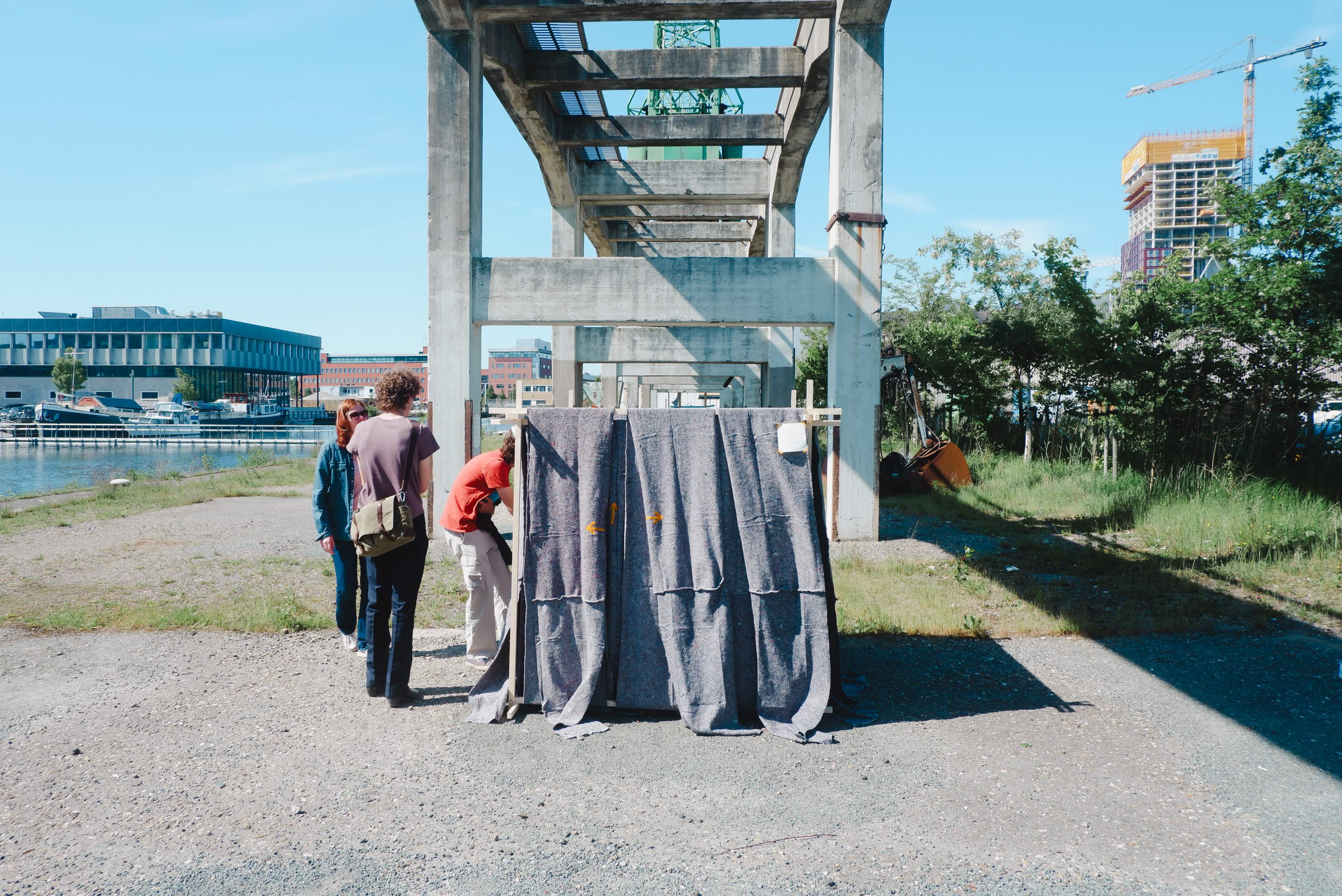
(Re)claiming Silence
by Francesca Rampini
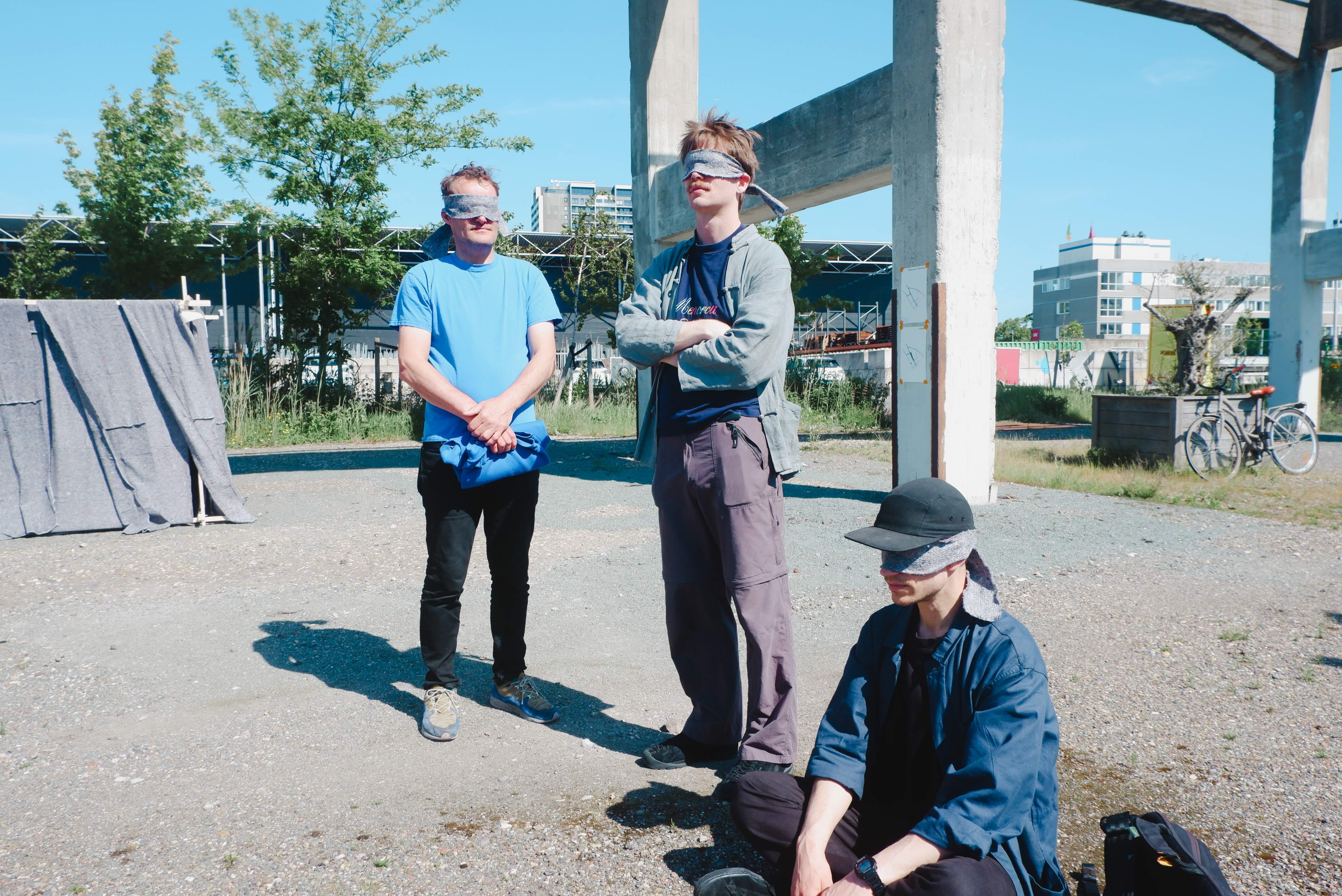
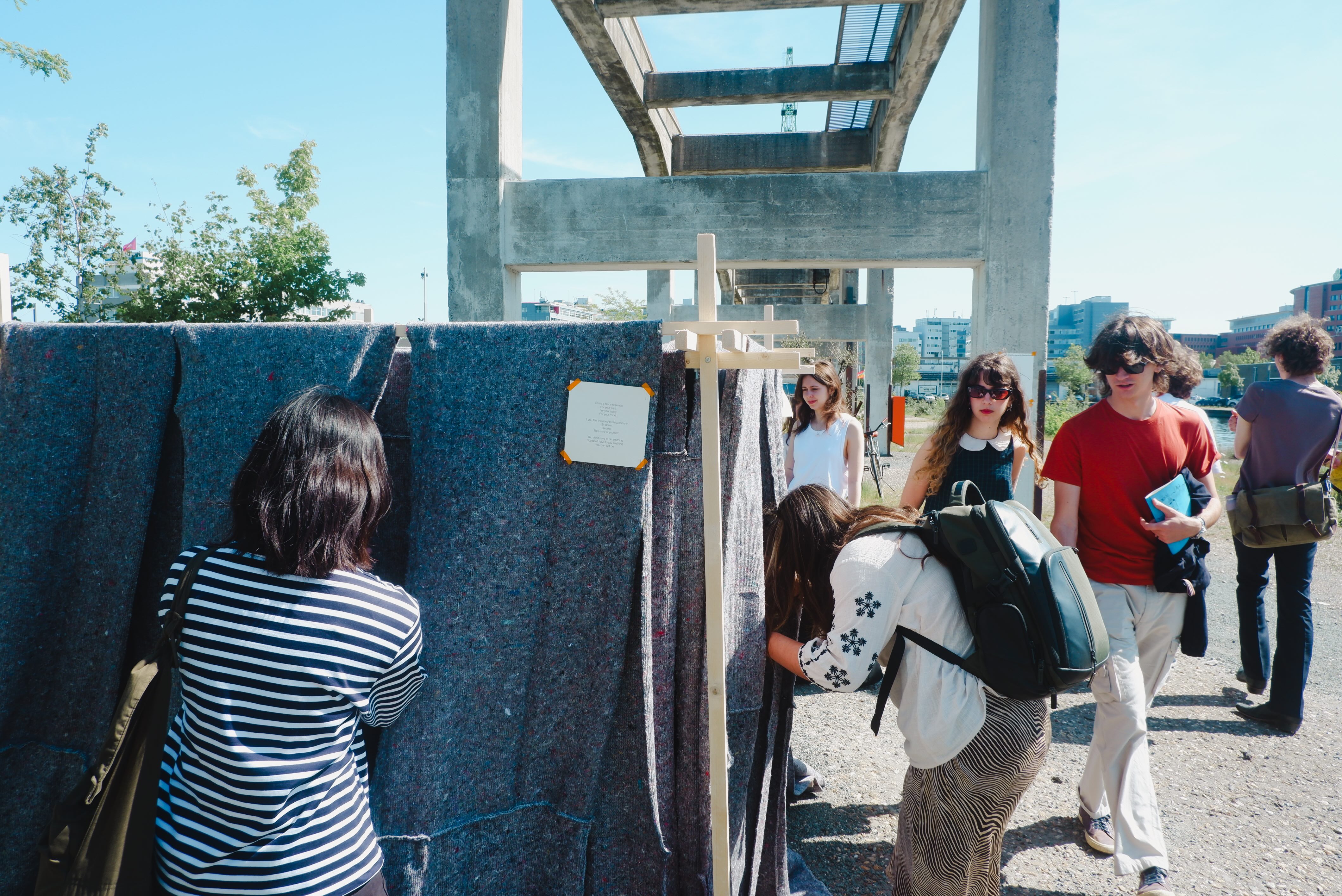
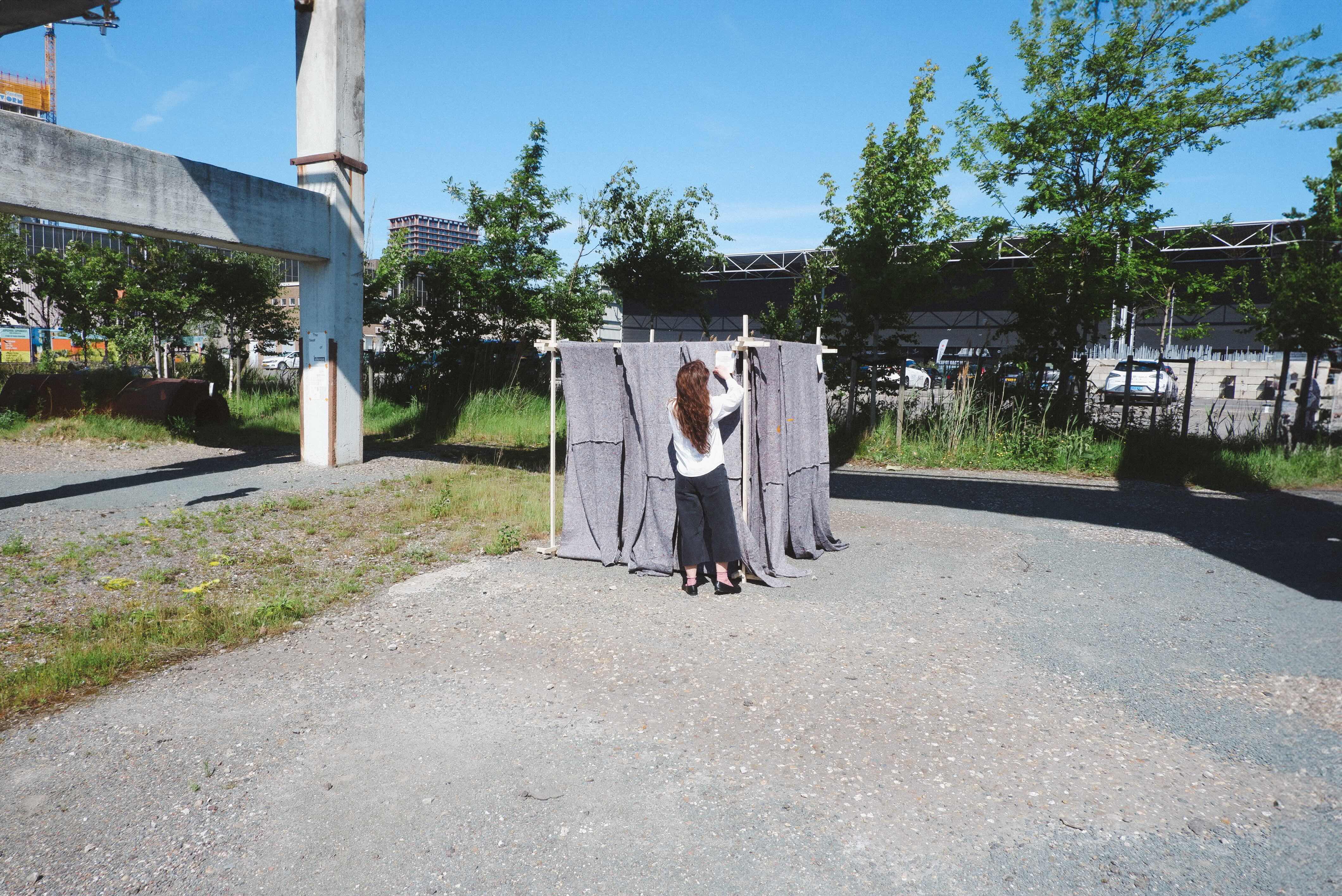
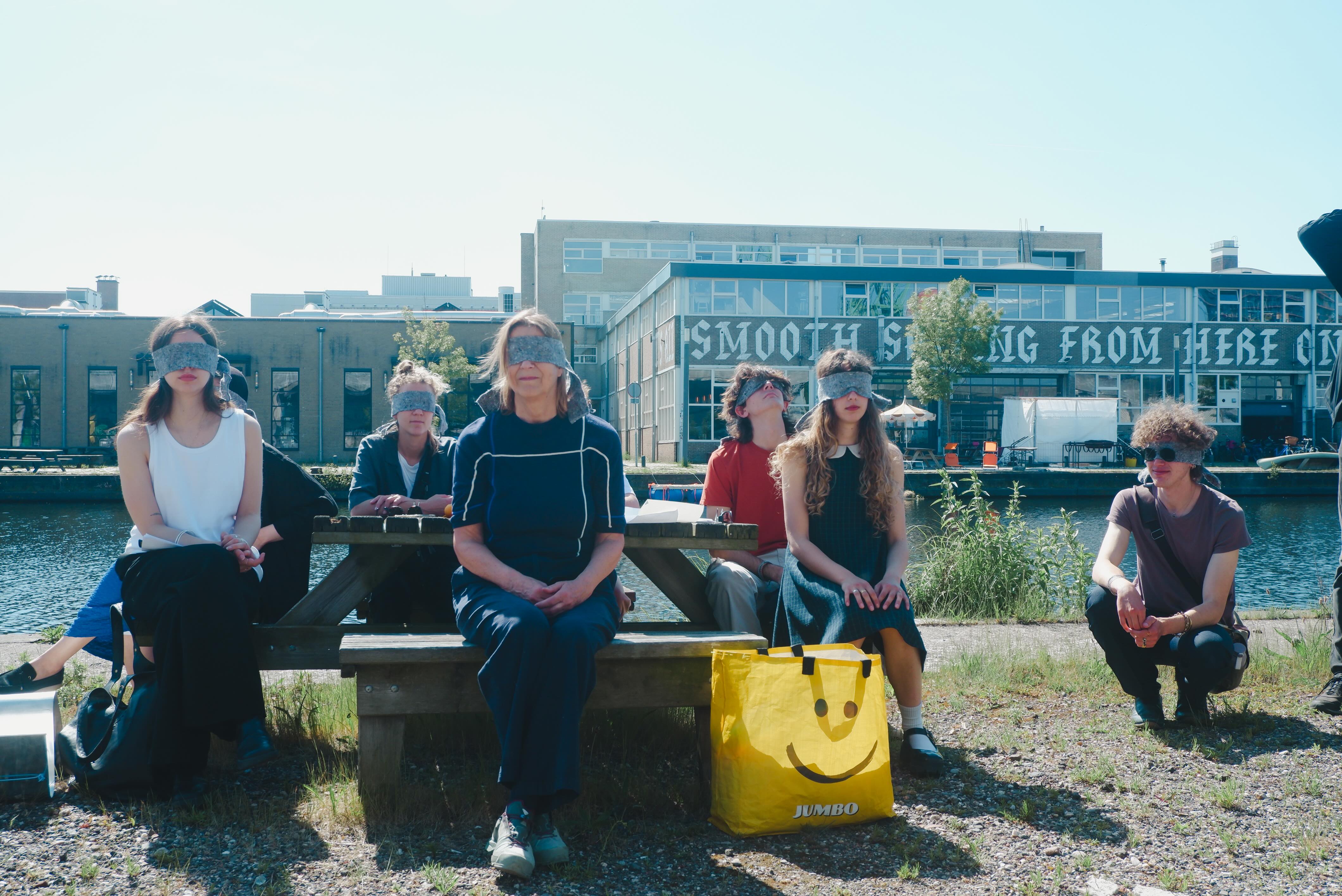
Binckhorst has not known silence since 1907, when the first factory was built on what had once been a landscape of marshes and canals. The sound changed form over the years, from industrial to urban, from manufacturing to construction, but it never left. Today, the neighborhood is in the midst of a 25-year transformation, and noise has started to invade every corner of it.
The city never stops speaking. The background noises of urban life permeate our daily lives like an incessant and unavoidable presence. And yet, paradoxically, the more it surrounds us, the less we seem to notice it. Not because it has disappeared, but because we have learned to stop hearing it. Our brain, overwhelmed by constant stimulation, filters out every sound around us that is no longer perceived as a warning signal. We stop noticing. We stop complaining. And slowly, without realizing it, we stat to accept it.
But noise is not merely an inconvenience. It is an invisible public health crisis that affects us every day, whether we are aware of it or not.
In this context the project investigates the disappearance of silence from contemporary urban life, from the cities we inhabit every day. It presents silence not only as an acoustic condition, but as a spatial, emotional, and collective right of which we have been structurally deprived. A right we have forgotten we ever had.