Who is building the space?
by Haeun Cho
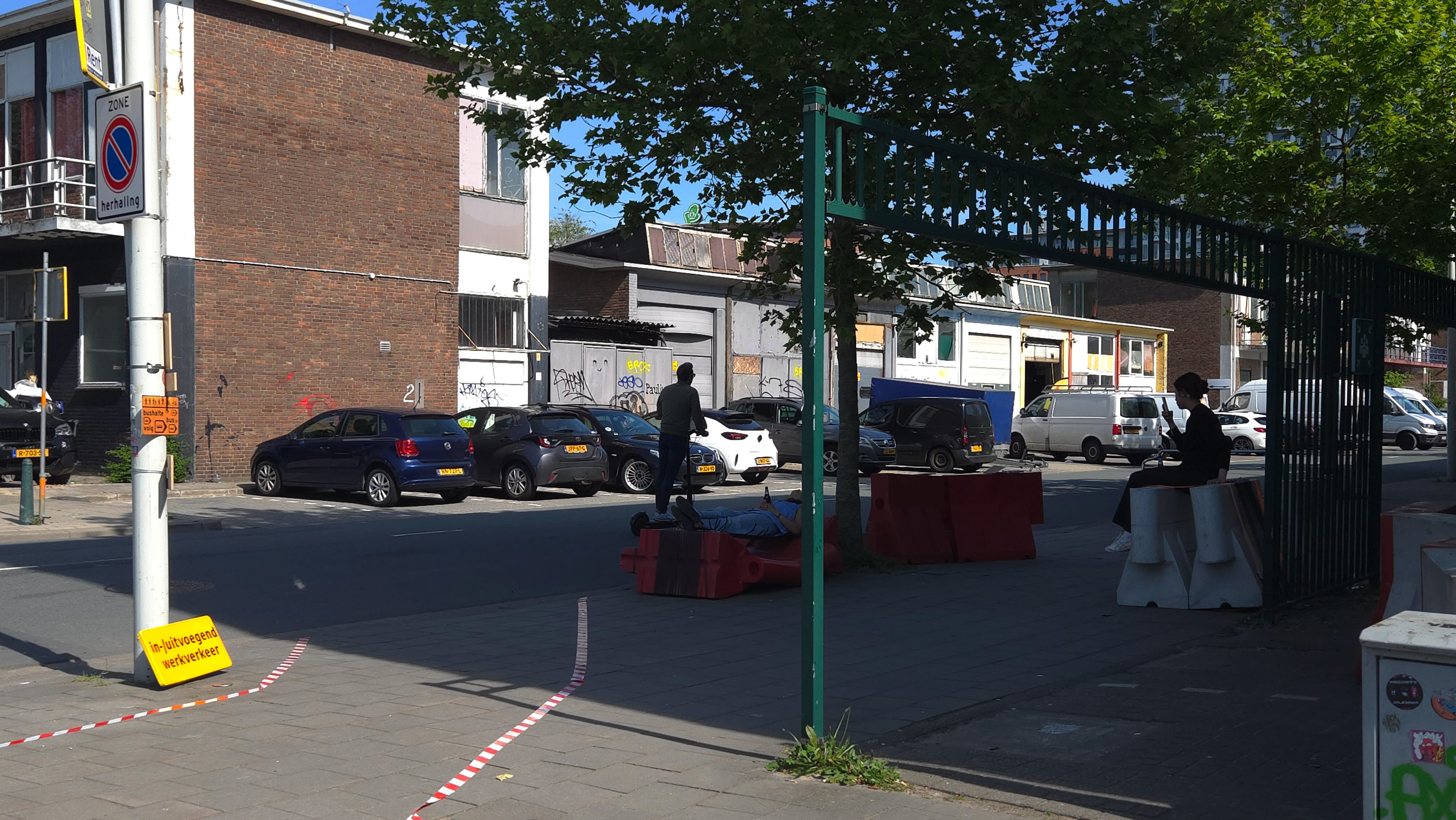
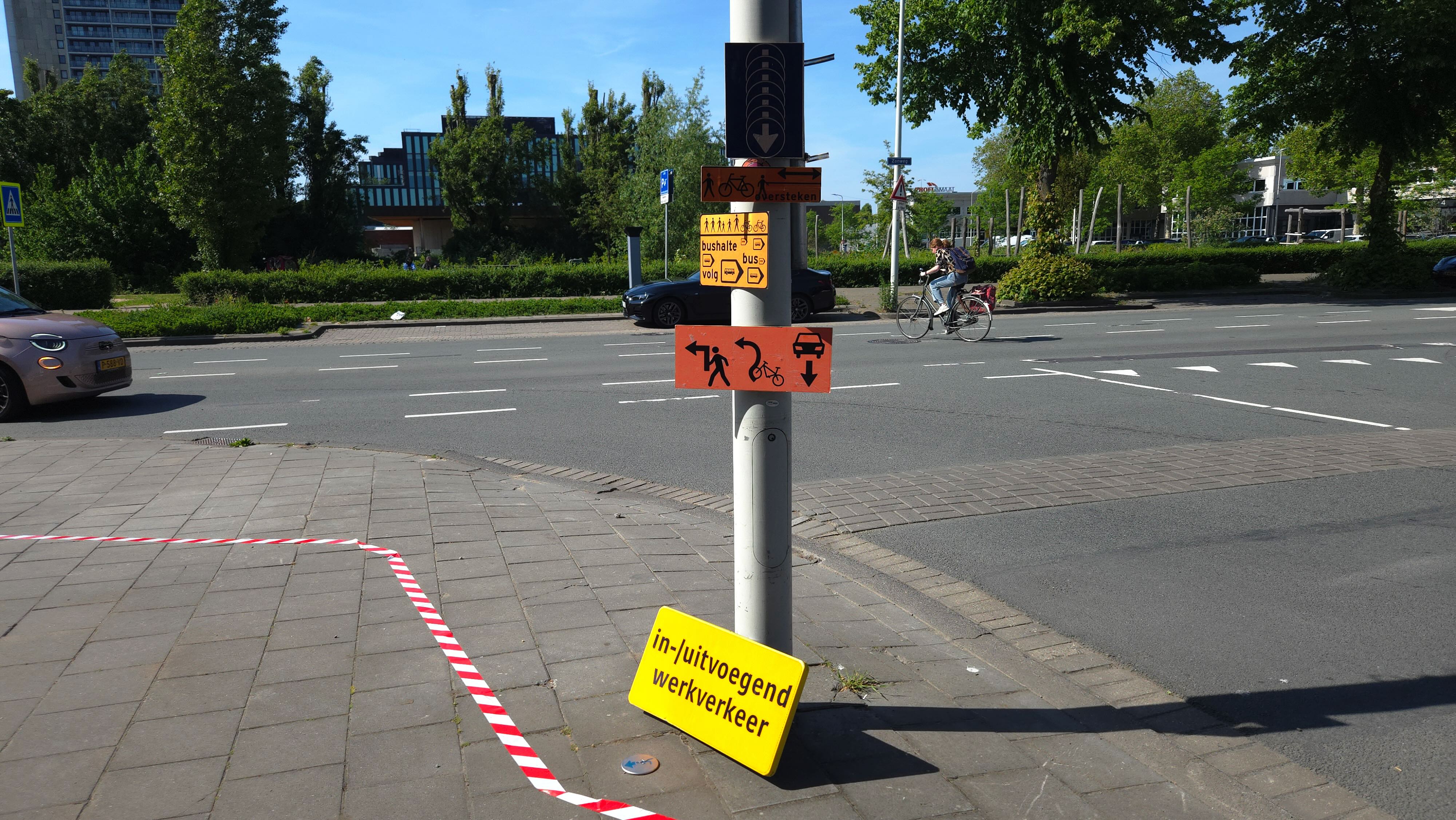
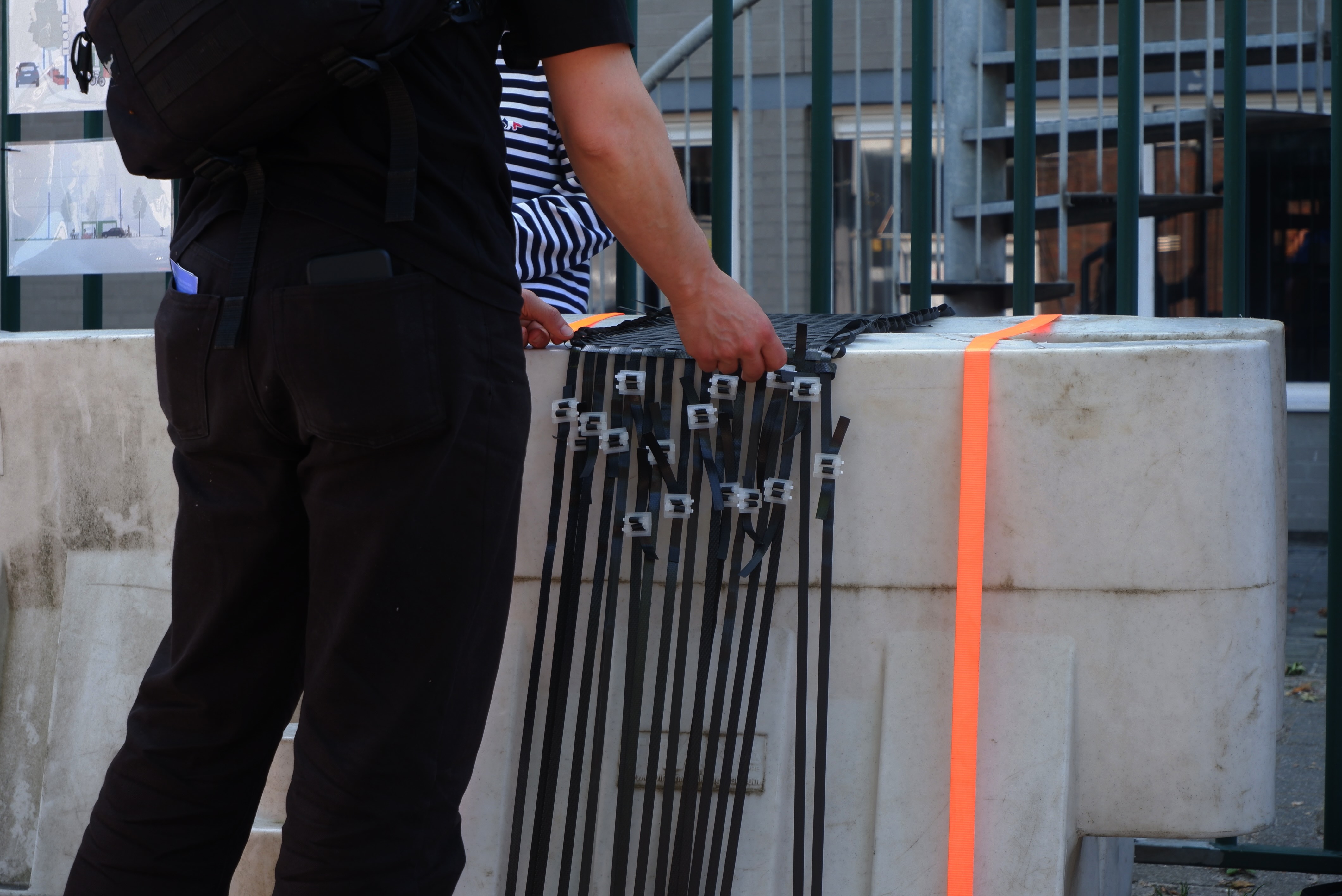
This project investigates the Binckhorst district in The Hague within the context of its ongoing urban redevelopment. It focuses on the spatial and infrastructural conditions that emerge during this transitional phase, particularly the lack of continuity in pedestrian and cycling networks, as well as the fragmented provision of public infrastructure.
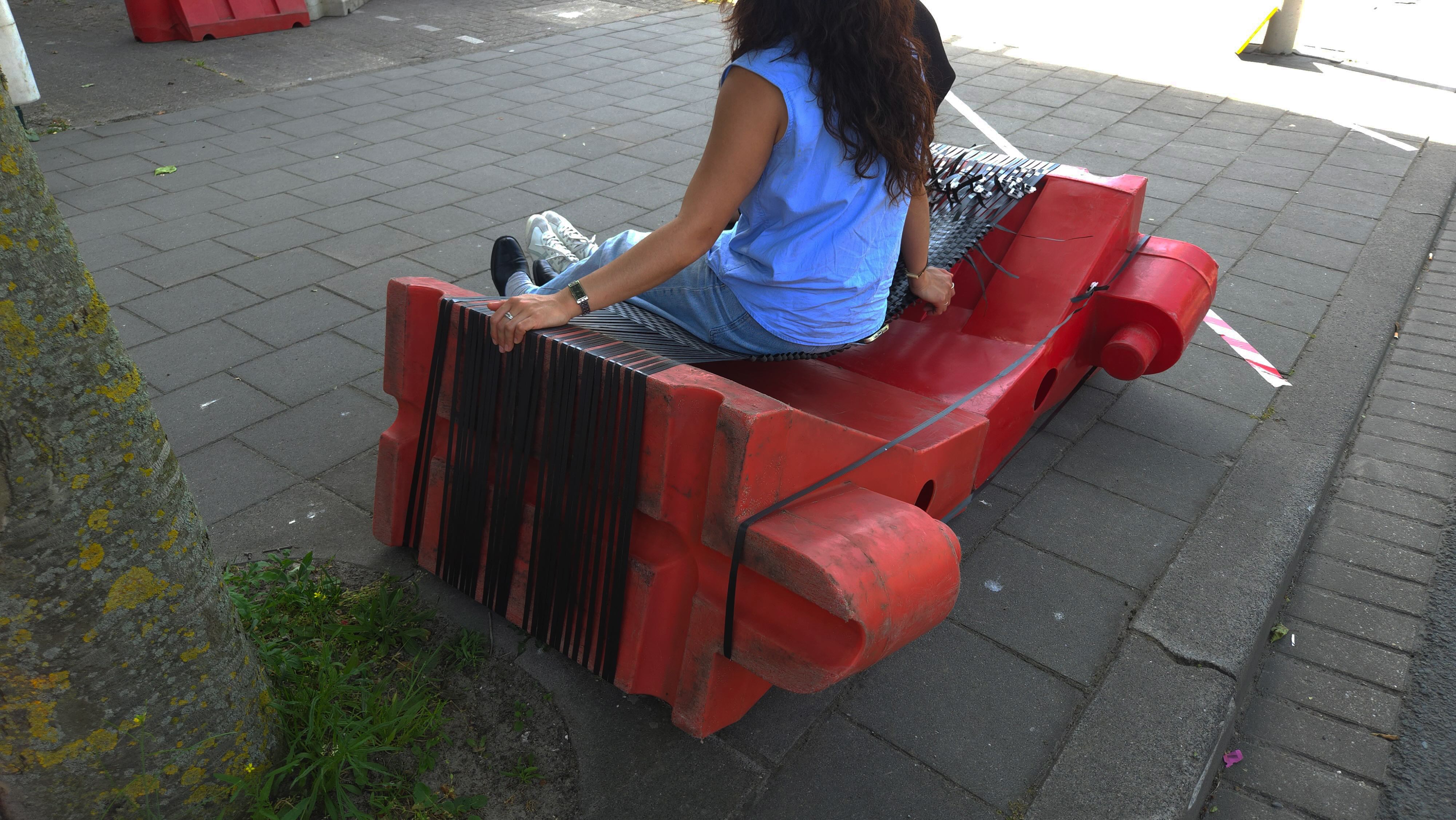
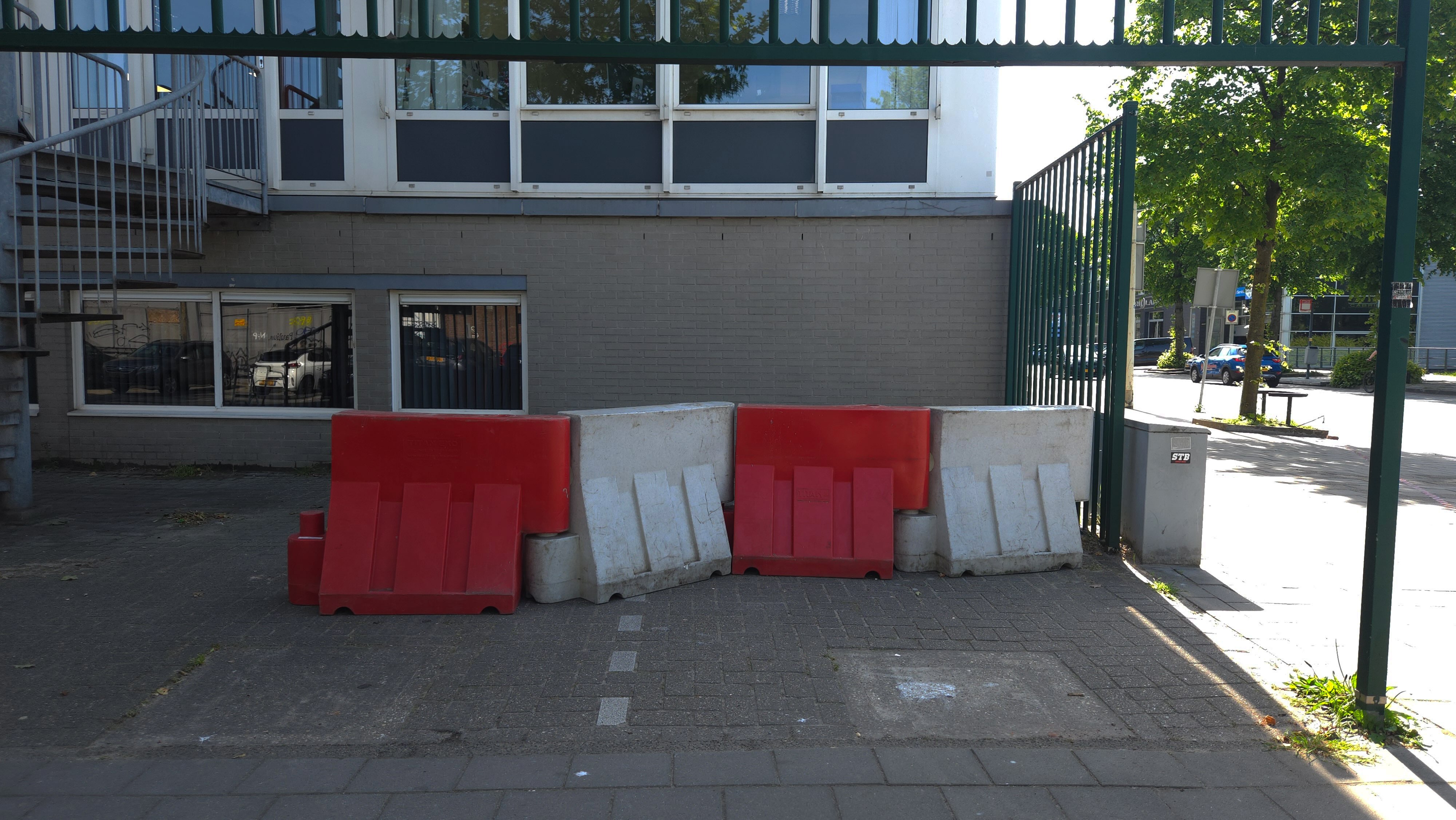
Rather than treating these conditions as purely functional deficiencies, the project understands them as latent opportunities to reconsider how public space can operate within an unfinished urban environment. It examines how everyday movement patterns and informal appropriations of space reveal the potential for new forms of social interaction in contexts of urban change. Haeun draws on the industrial character of Binckhorst and reinterprets existing traffic barriers as key spatial elements. These objects are reconfigured and repositioned to enhance pedestrian and cycling connectivity, while reducing conflicts between different modes of movement along the street.
Through the material transformation of these infrastructural elements, the project proposes a more dynamic and adaptable form of public infrastructure—one that responds to evolving urban conditions while fostering interaction, accessibility, and shared use of space.