Komt Wel Goed: An experiment in momentary space
by Jonah Levin
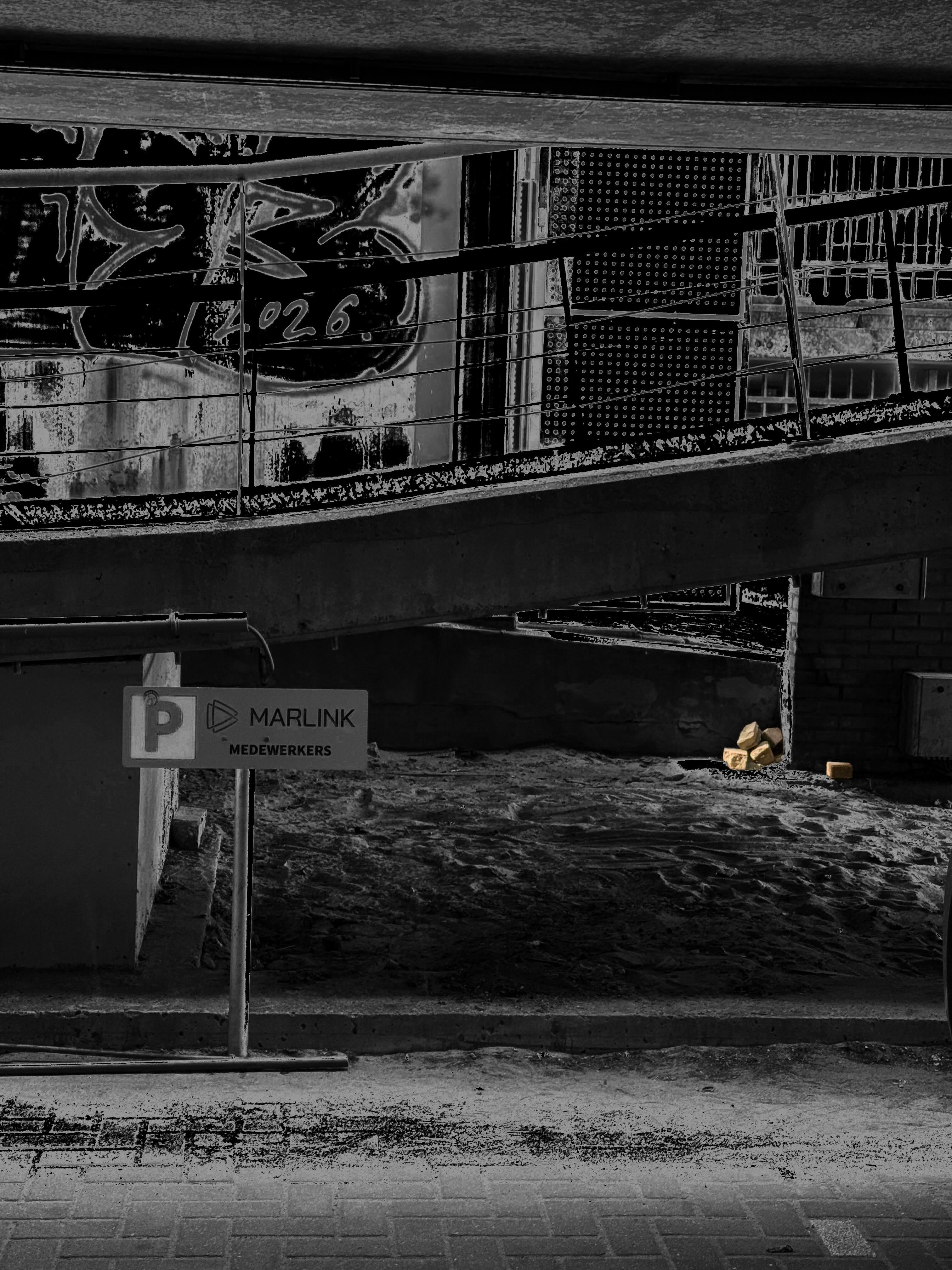
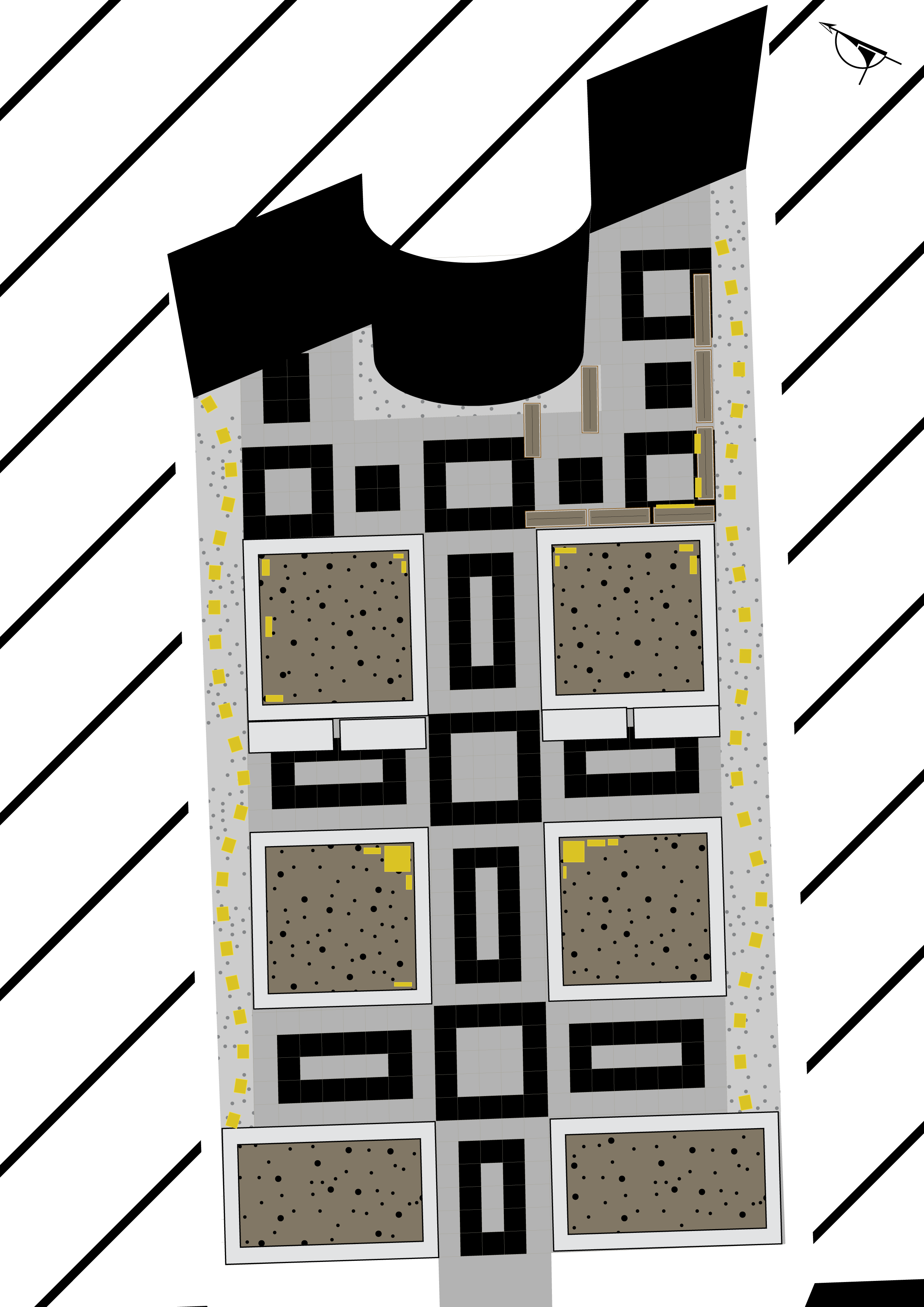
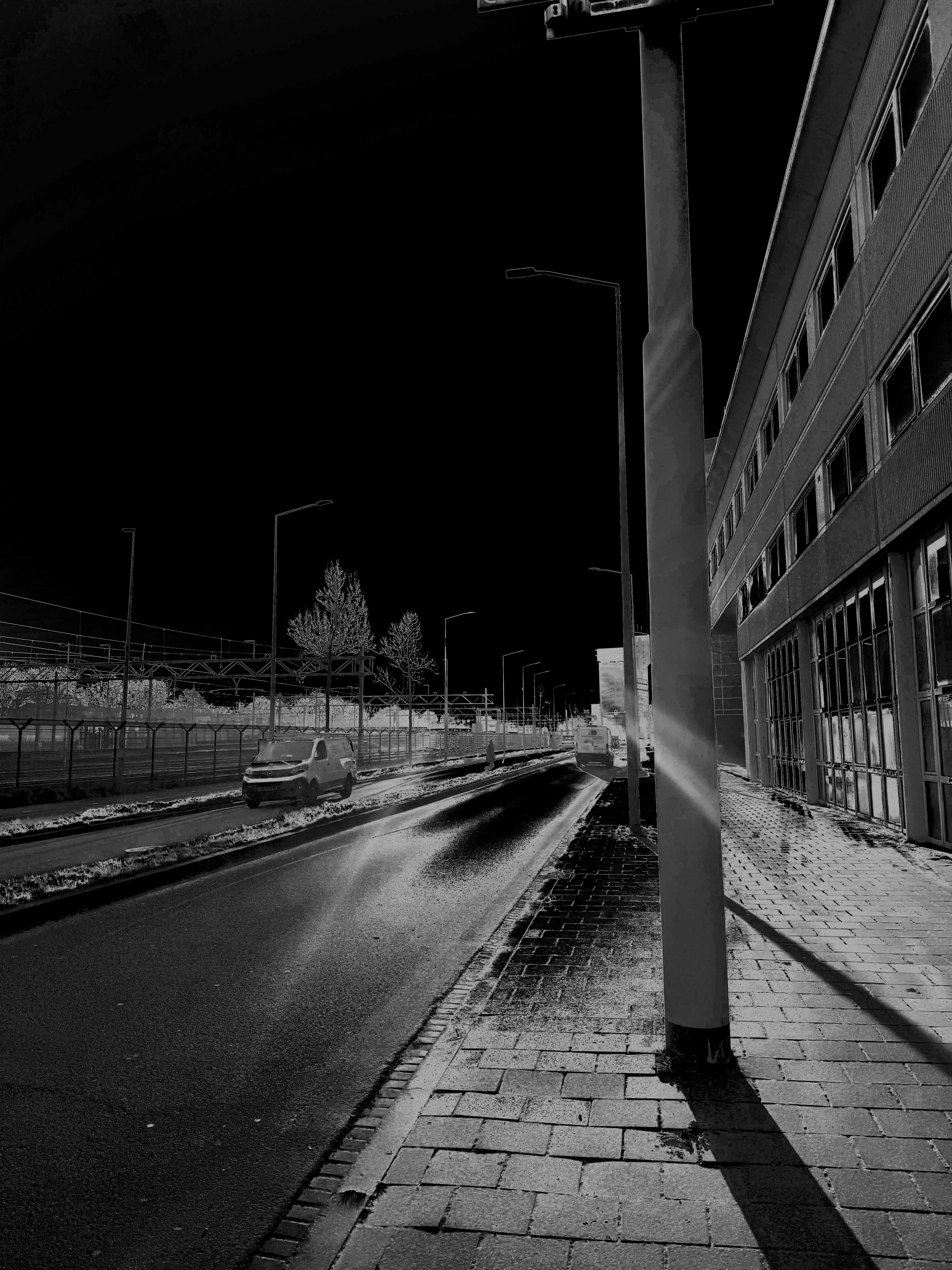
Walking on Regulusweg,
finding an opening,
I walked inside,
feeling immediately surrounded,
and closed off.
There’s liminal darkness
and open reservations.
I go up,
looking behind me,
directed towards uncertainty,
surveilled by mass,
Yet brought inside.
A through road
divided by plateaus.
A given pause,
directed towards uncertainty,
surveilled by mass.
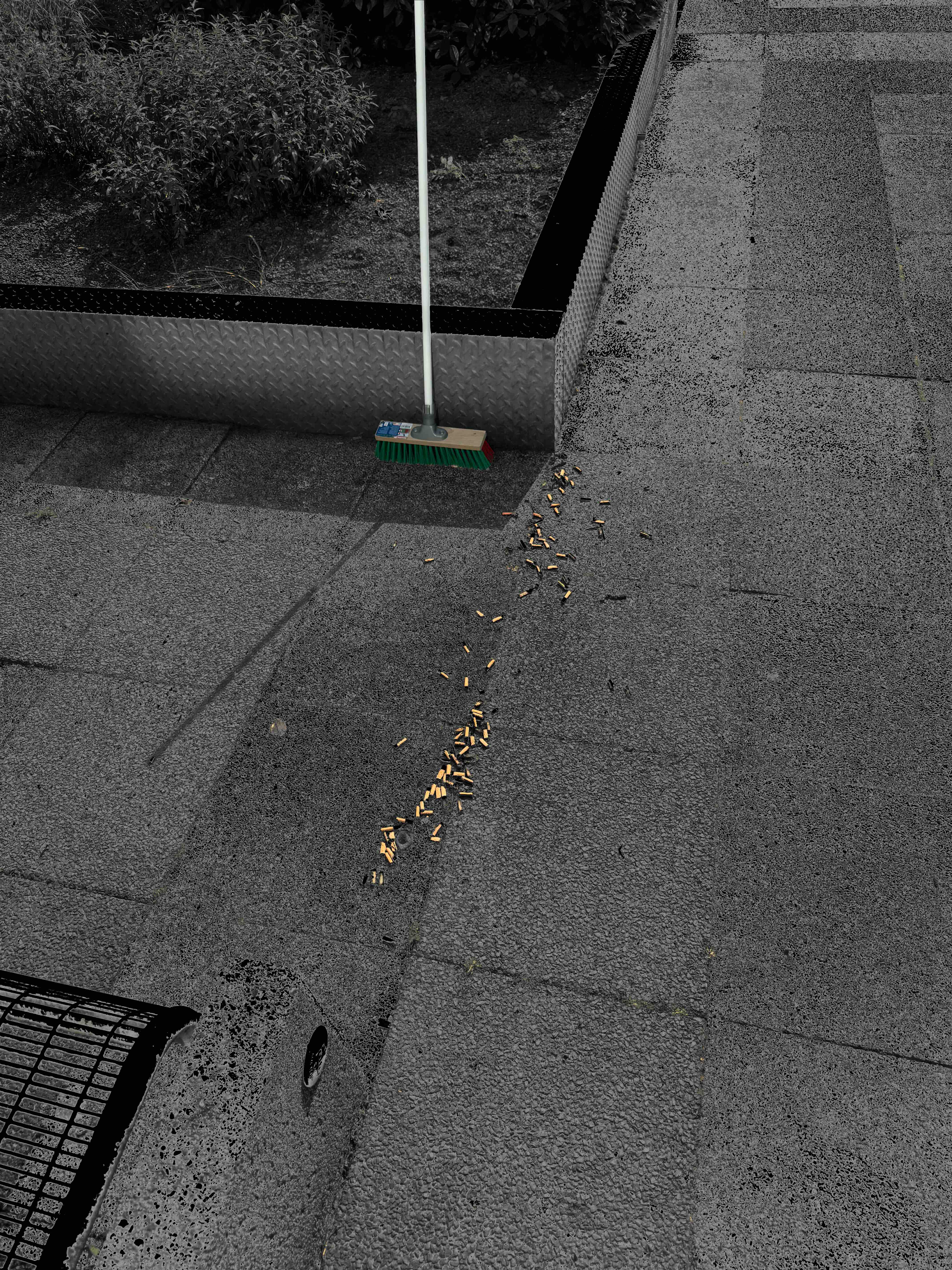
Bordered with carelessness,
the original attempt
and those proceeding
had unfortunately failed.
So why bother?
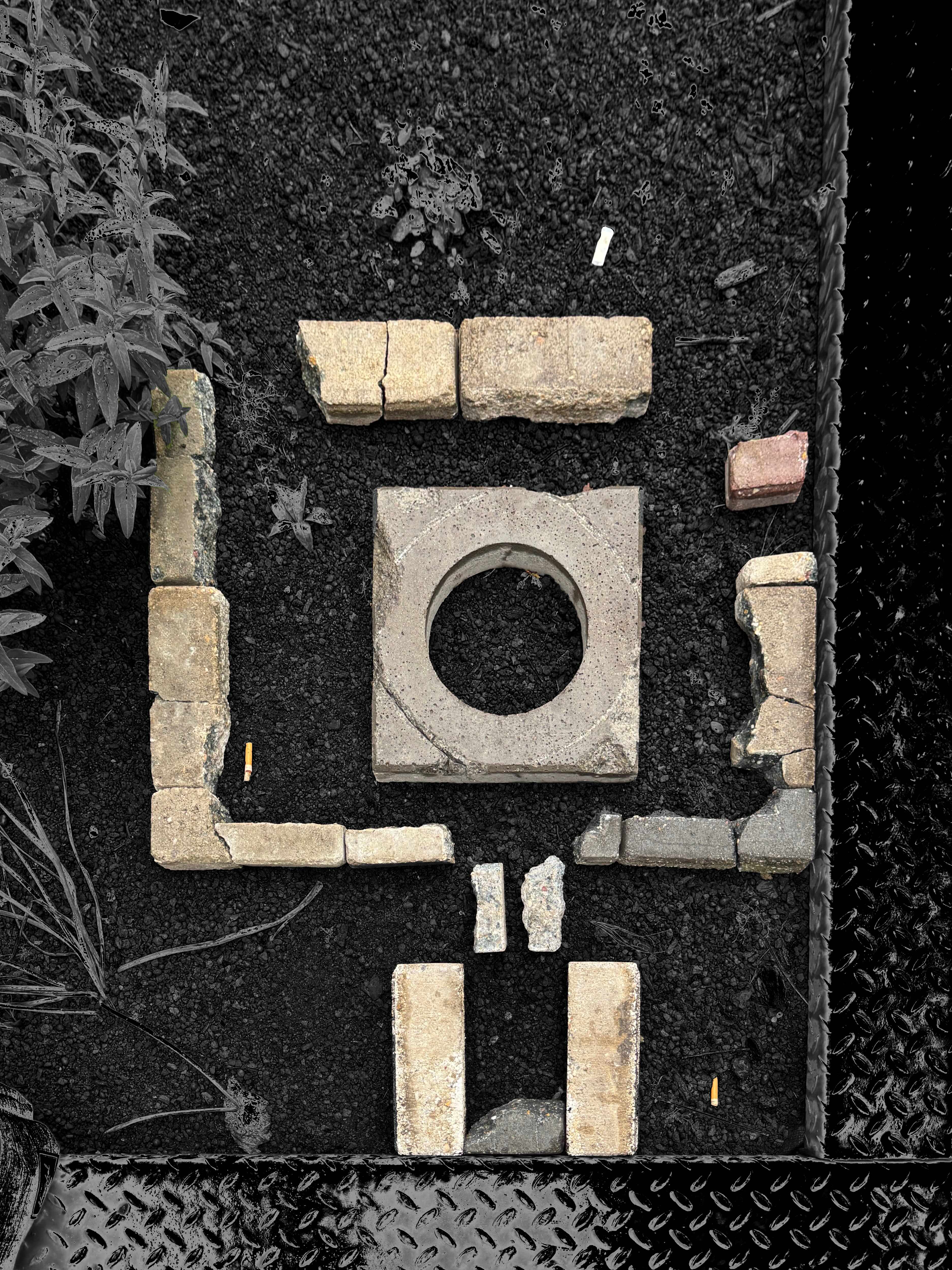
During various explorations of the Binckhorst, I’ve observed that moments of transition (from old to new) and translation (from point a to b) are taken for granted. By focusing on the most accessible common spaces in an urban context (the road), my various Derives opened my eyes to spaces that were objectively accessible yet framed to deter outsiders. To absorb the change and relish the qualities of the urban process, I deconstructed a chosen site (in both a material and theoretical sense) to advocate for taking care of a space simply because it was made to be used. To appreciate what exists, not just to be content with it. Especially when nothing is broken.
Allow me to take you on a tour through Haagse Veste III to ask why there is little to no care in this common space, and how I, as an unsolicited designer, can integrate into an unbothered network of users through material experiments.